
Archaeologists working at Saqqara, the sprawling necropolis of ancient Memphis, have uncovered a mummy encased in gold leaf alongside a dense crowd of statues, coffins, and everyday objects. Described as one of the oldest and most lavishly decorated mummies found in Egypt, the burial has turned a spotlight on how royal ideology filtered down into the tombs of non-royal elites. The statues that surrounded the so‑called “golden mummy” are reshaping how specialists understand the relationship between Egypt’s kings and the people who lived, worked, and were buried in their shadow.
New Saqqara finds that transform an old royal cemetery
Saqqara has long been known as the site of the Step Pyramid of Djoser, but recent excavations have revealed that the plateau held far more than royal monuments. Archaeologists have uncovered clusters of shafts filled with coffins, mummies, and statues that span centuries of Egyptian history, showing that this royal cemetery evolved into a dense burial ground for priests, scribes, and artisans connected to the court. One mission working near the pyramid of King Teti has found dozens of burial shafts packed with coffins, wooden figurines, and painted masks, extending the story of Saqqara well beyond the Old Kingdom kings who first claimed the site.
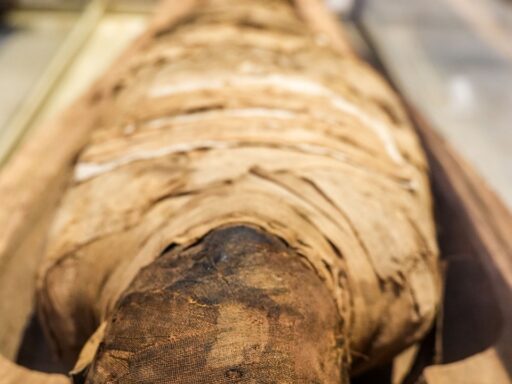
The discovery of what has been described as Egypt’s oldest known mummy wrapped in layers of gold came from one of these deep rock‑cut shafts. The body, identified as a high‑status man, lay in a sealed chamber that had remained untouched since antiquity. Around the coffin, archaeologists documented a tight assemblage of statues representing gods, officials, and protective figures, along with amulets and cosmetic containers. Reports on the find emphasize that the gold‑covered mummy was not a king, yet his burial drew heavily on royal symbolism, from the gilded casing to the array of divine images clustered nearby.
Earlier work at Saqqara had already revealed that this area functioned as a kind of sacred suburb of Memphis, where temple personnel and royal administrators sought burial near the monuments of kings. Excavations have brought to light tombs decorated with scenes of daily life, carved lists of titles, and statues of the deceased in poses that echo royal portraiture. As archaeologists have traced the stratigraphy of these tombs, they have seen how later generations cut new shafts among older monuments, effectively weaving new stories of status and piety into an already crowded royal landscape.
Researchers argue that the concentration of statues in these non‑royal tombs is not accidental. The figures were arranged to form miniature courts of gods and humans, with the deceased placed at the center. In the case of the gold mummy, the statues appear to have been selected to echo the royal cult practiced at nearby pyramids, suggesting that the dead man and his family saw themselves as participants in a broader system of kingship and divine order anchored at Saqqara.
How statues around the gold mummy reveal power shared and borrowed
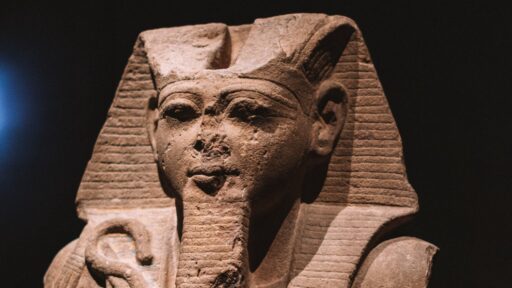
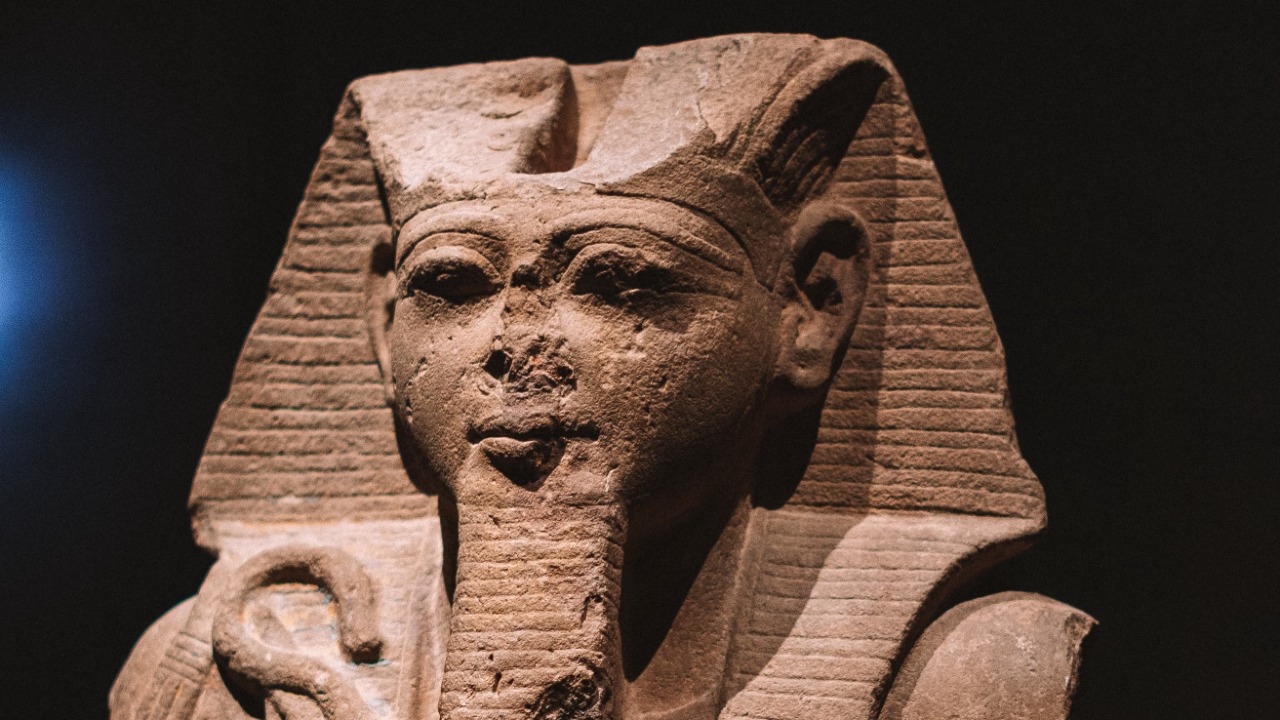
The statues buried with the gold‑covered mummy are part of a wider pattern at Saqqara, where non‑royal tombs contain elaborate wooden and stone figures that mirror royal iconography. Excavations have produced statuettes of Ptah‑Sokar‑Osiris, falcon‑headed Horus, and other deities central to royal funerary cults, placed alongside images of the tomb owners themselves in stiff, frontal poses. In some tombs, statues of scribes and servants appear ready to carry out tasks for the dead, echoing the way royal burials were staffed with images of officials and workers.
Accounts of the new discoveries stress that many of these statues were found in situ, standing in niches or arranged in groups that suggest choreographed rituals rather than random deposition. Around the gold mummy, the clustering of divine figures near the head and feet of the coffin hints at a carefully planned program of protection and royal association. The use of gold leaf on the mummy’s wrappings further aligns the deceased with the solar aspects of kingship, since Egyptian texts describe the flesh of the gods, and by extension the king, as golden.
At the same time, the tombs at Saqqara preserve evidence of individuals who were not members of the royal family but still held powerful positions in the state. Inscriptions identify priests of pyramid temples, overseers of scribes, and officials responsible for royal estates. Many of these people commissioned statues that show them in intimate proximity to kings or gods, sometimes inscribed with prayers that the king will grant them offerings. The statues around the gold mummy fit into this pattern of aspirational proximity, in which non‑royal elites used images to claim a share of royal privilege in death.
Detailed reporting on the Saqqara excavations has highlighted how the necropolis functioned as a social as well as a religious space. Tombs were built along processional routes that connected the pyramid complexes and the city of Memphis, so statues placed in chapels or courtyards would have been visible to priests and visitors. By replicating royal motifs in their statuary, tomb owners effectively broadcast their loyalty to the king and their participation in state rituals. The gold mummy’s burial, with its dense ring of statues, can be read as an intensified version of this strategy, one that fused personal piety with a visual claim to royal favor.
Archaeologists working inside the tombs of Saqqara have described how these statues also preserve traces of paint and gilding that suggest a vivid original appearance. The combination of bright pigments, polished stone, and gold leaf would have created a powerful sensory environment for funerary rites. In that setting, the line between royal and non‑royal representation blurred, as priests recited prayers that invoked both the king and the gods on behalf of individuals like the man wrapped in gold. The statues thus acted as intermediaries, binding the authority of the king to the hopes of those who served him.
Why the Saqqara statues and gold mummy matter for Egypt and the world now
For Egypt, the discoveries at Saqqara carry both scientific and political weight. Officials have promoted the finds as evidence of the country’s deep cultural heritage and as a draw for tourism, which remains a major source of revenue. The image of a mummy encased in gold, surrounded by statues and colorful coffins, has circulated widely and helped frame Saqqara as a counterpart to the Valley of the Kings. Archaeologists working at the site say the scale of the necropolis and the density of recent finds are rewriting assumptions about who could access royal iconography and burial spaces.
Scholars of ancient religion see the statues around the gold mummy as a key data set for understanding how royal cults were localized. The presence of specific deities and the arrangement of figures in the tomb provide clues about which aspects of kingship mattered most to non‑royal elites. Some statues emphasize Osiris and the promise of resurrection, while others highlight solar gods linked to the king’s daily journey across the sky. By mapping these choices across multiple tombs, researchers can trace how people at different levels of society engaged with the ideology of kingship over time.
The Saqqara material also feeds into debates about cultural heritage and museum collections. Many of the statues now emerging from the ground resemble pieces that entered European and North American collections in the nineteenth and twentieth centuries without clear provenance. As archaeologists document intact contexts like the gold mummy’s burial, they provide comparative data that can help identify orphaned statues and understand how they originally functioned. This work has implications for restitution discussions, since a clearer sense of context strengthens claims about where particular objects belong.