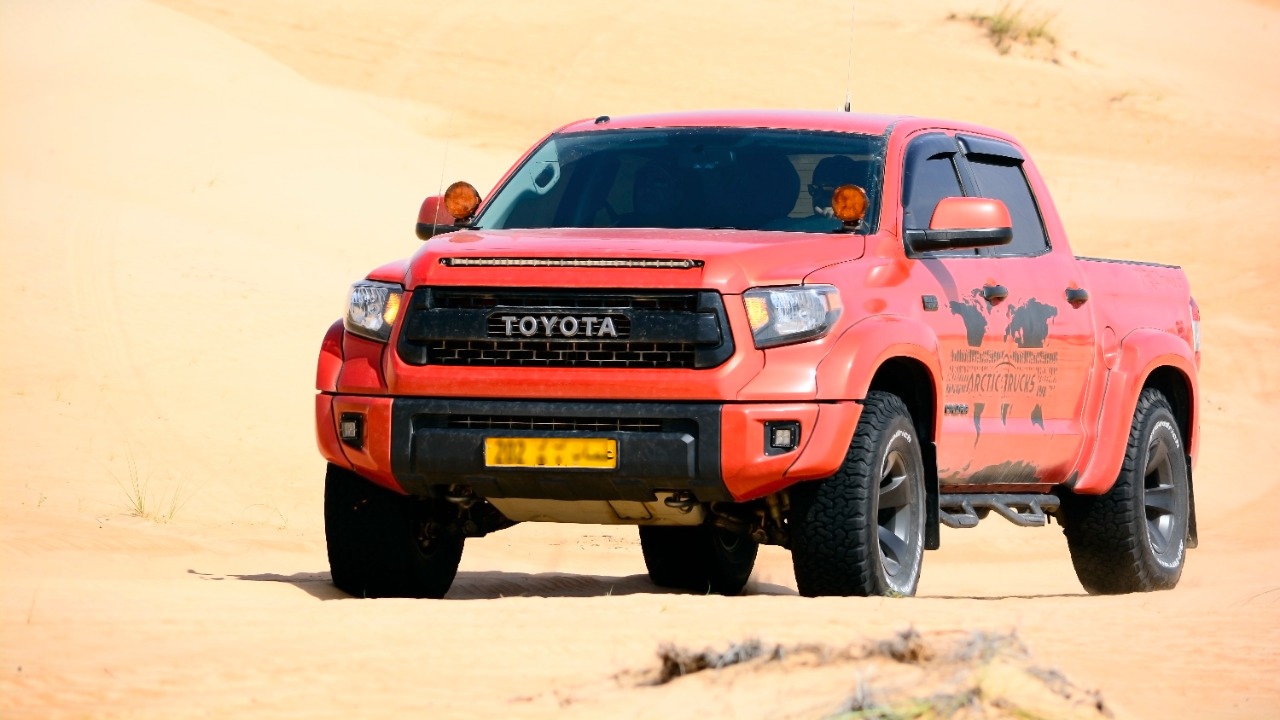

Buying a pickup truck is not only about horsepower, towing numbers, touchscreen size, or how aggressive the grille looks. For many truck owners, the real question is much simpler: will this thing last?
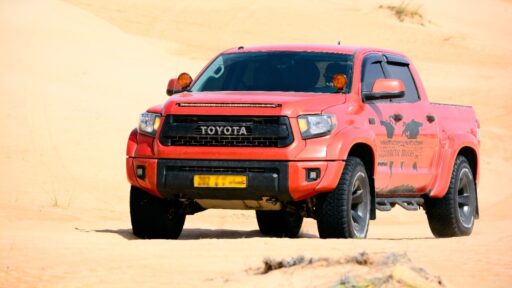
That is where the Toyota Tundra continues to stand out. A major vehicle longevity study found that the Toyota Tundra is one of the vehicles most likely to reach 250,000 miles, and it ranked especially high among pickup trucks. For buyers who want a truck they can keep for the long haul, that kind of reputation matters.
According to an iSeeCars longevity study, Toyota dominated the list of vehicles most likely to hit 250,000 miles. The study analyzed millions of vehicles and estimated how likely different models were to reach a quarter-million miles. In earlier reporting on the same research trend, Car and Driver noted that the Toyota Tundra had a 36.6% chance of reaching 250,000 miles, making it the top-ranked model in that analysis.
For truck buyers, that number is powerful. A pickup that can survive 250,000 miles is not just a vehicle. It becomes a work partner, family hauler, road-trip machine, weekend tool, and long-term investment.
Why 250,000 Miles Matters
A quarter-million miles is a serious benchmark. Many vehicles can reach 100,000 miles with normal maintenance. Plenty can reach 150,000 miles if treated well. But 250,000 miles is different. At that point, a vehicle has lived through years of heat, cold, traffic, highway miles, hauling, stop-and-go driving, engine wear, suspension stress, and ownership changes.
For pickup trucks, the challenge is even harder. Trucks are often used more aggressively than regular cars. They tow trailers, haul heavy loads, drive on job sites, travel over rough roads, and spend time in harsh weather. A pickup that reaches 250,000 miles has usually proven more than basic reliability. It has proven durability.
The National Highway Traffic Safety Administration emphasizes that regular vehicle maintenance plays a major role in safety and long-term performance. That point is important because even the most reliable truck still needs oil changes, fluid service, tires, brakes, filters, inspections, and timely repairs.
The Tundra’s high ranking does not mean owners can ignore maintenance. It means the truck has a strong track record when owners take care of it properly.
Why the Toyota Tundra Has a Long-Life Reputation
The Toyota Tundra has built its reputation slowly. It has never always been the flashiest pickup. It has not always had the highest towing number or the most luxurious cabin in the segment. But it has consistently been known for strong build quality, dependable powertrains, and long-term ownership satisfaction.
Toyota’s broader reputation for reliability helps too. The brand has spent decades building vehicles that owners often keep for a long time. Models like the Land Cruiser, 4Runner, Tacoma, Sequoia, Camry, and Corolla have all contributed to Toyota’s image as a durability-focused automaker.
The Tundra benefits from that same engineering culture. Older Tundras, especially those with Toyota’s V8 engines, are often praised by owners for surviving high mileage with fewer major problems than some competitors. Many truck fans point to the Tundra as a vehicle that may not chase every trend but often delivers where it counts: starting every morning and lasting year after year.
Toyota’s own Tundra model page shows how the truck has evolved into a more powerful, technology-heavy, and modern full-size pickup. But its core appeal remains tied to durability and trust.
A Truck Built for Owners Who Keep Vehicles
Some buyers trade trucks every few years. Others buy a truck and plan to keep it for a decade or more. The Tundra is especially attractive to the second group.
A long-lasting truck can reduce the total cost of ownership. Even if the purchase price is higher, a truck that stays useful for many years may deliver better long-term value. Owners may avoid frequent replacement costs, reduce depreciation pain, and get more usable life from the vehicle.
This is also why high-mileage reputation matters in the used market. A used Tundra with 120,000 miles may still attract buyers because many people believe it has plenty of life left. That confidence can support resale value and make the truck easier to sell later.
The Kelley Blue Book tracks pricing, reviews, and ownership information for the Toyota Tundra, and resale strength has long been part of Toyota’s appeal. When buyers believe a truck can last, they are often willing to pay more for it used.
Reliability Is Not Just About the Engine
When people talk about a truck reaching 250,000 miles, they often focus on the engine. The engine is important, but long-term durability is bigger than that.
A truck must also have a strong transmission, cooling system, suspension, frame, electrical system, steering components, and interior hardware. Small failures can add up over time. A truck may technically run at 250,000 miles, but if it constantly needs repairs, owners may give up before reaching that point.
The Tundra’s advantage has often been its ability to feel solid over time. Owners commonly value the truck because it can handle daily use without feeling fragile. That matters for people who depend on their truck for work, family, and travel.
However, no truck is perfect. Newer Tundra models have had recalls and reliability questions, including engine-related concerns affecting certain newer Toyota and Lexus models. Reuters reported that Toyota recalled more than 100,000 U.S. vehicles over a potential engine stall issue linked to manufacturing debris in certain engines.
That context matters. The Tundra’s long-term reputation is strong, but buyers should still check model years, recalls, service history, and owner reports before buying.
The Old Tundra Reputation Still Carries Weight
A big part of the Tundra’s reputation comes from older generations. The previous V8-powered Tundra became known for being simple, strong, and long-lived. Some owners loved that it did not feel overcomplicated compared with newer turbocharged or tech-heavy trucks.
There is even a famous case of a Toyota Tundra reaching extreme mileage. Toyota documented a customer’s 2007 Tundra that surpassed one million miles, and the company later studied the truck to learn from its durability. Toyota shared the story through its official Toyota USA Newsroom, highlighting how far the truck had traveled on its original engine.
One million miles is not normal, and buyers should not expect every Tundra to do that. But stories like that help explain why the Tundra has such a loyal following. They become proof points for the idea that Toyota can build trucks for the long run.
How the Tundra Compares With Other Pickups
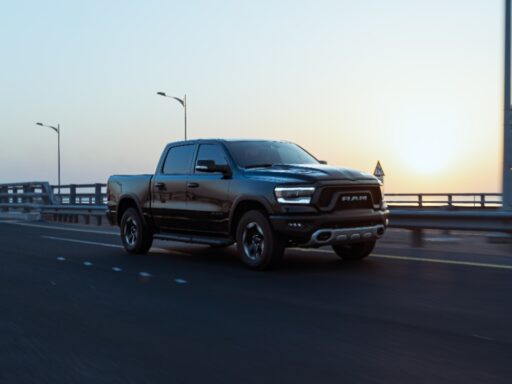
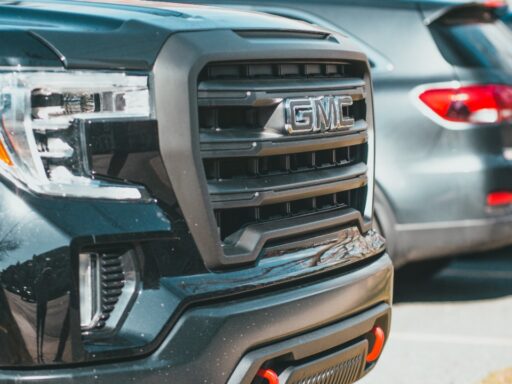
The full-size pickup market is extremely competitive. The Ford F-150 dominates sales. The Chevrolet Silverado and GMC Sierra have huge owner bases. The Ram 1500 is known for comfort and strong engine options. Heavy-duty trucks from Ford, GM, and Ram can also last a very long time when maintained properly.
The Tundra does not always win on sales volume or maximum towing numbers. But longevity studies often show it performing extremely well. That gives it a different kind of strength.
In iSeeCars’ broader 2025 longevity research, the Toyota Sequoia ranked at the top overall, while the Tundra remained one of Toyota’s strongest long-life models. A separate truck-focused list from Work Truck Online showed the Ram 3500 ranking highest among trucks overall, with the Toyota Tundra placing very strongly among pickups and ahead of many popular light-duty competitors.
That distinction is important. Heavy-duty trucks often have different use cases, stronger components, and commercial-duty designs. Among everyday full-size pickups, the Tundra’s long-life reputation remains one of the strongest in the market.
Maintenance Still Decides the Outcome
A Toyota badge does not magically create 250,000 miles. Maintenance is still the deciding factor. A neglected Tundra can fail early, while a well-maintained competitor can last for years.
Owners who want maximum lifespan should follow the factory maintenance schedule, use proper fluids, address warning lights quickly, maintain the cooling system, rotate tires, service the transmission when required, inspect suspension parts, and avoid overloading the truck beyond its limits.
Driving habits matter too. Constant short trips, heavy towing, aggressive acceleration, poor-quality repairs, and skipped maintenance can shorten any vehicle’s life. Highway miles are often easier on a truck than harsh stop-and-go driving, but every vehicle needs care.
Toyota provides official maintenance and ownership information through Toyota Owners, where owners can check manuals, service schedules, recalls, and maintenance records. For a truck expected to last hundreds of thousands of miles, keeping accurate service records can also help protect resale value.
What Buyers Should Check Before Buying a Used Tundra
A used Toyota Tundra can be a smart buy, but shoppers should still inspect carefully. High mileage alone is not always a problem if the truck has been maintained well. The bigger issue is how the truck was used.
A Tundra used mostly for highway commuting may be in better condition than a lower-mileage truck used for heavy towing, off-road work, or job-site abuse. Buyers should look for service records, accident history, rust, frame condition, transmission behavior, suspension wear, leaks, tire condition, and signs of poor repairs.
A pre-purchase inspection is worth the money, especially for trucks. Pickups can hide expensive problems under a clean exterior. A mechanic can check the underside, drivetrain, brakes, cooling system, and electronics before the buyer commits.
Buyers should also check recalls through the NHTSA recall lookup tool using the vehicle identification number. This is especially important for newer Tundra models because safety recalls and service campaigns can vary by year, engine, and production date.
Why This Matters in Today’s Truck Market
New trucks are expensive. Full-size pickups have become more powerful, more luxurious, and more technology-heavy, but prices have also climbed. Many buyers are now keeping vehicles longer because replacing them is costly.
That makes longevity more valuable than ever. A truck that can realistically reach 250,000 miles may help owners get more value from a major purchase. It may also reduce the pressure to trade in early.
The Tundra’s ranking is not just a nice headline for Toyota fans. It speaks to a practical concern for real buyers. People want trucks that can survive high mileage without turning into financial headaches.
In a market full of big screens, bold marketing, and expensive trims, long-term durability is still one of the strongest selling points a pickup can have.
The Bottom Line
The Toyota Tundra’s reputation for longevity is backed by data and owner experience. Studies from iSeeCars have repeatedly shown Toyota models ranking high among vehicles most likely to reach 250,000 miles, and the Tundra has stood out as one of the strongest pickup choices for long-term ownership.
That does not mean every Tundra will automatically reach a quarter-million miles. Maintenance, driving habits, model year, repairs, climate, towing use, and ownership history all matter. But the Tundra gives buyers a strong foundation.
For someone who wants a pickup they can keep for years, use hard, maintain properly, and trust deep into high mileage, the Toyota Tundra remains one of the most compelling names in the truck market.
It may not always be the flashiest truck on the road, but if the goal is 250,000 miles, the Tundra is one of the pickups buyers should take seriously.