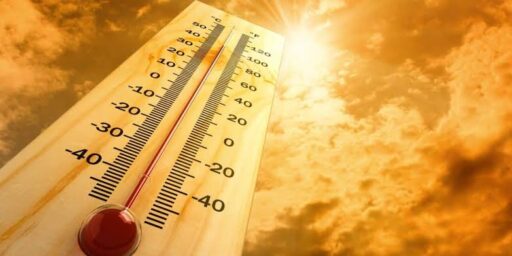
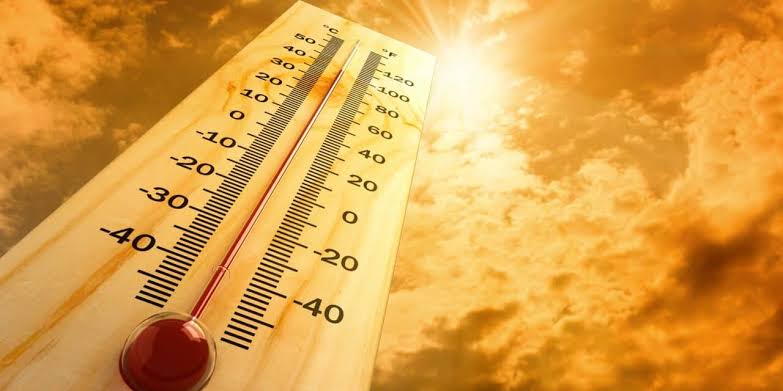

Extreme heat is often described as uncomfortable, exhausting, or inconvenient. But across the United States, the latest heat wave has shown again that high temperatures are not just a weather problem. They are a public health emergency.
Reports from across the country indicate that the heat-wave death toll has climbed as dangerous temperatures, high humidity, power outages, and limited access to air conditioning put millions of people at risk. Some early national reports placed the toll at more than two dozen deaths, while ongoing local updates and suspected heat-related cases have pushed the broader count higher as officials continue reviewing deaths connected to the extreme heat.
According to The Guardian, at least 25 people had died as a record-breaking heat wave scorched large parts of the United States, with New Jersey reporting many of the deaths. The Associated Press reported that several days of intense heat were suspected in at least 19 deaths in New Jersey alone, with many victims found inside homes without air conditioning or outside in extreme conditions.
The exact national number can change as medical examiners, health departments, and emergency officials confirm heat-related causes. But the message is already clear. Extreme heat is deadly, and the danger is often underestimated until the death toll begins to rise.
Why This Heat Wave Became So Dangerous
Heat waves are dangerous because they attack the body quietly. Unlike hurricanes, tornadoes, or floods, extreme heat does not always produce dramatic images. There may be no collapsed buildings, no rushing water, and no obvious destruction. But inside homes, apartments, cars, workplaces, and outdoor job sites, the body can begin to fail when it cannot cool itself.
The recent heat wave was especially dangerous because it combined high temperatures with humidity. When the air is humid, sweat does not evaporate as efficiently. That makes it harder for the body to cool down. The result is a higher heat index, sometimes called the “feels like” temperature.
Reuters reported that a broad heat dome brought dangerous “real-feel” temperatures across the central and eastern United States heading into the July 4 holiday, with some areas facing heat index values between 100 and 115 degrees Fahrenheit. The full report from Reuters described the event as a major heat wave affecting states from Kansas to New York.
That kind of heat becomes especially deadly when it lasts for several days. The body needs nighttime relief to recover. When nights stay hot, apartments remain warm, and people cannot cool down, the stress builds.
Heat Is America’s Deadliest Weather Threat
Many people fear tornadoes, hurricanes, floods, and wildfires more than heat. Those disasters are more visible and often more dramatic. But heat is consistently one of the deadliest weather hazards in the United States.
The National Weather Service warns that extreme heat and humidity can be deadly, especially when people do not have access to cooling, hydration, shade, or medical care. The agency urges people to limit strenuous activity, drink water, avoid direct sun when possible, and check on vulnerable neighbors during heat events.
The danger is that heat deaths can happen indoors as well as outdoors. A person does not need to be hiking, working construction, or exercising outside to die from heat. Many victims are found inside homes without air conditioning, in apartments that trap heat, or in vehicles where temperatures rise quickly.
This makes heat a silent killer. It often targets people who are isolated, elderly, medically vulnerable, homeless, poor, or unable to leave overheated spaces.
New Jersey Became One of the Hardest-Hit States
New Jersey emerged as one of the most heavily affected states during the heat wave. State officials said many suspected heat-related deaths occurred in homes without air conditioning, while others involved people found outdoors or in parked vehicles.
The Associated Press reported that New Jersey officials began seeing suspected heat-related deaths during the intense heat, with most occurring in central and northern parts of the state. Officials also noted that the heat affected people of different ages, not only seniors or those with known health conditions.
That point matters. Older adults and people with chronic illness are at higher risk, but extreme heat can harm anyone. Young adults, outdoor workers, athletes, children, and people without cooling access can also become seriously ill.
The New Jersey situation also shows why air conditioning can become a life-or-death issue during extreme heat. For some households, cooling is not available. For others, electricity costs are too high. In some cases, storms and power outages can remove cooling at the worst possible time.
Power Outages Make Heat Even More Dangerous
Heat waves often strain power grids because millions of people turn on air conditioners at the same time. When severe storms follow intense heat, power outages can make the situation worse. A home that was barely tolerable with fans or air conditioning can become dangerous quickly once the power goes out.
During the recent heat wave, storms knocked out power for large numbers of homes and businesses in parts of the Northeast and Mid-Atlantic. The Associated Press reported that severe storms following the heat left close to 1 million customers without power across multiple states.
This creates a dangerous combination. People already weakened by days of heat may suddenly lose access to fans, air conditioning, refrigeration, medical devices, or elevators. Older adults in high-rise buildings can become trapped. People with medical conditions may lose access to temperature-sensitive medications or equipment.
Heat emergencies are not only about temperature. They are about infrastructure, housing, electricity, transportation, and public health systems all being tested at once.
Who Is Most at Risk During Extreme Heat
Extreme heat can affect anyone, but some groups face much higher risk. Older adults, infants, young children, pregnant people, people with heart or lung disease, people with diabetes, people taking certain medications, outdoor workers, athletes, unhoused people, and people without air conditioning are all more vulnerable.
The Centers for Disease Control and Prevention explains that heat-related illness can happen when the body cannot cool itself properly. The CDC also warns that heat stroke is a medical emergency that can cause death or permanent disability if not treated quickly.
Medications can also increase risk. Some drugs affect sweating, hydration, blood pressure, or the body’s ability to regulate temperature. People with chronic illness may not realize they are becoming overheated until symptoms are severe.
Social isolation is another major risk factor. Someone living alone may not have anyone checking whether they are safe, hydrated, or able to cool down. This is why officials often urge people to check on elderly neighbors, relatives, and friends during heat waves.
Symptoms People Should Not Ignore
Heat exhaustion can begin with heavy sweating, weakness, dizziness, headache, nausea, fast pulse, muscle cramps, or fainting. At this stage, a person needs cooling, rest, water, and a safer environment.
Heat stroke is more dangerous. It can include confusion, loss of consciousness, hot skin, very high body temperature, seizures, or abnormal behavior. The CDC warns that heat stroke requires emergency medical care.
The dangerous part is that people may not always recognize the symptoms in themselves. Heat can affect judgment. A person may feel tired, confused, or weak and not understand how serious the situation has become.
That is why family members, neighbors, employers, coaches, and caregivers need to watch for warning signs. Waiting too long can be fatal.
Why Cars Are Especially Dangerous
Vehicles can become deadly during heat waves. Even when outside temperatures are not at record levels, the inside of a parked car can heat up rapidly. Children, pets, older adults, or anyone unable to leave the vehicle can become trapped in life-threatening conditions.
The National Highway Traffic Safety Administration warns that heatstroke in vehicles can happen quickly and that children should never be left alone in a car, even for a short time.
This is important because some heat-related deaths occur in parked vehicles. During extreme heat, a car can become an oven. Cracking a window is not enough to make it safe.
Parents and caregivers should build habits that reduce risk, such as checking the back seat every time they leave the car and never assuming someone else has removed a child from the vehicle.
Outdoor Workers Face Serious Risk
Outdoor workers are among the most exposed groups during a heat wave. Construction crews, delivery drivers, farmworkers, landscapers, road crews, utility workers, warehouse workers, airport ground crews, and sanitation workers may all face long hours in extreme conditions.
Heat illness can develop faster when people are doing physical labor, wearing protective clothing, carrying equipment, or working on hot surfaces like asphalt and rooftops. The body generates heat from exertion while also absorbing heat from the environment.
The Occupational Safety and Health Administration recommends water, rest, shade, acclimatization, and emergency planning to reduce heat illness risk for workers. Employers have a responsibility to take heat seriously, especially when temperatures reach dangerous levels.
Workers may also feel pressure to keep going even when they feel sick. That can be deadly. Heat illness is not weakness. It is a medical risk that can escalate quickly.
Why Heat Death Counts Can Rise After the Event
Heat-wave death tolls often rise after the worst temperatures pass. That is because confirming heat-related deaths can take time. Medical examiners may need to review circumstances, health histories, body temperature, location, and contributing factors.
Some deaths are directly caused by heat stroke. Others involve heat worsening an existing condition, such as heart disease, kidney disease, or respiratory illness. In those cases, heat may be a contributing factor even if it is not the only cause.
This is why early numbers can be incomplete. The first reported toll may include only confirmed cases, while later totals may include suspected or newly confirmed deaths. The public may hear one number on Monday and a higher number later in the week.
Axios reported that the deadly impact of the heat wave was growing, with millions still under heat alerts after the holiday weekend. The Axios report also noted that extreme heat remains the nation’s deadliest weather hazard.
Climate Change Is Making Heat Risk Worse
Scientists have repeatedly warned that climate change is making heat waves more frequent, intense, and longer-lasting. Warmer baseline temperatures make it easier for heat extremes to break records and harder for communities to recover.
This does not mean every individual heat wave has one simple cause. Weather patterns, humidity, regional climate, urban heat, and atmospheric pressure systems all play roles. But the broader trend is clear: a hotter climate increases the odds of dangerous heat.
The Environmental Protection Agency tracks heat-wave indicators and notes that heat waves in major U.S. cities have become more frequent and longer-lasting over time. This trend increases public health risks, especially in cities where pavement, buildings, and limited tree cover trap heat.
Urban areas can be especially dangerous because they often stay hotter at night. Asphalt, concrete, and buildings absorb heat during the day and release it slowly after sunset. This urban heat island effect can prevent bodies from cooling down overnight.
How People Can Stay Safer
During extreme heat, people should move to air-conditioned spaces when possible, drink water regularly, avoid outdoor activity during the hottest part of the day, wear light clothing, check on vulnerable people, and never leave children or pets in cars.
Cooling centers can be lifesaving for people without air conditioning. Public libraries, community centers, malls, and emergency shelters may also provide relief. Local government websites often list cooling locations during heat emergencies.
The Ready.gov extreme heat guide recommends preparing for heat waves by identifying cool places, checking air-conditioning systems, learning heat illness symptoms, and planning for power outages.
People should also treat heat alerts seriously. A heat advisory or excessive heat warning is not just a weather update. It is a health warning.
The Bottom Line
The rising U.S. heat-wave death toll is a reminder that extreme heat can be as dangerous as any major storm. It kills quietly, often inside homes, cars, workplaces, and neighborhoods where people do not have enough cooling or support.
The latest heat wave brought dangerous temperatures and humidity to large parts of the country, with New Jersey among the hardest-hit states and deaths reported across multiple areas. As officials continue reviewing suspected heat-related cases, the toll may continue to change.
The most important message is simple. Heat is not just uncomfortable. It is deadly when the body cannot cool down. People need water, shade, air conditioning, rest, and help from others during extreme temperatures.
As heat waves become more intense and more common, communities will need better cooling access, stronger public health warnings, safer workplaces, reliable power grids, and more attention to people who are most vulnerable.
Extreme heat may not always look dramatic, but the danger is real. When temperatures climb and nights stay hot, checking on one person, opening a cooling center, or taking symptoms seriously can save a life.