

Romance schemes and “wrong number” text messages have quietly become some of the most expensive ways to lose cryptocurrency, blending emotional manipulation with slick social engineering. Rather than relying on brute-force hacks, scammers lean on affection, everyday chat apps, and plausible backstories to siphon victims’ savings into opaque trading platforms. The result is a scam format that feels intimate and low pressure, right up until the moment the money is gone.
How romance and stray texts turned into high-dollar crypto traps
Romance fraud has existed for as long as people have looked for partners, but crypto has given scammers a faster, harder-to-reverse way to cash out. Earlier this year, consumer advocates flagged that relationship-driven cons were responsible for some of the largest single losses among internet fraud reports, with victims pushed into speculative digital assets rather than traditional wire transfers or gift cards. The mechanics look familiar: a scammer builds trust over weeks or months, then introduces a “can’t-miss” trading opportunity and offers to guide the target through it.
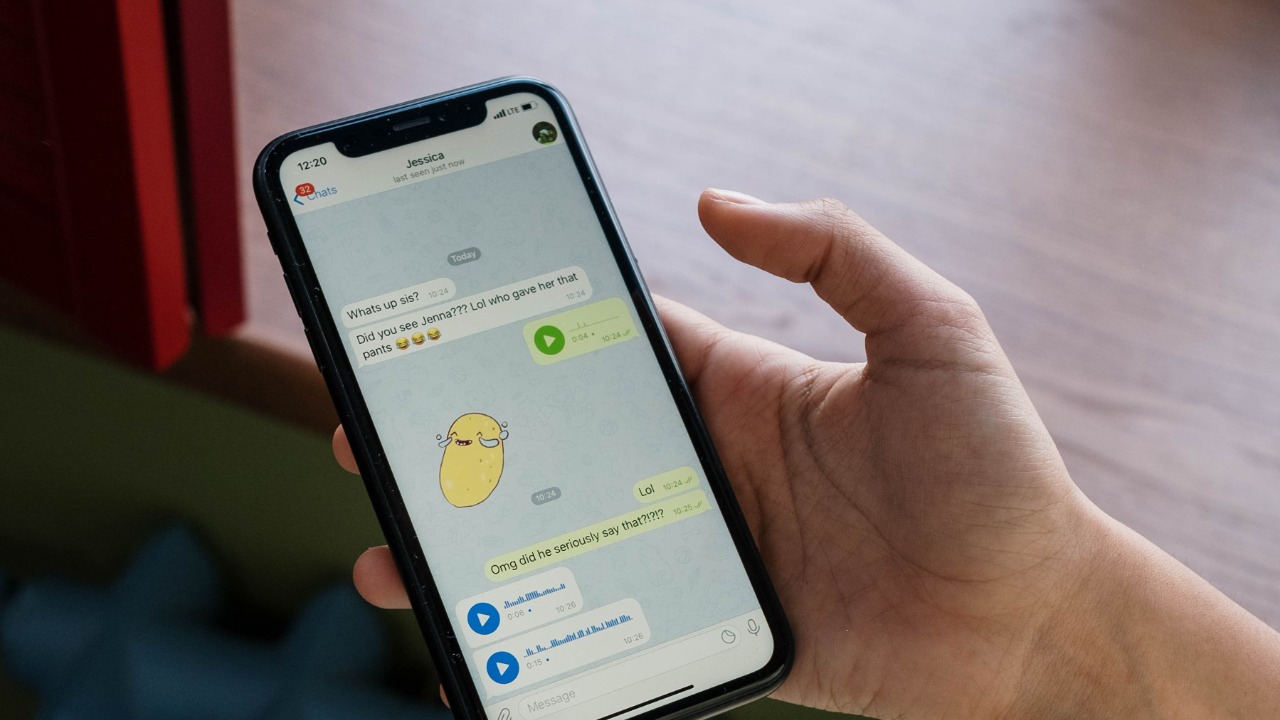
In parallel, security researchers have watched the rise of “wrong number” outreach as a low-friction way to start that relationship pipeline. A text that reads like a simple mix-up, often something as casual as “Hi, are we still on for yoga tonight?”, invites a polite correction. If the recipient replies, the stranger apologizes, keeps chatting, and slowly shifts into friendly banter. The pattern has become common enough that roundups of wrong number texts now sit alongside warnings from fraud experts who say the same tactic is being weaponized for crypto schemes.
Over the past year, the level of polish has changed dramatically. Scammers are no longer firing off one-line messages from obvious spam accounts. Many now maintain full personas, complete with Instagram-style photo feeds, LinkedIn profiles, and believable jobs in finance or tech. Analysts tracking the latest top internet scams describe romance and investment hybrids as some of the costliest cases, in part because victims are convinced they are dealing with a sophisticated trader who just happens to care about them.
That emotional groundwork feeds directly into a specific crypto playbook often labeled “pig butchering” by law enforcement. The scammer encourages small test deposits into a slick trading interface, shows fake profits inside the dashboard, and then nudges the victim to “scale up” to life-changing amounts. Because the supposed partner claims to be investing alongside them, the target feels less like a mark and more like part of a joint financial plan.
From quirky memes to extraction funnels: what changed in the text channel
For years, accidental texts were treated as internet ephemera, a source of screenshots and memes rather than serious risk. Collections of weird text messages helped popularize the idea that random greetings from strangers were mostly amusing glitches in the phone system or bored pranksters trying their luck. That framing made people more likely to play along for a few messages, which is exactly the opening scam operations needed.
What has shifted is intent and scale. Investigators say many “wrong number” chats now originate from organized groups that manage large fleets of phone numbers and messaging accounts. Scripts guide the conversation from apology, to small talk, to personal disclosures, and eventually to money. Instead of dropping a crypto pitch in the first few minutes, scammers may spend weeks talking about pets, parents, or workplace frustrations. The goal is to make the investment suggestion feel like a natural extension of an ongoing friendship or budding romance.
Technology has also lowered the barrier to entry. Cheap SMS gateways, VoIP numbers that mimic local area codes, and AI-assisted translation let scammers target victims across borders while sounding fluent and regionally aware. On platforms like WhatsApp, Telegram, and Signal, profile photos and status updates can be refreshed daily to keep the illusion of a full, offline life. That visual consistency helps override the small red flags that might otherwise push someone to block an unfamiliar number.
Crypto fits neatly into this environment because it is both aspirational and opaque. Scammers present themselves as early adopters who have already made significant gains trading tokens or using decentralized finance platforms. They often talk about specific coins, trading pairs, or “arbitrage bots” that supposedly exploit price gaps. To a target who has heard about others getting rich from digital assets but does not understand the mechanics, the combination of romance and technical jargon can be disarming.
Once trust is established, the structure of the scam follows a predictable pattern. The victim is directed to a website or app that imitates a legitimate exchange interface, complete with candlestick charts, order books, and customer support chat. Deposits initially appear to grow quickly, reinforcing the idea that the partner’s strategy works. The trap only becomes obvious when the victim tries to withdraw funds and is told they must pay additional “taxes” or “verification fees,” or when the site simply goes dark.
Why these crypto cons are hitting harder right now
Several forces have converged to push romance-infused crypto fraud to the top of the loss charts. The post-pandemic shift toward digital social lives means more people are comfortable forming relationships entirely through messaging apps. That reduces the stigma of talking to strangers online and makes it easier for scammers to blend in with real matches from dating platforms like Tinder or Hinge.
Another factor is the broader normalization of crypto investment, which has removed a key psychological barrier. When bitcoin and other tokens were fringe, a pitch to move life savings into a little-known exchange would have sounded outrageous. After years of mainstream coverage of digital assets, a suggestion to “diversify” into crypto feels less exotic. Fraud analysts say this change has made it easier for scammers to frame their schemes as savvy financial advice rather than reckless speculation.
Economic anxiety also plays a role. With inflation, housing costs, and job insecurity weighing on many households, the promise of outsized returns carries extra appeal. Romance scammers lean into that vulnerability, presenting crypto trading as a shared escape plan. They often tell stories about helping family members pay off debt or buy property through similar strategies, then invite the victim to imagine a future where they do the same together.
At the same time, the technical structure of cryptocurrency makes recovery difficult once funds are sent. Transfers recorded on public blockchains may be traceable, but the use of mixers, cross-chain bridges, and offshore exchanges can quickly obscure the trail. Law enforcement agencies have warned that by the time victims realize they have been conned, the assets are often scattered across multiple wallets tied to foreign operators.
Regulatory gaps compound the problem. Many of the platforms used in these scams operate without licenses, customer identification checks, or clear corporate ownership. Victims who try to complain discover there is no real company behind the glossy landing page, only a web of shell domains and support emails that go unanswered. In contrast to bank transfers, there is usually no straightforward chargeback process, which leaves people with little recourse beyond filing police reports and fraud complaints.
What needs to happen next to blunt the damage
Given the emotional and financial stakes, consumer advocates argue that prevention will matter more than after-the-fact enforcement. One priority is public education that treats “wrong number” outreach as a serious risk category rather than a quirky annoyance. Campaigns that encourage people to ignore or block unexpected messages instead of engaging, even in jest, can cut off the first step in the grooming process.
Messaging platforms and mobile carriers are under pressure to do more as well. Some have begun experimenting with labels that flag messages from unknown numbers or highlight when a sender has been reported for spam by other users. Expanding those tools, along with clearer in-app warnings about investment pitches that originate in personal chats, could help users connect the dots before money changes hands.