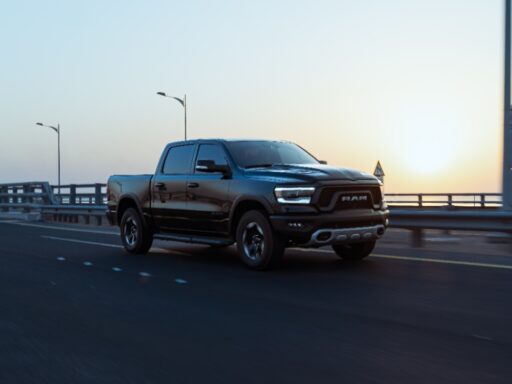

Ram’s heavy-duty 3500 pickup has quietly become the statistical favorite in a race most truck buyers care about more than any 0-to-60 time: the odds of surviving to a quarter-million miles. Recent longevity data shows the Ram 3500 with a roughly 40 percent chance of reaching 250,000 miles, putting it ahead of every other truck in the study and reframing how shoppers think about “buying once” for the long haul.
That figure does not guarantee any individual truck will last that long, but it signals that a properly maintained Ram 3500 is more likely than its rivals to deliver serious workhorse mileage before retirement. For fleets, contractors and long-distance haulers, that probability translates directly into years of additional service and thousands of dollars in avoided replacement costs.
How the Ram 3500 climbed to the top of the 250,000‑mile rankings
The 40 percent probability attached to the Ram 3500 comes from a large-scale analysis of odometer readings that tracked which vehicles were most likely to hit or exceed 250,000 miles. In that study, the Ram 3500 topped the truck list, ahead of familiar durability benchmarks from Ford, Chevrolet and GMC that have long dominated heavy-duty conversations. The dataset grouped vehicles by model and generation, then calculated the share that crossed the quarter-million-mile threshold, giving the Ram’s 40 percent figure real weight rather than anecdote.
Heavy-duty pickups like the Ram 3500 tend to score higher than half-ton trucks in this type of analysis because they are engineered for sustained towing, hauling and commercial use. The Ram 3500’s ladder frame, rear leaf springs and available high-output diesel powertrains are built around continuous high-load operation, which helps explain why so many examples in the sample set survived to 250,000 miles and beyond. The same study that crowned the Ram 3500 also identified other long-lived models, with a mix of pickups, SUVs and hybrids appearing on the list of longest lasting vehicles.
Within that broader ranking, heavy-duty trucks consistently clustered near the top. Models such as Ford’s Super Duty series and GM’s 2500 and 3500 pickups also showed elevated odds of reaching 250,000 miles, but none matched the Ram 3500’s 40 percent share. The gap is not enormous, yet it is meaningful when the question is whether a work truck will still be earning revenue after a decade or more on the road.
The analysis also underscored that longevity is not solely about powertrain choice. Gasoline and diesel variants both appeared in the high-mileage pool, suggesting that factors such as cooling capacity, transmission durability and chassis design play as big a role as the engine itself. For Ram 3500 owners, that reinforces the idea that the truck’s overall heavy-duty engineering, rather than any single component, underpins its strong showing in the data.
Why a 40 percent shot at 250,000 miles matters for buyers and fleets
A 250,000‑mile target used to be the domain of folklore and outliers, the occasional farm truck that refused to die. The new data turns that myth into a measurable probability, and for the Ram 3500 it suggests that nearly half of the trucks in the sample made it to that milestone. For a contractor who racks up 25,000 miles per year, that equates to roughly a decade of service before crossing the quarter-million mark, and many examples in the dataset went further.
That kind of longevity has direct financial implications. Depreciation is the single largest cost in vehicle ownership, and stretching the useful life of a truck spreads acquisition costs across more years and miles. A Ram 3500 that reliably serves for 250,000 miles can justify a higher upfront price, especially when it replaces a truck that might need major repairs or outright replacement closer to 150,000 or 180,000 miles. For fleet operators running multiple heavy-duty pickups, the difference between trucks that statistically tap out early and those that keep going can add up to six-figure swings in total cost of ownership over time.
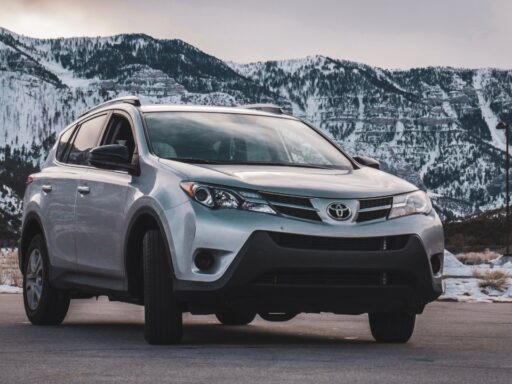
The same study that spotlighted the Ram 3500 also ranked other segments, including midsize SUVs, three-row family haulers and hybrids, offering shoppers a broader view of which vehicles tend to go the distance. In that ranking of long-lasting cars and, several Toyota and Honda models dominated the passenger side of the list, while American heavy-duty pickups led the truck category. The Ram 3500’s position at the top of its class therefore sits within a wider pattern that rewards overbuilt hardware and conservative engineering.
For individual buyers, the 40 percent figure also reshapes how to think about used trucks. A high-mileage Ram 3500 with 150,000 miles on the clock may look intimidating on a classified listing, but the study suggests that such a truck could still have 100,000 miles of realistic life ahead, provided it has been maintained and not abused. That does not erase the need for inspections or service records, yet it offers context that a similar-mileage half-ton pickup might not provide the same odds of reaching 250,000 miles without major component failures.
There is also a psychological effect. When a truck has a documented track record of surviving to 250,000 miles in significant numbers, owners may be more inclined to invest in preventive maintenance rather than trading out early. Spending on transmission fluid changes, cooling system service and suspension components feels more rational when the underlying platform is likely to reward that care with additional years of reliable work.
How Ram’s 3500 benchmark could shape the next generation of trucks
The Ram 3500’s leading probability of hitting 250,000 miles sets a benchmark that competitors are unlikely to ignore. Heavy-duty pickups are big-ticket purchases, and longevity rankings now circulate widely among buyers who once relied mostly on word of mouth. If Ram can point to a 40 percent quarter-million-mile rate in marketing materials, Ford and GM will feel pressure to match or exceed that performance in upcoming generations of Super Duty and HD trucks.
That competitive dynamic is likely to influence engineering decisions. Automakers already face trade-offs between weight, emissions, fuel economy and durability. Pushing for lighter frames and smaller-displacement engines can help efficiency, but may raise questions about long-term toughness if not executed carefully. The Ram 3500’s results suggest that there is still strong demand for trucks that prioritize longevity and structural overbuild, even if that comes with a fuel-economy penalty compared with lighter-duty models.
Future heavy-duty trucks are also being asked to integrate more complex electronics and driver-assistance systems, from advanced towing cameras to adaptive cruise control. Those features add convenience, yet they introduce additional failure points over a 15-year lifespan. The next challenge for Ram and its rivals will be maintaining or improving mechanical longevity while ensuring that software, sensors and control units can survive the same 250,000‑mile journey without turning into a cascade of expensive electrical repairs.
There is a parallel conversation happening around electrification. Fully electric pickups and plug-in hybrids are still in the early stages of proving their long-term durability under heavy towing and commercial cycles. Battery longevity, thermal management and high-voltage component reliability will determine whether future electric work trucks can rival a Ram 3500’s 40 percent shot at a quarter-million miles. Until those vehicles accumulate comparable real-world mileage, many buyers who prioritize proven durability are likely to stick with conventional heavy-duty platforms.
For Ram, the current data provides both a marketing edge and a responsibility. Owners who buy into the 250,000‑mile promise will expect dealer service networks, parts availability and warranty support that align with a long service life. If the company can pair its statistical lead in longevity with consistent real-world ownership experiences, the Ram 3500’s reputation as a quarter-million-mile workhorse could become a defining trait for the brand, not just a line in a study.