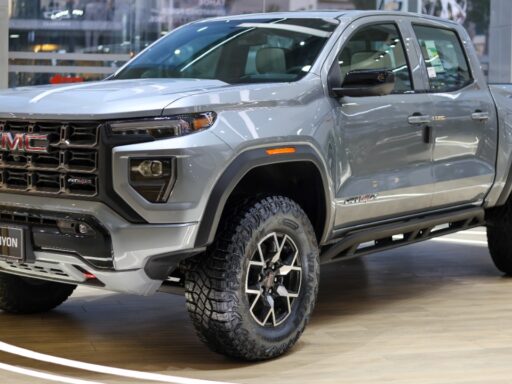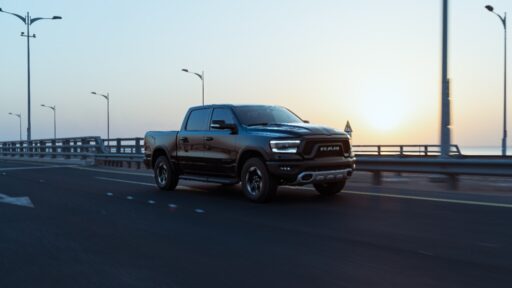
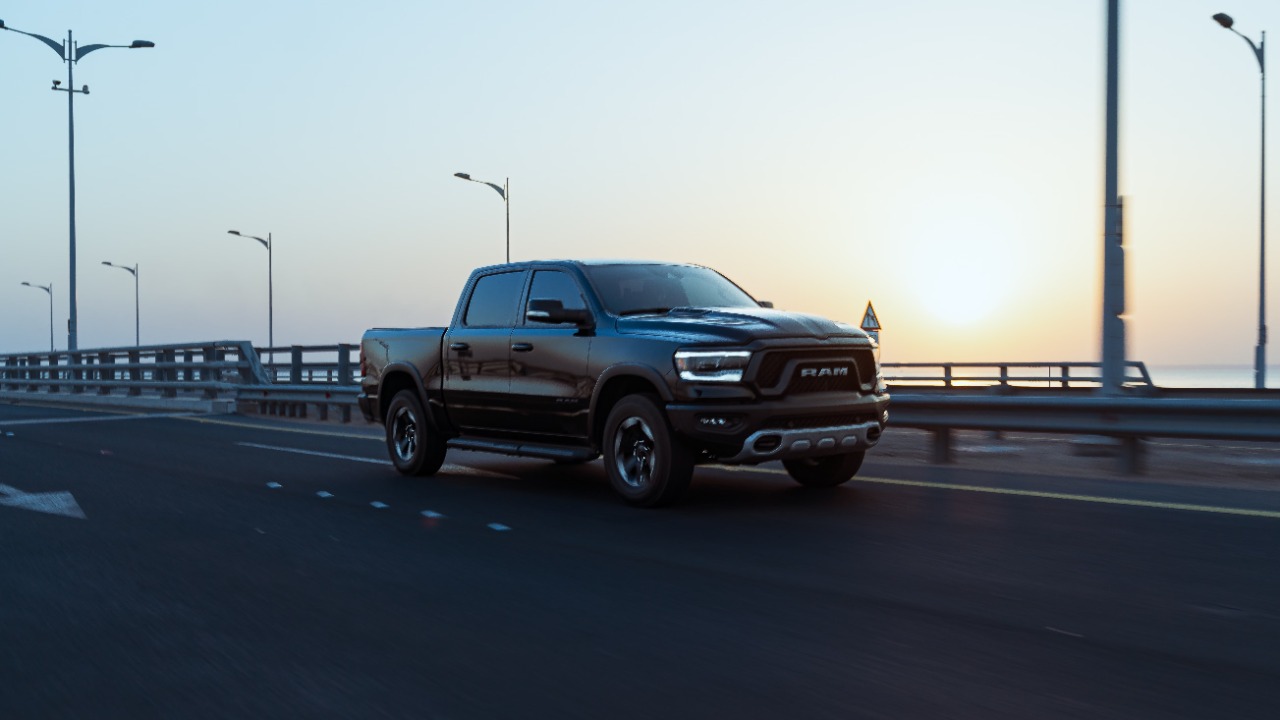

Pickup trucks have long carried a reputation for durability, but new longevity rankings put hard numbers behind that image. A recent analysis of vehicles most likely to reach 250,000 miles or more found that six pickups secured places among the 25 longest-lasting models on the road, underscoring how full-size and heavy-duty trucks have become central to the conversation about long-term value, reliability, and total cost of ownership.
How the latest longevity rankings elevated six pickup trucks
The current list of vehicles most likely to reach 250,000 miles is built from high-mileage registration data, not marketing claims. Analysts looked at the share of each model that stayed in service beyond the 250,000-mile mark, then ranked them by the probability of hitting that threshold. In the latest results, six pickup trucks appeared among the 25 top performers, reflecting the way modern trucks combine commercial-grade engineering with mass-market sales volume.
Several of those trucks have long histories with fleet buyers, who tend to keep vehicles in service for many years and maintain them on strict schedules. That usage pattern helps explain why full-size pickups consistently show up in high-mileage studies. When researchers examined models with the greatest likelihood of surpassing 250,000 miles, they found that pickups and truck-based SUVs dominated the upper ranks, with trucks accounting for a significant share of the longest-lasting nameplates according to high-mileage data.
Earlier research had already pointed in a similar direction. A prior study of U.S. vehicles that most frequently topped 200,000 miles identified a core group of body-on-frame trucks and SUVs that outlasted the broader market. That list included multiple full-size pickups that have now reappeared in the 250,000-mile rankings, suggesting that the same engineering choices that once delivered 200,000 miles of service life are now supporting even longer ownership spans. In a separate review of the 16 longest-lasting vehicles in the United States, analysts again found that pickups were heavily represented among models with the highest share of odometers passing 200,000 miles, reinforcing the pattern seen in the newer 250,000-mile list and aligning with earlier longevity findings.
The new rankings also highlight a split between brands that dominate long-life lists and those that struggle to appear at all. One assessment of the 25 vehicles most likely to reach 250,000 miles reported that not a single American-branded car made the cut, even though several pickups from U.S.-based manufacturers have historically shown strong durability in other datasets. That analysis drew attention to how import brands, particularly those with reputations for conservative engineering and incremental updates, continue to post strong high-mileage numbers, as illustrated by recent coverage of the list.
Why pickup longevity rankings matter for buyers and the industry
For individual buyers, the appearance of six pickups in the top 25 longest-lasting vehicles has direct financial implications. Trucks typically carry higher sticker prices than comparable sedans or crossovers, but their ability to stay on the road for 250,000 miles can offset that initial cost. When a truck maintains useful life over more years and miles, the cost per mile drops and resale values tend to stay higher. That equation is particularly important for small businesses and tradespeople who rely on pickups as income-producing tools rather than lifestyle accessories.
Longevity rankings also influence how shoppers think about powertrain choices and trim levels. Buyers who plan to keep a truck for 10 years or more often prioritize simpler, proven engines and transmissions instead of the newest turbocharged or hybrid systems. High-mileage lists show that models with long production runs and incremental mechanical changes tend to do well. In several of the longest-lasting pickups, the core engine families have been refined over time rather than replaced outright, a pattern that supports consistent reliability results across multiple model years. That trend is reflected in broader rankings of vehicles most likely to hit 200,000 miles, where repeat appearances by certain trucks and SUVs have been documented in long-life comparisons.
For the industry, the strong showing by pickups in the 250,000-mile rankings reinforces the strategic importance of truck platforms. Full-size pickups are already among the most profitable vehicles for several major manufacturers, and high-mileage performance strengthens brand loyalty. Owners who drive a truck for more than a decade and cross a quarter-million miles are more likely to return to the same badge when it is time to replace it, a loyalty that can outweigh short-term incentives or styling changes in other segments.
The data also feeds into debates over planned obsolescence and sustainability. Longer-lived vehicles reduce the frequency of manufacturing new units, which can lower the total environmental footprint associated with production, shipping, and scrappage. At the same time, very high-mileage trucks tend to be older designs that may lack the latest emissions controls or fuel-saving technologies. Policymakers and manufacturers face a trade-off between encouraging rapid adoption of cleaner models and recognizing that extending the life of existing vehicles can reduce waste and resource use. The strong presence of pickups in long-life rankings puts that tension into sharp relief, since trucks often consume more fuel per mile than compact cars but now commonly outlast them.
Insurance and financing practices are also affected. When lenders and insurers see consistent evidence that certain pickups remain valuable and roadworthy deep into six-figure mileage, they can justify longer loan terms and more favorable residual value assumptions. That, in turn, can make higher-spec trims more accessible to buyers who plan to keep the truck well beyond the typical three- to five-year trade-in window.
How truck makers and buyers are likely to respond to the longevity trend
The prominence of six pickups among the longest-lasting vehicles is likely to shape how manufacturers design and market their next generations of trucks. Automakers already emphasize towing capacity, payload, and cabin technology in their advertising, but durability metrics are moving closer to the center of those campaigns, with more focus on real-world mileage achievements and fleet usage stories. Some brands already highlight trucks that have passed 200,000 or 300,000 miles in owner testimonials, and the new 250,000-mile rankings give them a fresh benchmark to promote.
Engineering priorities may also shift. As trucks add complex features such as turbocharged engines, multi-speed automatic transmissions, and advanced driver-assistance systems, manufacturers must balance innovation with the need to preserve long-term reliability. High-mileage data suggests that customers reward designs that keep critical components accessible and maintainable. That could encourage more modular powertrain layouts, longer parts support, and clearer maintenance schedules tailored to owners who intend to keep their trucks for 15 years or longer.
On the buyer side, the new rankings are likely to encourage more rigorous shopping habits. Prospective owners who see that only certain trims or engine options consistently appear in high-mileage datasets may narrow their search accordingly. Shoppers might prioritize trucks that have already proven themselves over several model years rather than rushing to first-year redesigns. Used-truck buyers, in particular, can leverage the 250,000-mile findings to identify models that still have significant life left even when purchased with 100,000 miles already on the odometer, especially when those models appear repeatedly in independent lists of long-lasting vehicles such as the ones discussed in recent rankings.
Fleet operators are likely to double down on the pickups that show up in both 200,000-mile and 250,000-mile studies. For large commercial fleets, the difference between a truck that reliably reaches 250,000 miles and one that ages out at 175,000 miles can translate into millions of dollars in capital costs over time. The latest rankings give fleet managers more confidence when standardizing on a small set of models and negotiating long-term supply and service contracts.
Looking ahead, the rise of electric pickups will test whether the durability story can carry over to new powertrains. Battery packs, electric motors, and software-heavy control systems present different failure modes than traditional gasoline and diesel engines. While the current 250,000-mile list is dominated by internal combustion trucks, future versions of the rankings will reveal whether electric pickups can match or exceed that longevity. If they do, the combination of lower running costs and long service life could reshape both personal and commercial truck ownership.