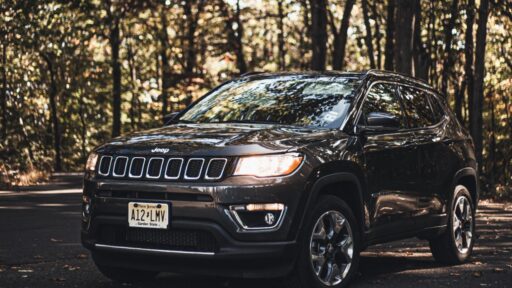
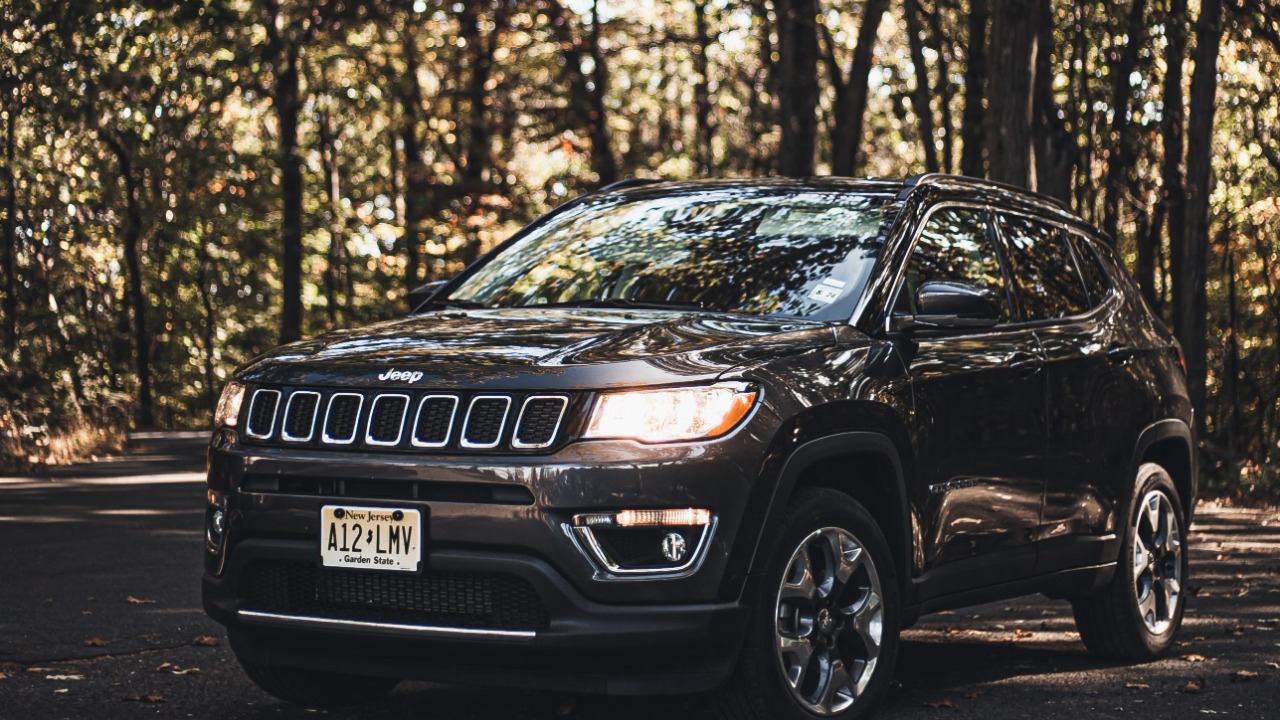

Jeep built its reputation on rugged image and off-road capability, but a growing number of Compass and Renegade owners say their SUVs are running into serious trouble long before the odometer suggests they should. Complaints about balky transmissions, sudden power loss, and engine failures are surfacing early in the ownership cycle, raising questions about how well these small Jeeps hold up in daily use. For shoppers who want compact utility without luxury pricing, that pattern is starting to look like a costly gamble.
How reliability perceptions around the Compass and Renegade have shifted
The Compass and Renegade were supposed to give Jeep a strong foothold in the crowded small SUV segment, pairing brand cachet with city-friendly size. Over time, however, reliability surveys and owner feedback have pushed both models toward the lower end of the pack. Evaluators who track long-term performance have flagged repeated trouble spots involving transmission behavior and engine durability in multiple model years.
In assessments of the 2025 Jeep Compass, analysts note that the current generation still carries a history of drivetrain and engine problems that affects its predicted reliability. Owners describe early-life issues such as harsh shifting, hesitation when pulling away from a stop, and warning lights that lead to transmission control module replacements. Some report that these symptoms appear well before 60,000 miles, a mileage band where most buyers expect only routine maintenance.
The Renegade, which shares key components and powertrains with the Compass in many configurations, has drawn similar criticism in owner forums and complaint databases. Drivers recount episodes of the 9-speed automatic hunting for gears on the highway, abrupt downshifts, and in some cases a sudden loss of power that forces an immediate pull-off. When engines are involved, accounts often mention rough idle, stalling at low speeds, or oil consumption that climbs quickly as the vehicle ages.
These patterns have not gone unnoticed in trade-in markets. Used-car managers frequently discount compact Jeeps relative to rivals from brands with stronger reliability reputations, reflecting both auction data and the risk of reconditioning costs tied to drivetrain repairs. That discount may benefit second-hand buyers who understand the risks, but it can be painful for first owners who see resale values eroded by widespread concern about early mechanical trouble.
What owners are experiencing when problems hit early
Owner reports tend to fall into a few recurring categories. One involves transmission behavior that feels out of sync with driver input. Some Compass and Renegade drivers describe a delay between pressing the accelerator and any meaningful response, followed by a sudden surge as the transmission finally selects a lower gear. Others notice a shudder or vibration at steady speeds, as if the gearbox cannot decide which ratio to hold.
A second cluster of complaints centers on warning lights and limp-home modes. In these cases, the transmission or engine control computer detects a fault, triggers a dashboard alert, and sharply limits available power to protect components. Owners describe unnerving situations where highway passing power disappears, or where the vehicle will not accelerate beyond a modest speed even with the pedal down. Diagnosis can reveal issues ranging from failed sensors to internal transmission wear, and repair bills rise quickly once major parts are involved.
Engine-related issues often show up as rough running or unexpected stalling. Some owners report that their compact Jeep will stall when coming to a stop or turning through an intersection, then restart without an obvious cause. Others track oil levels and find that they need to top off between scheduled changes, a sign that the engine is consuming more oil than expected. Left unchecked, chronic oil loss can lead to internal damage and, in the worst cases, full engine replacement.
For families who chose a Compass or Renegade as a primary vehicle, the timing of these problems matters as much as the severity. When a transmission fails within the first few years, even if the repair is covered under warranty, the disruption can mean weeks without transportation. Loaner availability varies widely by dealer, and some owners report paying out of pocket for rentals while waiting on parts or authorization. Once coverage expires, the cost of a new or rebuilt transmission or engine can easily exceed the resale value of an older compact SUV.
Why early drivetrain trouble is a bigger deal right now
Compact SUVs like the Compass and Renegade sit in a segment where buyers are often stretching budgets. Many are first-time new-car buyers or households moving up from a small sedan, attracted by higher seating positions and all-wheel-drive options. When a vehicle in this price band develops major mechanical trouble early in its life, the financial shock can be far more damaging than it would be for a luxury buyer who has more flexibility.
At the same time, new-vehicle prices and interest rates remain elevated compared with a few years ago, which keeps people in their cars longer. That trend makes long-term reliability more important, not less. If a compact Jeep starts showing serious transmission or engine symptoms just as the original warranty ends, owners face a hard choice between paying for a large repair or rolling negative equity into a new loan. Either path can strain budgets that were already tight.
There is also a safety dimension. Transmission hesitation or sudden power loss can turn routine maneuvers into hazards, especially when merging into fast traffic or crossing busy intersections. When owners describe their vehicles stalling without warning or dropping into limp mode on the highway, they are not just inconvenienced. They are managing a risk that other drivers in the same class of vehicle may not expect to face so early in the ownership cycle.
For Jeep as a brand, recurring early-life mechanical issues cut against the marketing message of durability and adventure. Compact SUVs are often gateway products that introduce younger or budget-conscious buyers to the lineup. If those first experiences involve repeated dealer visits for drivetrain repairs, customers may be less inclined to move into larger or more expensive Jeep models later on.
How owners and shoppers can respond to the pattern
Owners already driving a Compass or Renegade can take a few practical steps to reduce the risk of being blindsided by early failures. Regularly checking transmission fluid condition and engine oil level, even between scheduled services, can reveal emerging issues before they escalate. Any sign of slipping, shuddering, or delayed engagement in the transmission should prompt a visit to a trusted shop or dealer, with a clear request to document findings in case warranty coverage is needed later.
Keeping meticulous records of service visits and complaints also matters. When problems recur, a paper trail can strengthen a case for goodwill assistance from the manufacturer or, in some jurisdictions, support a claim under consumer protection or lemon laws. Owners who experience repeated stalling, power loss, or warning lights should ensure that each event is logged, not simply cleared with a quick reset.
Shoppers considering a used Compass or Renegade can protect themselves by paying close attention to model years and powertrain combinations that show the highest complaint rates. A pre-purchase inspection by an independent mechanic who is familiar with these vehicles can uncover signs of past overheating, transmission wear, or engine oil leaks. Extended warranties that specifically cover the transmission and engine can make sense for buyers who accept the risk in exchange for a lower purchase price.
For those still cross-shopping, comparing predicted reliability scores and owner satisfaction ratings across rival small SUVs can be revealing. Models from brands with stronger track records in compact crossovers may cost more upfront, but they can save money and stress over a longer ownership period. The key is to weigh the appeal of Jeep styling and off-road image against the documented likelihood of early drivetrain trouble.