
Heavy-duty trucks are built to handle enormous workloads, long-distance transportation, and demanding road conditions. However, even a small component issue can create serious safety concerns when it affects a vehicle responsible for carrying heavy loads at highway speeds.
Volvo Trucks has issued a recall for certain big rigs after discovering that steering components may not have been secured properly. The issue involves fasteners connected to the steering system that could loosen during operation, potentially causing a loss of steering control. According to safety information from Transport Canada’s vehicle recall database, affected Volvo models include certain 2026 VN, VHD, VAH, VNE, and VNL trucks where steering arm fasteners may not have been tightened correctly.
For fleet operators, independent truck owners, and logistics companies, this type of recall highlights the importance of preventive maintenance and safety inspections. A problem involving a small fastener can become a major operational risk when it affects a vehicle weighing tens of thousands of pounds.
Why a Steering Fastener Problem Is a Serious Safety Concern
In passenger vehicles, a steering issue can be dangerous. In a fully loaded commercial truck, the consequences can be even more severe.
Heavy-duty trucks often operate at highway speeds while carrying significant cargo weight. The steering system must maintain precise control despite changing road conditions, vehicle weight, weather, and driver input.
If a steering arm or related component becomes loose, the driver may experience reduced control over the vehicle’s direction. In extreme situations, a complete loss of steering ability could increase the risk of a crash.
The National Highway Traffic Safety Administration (NHTSA) monitors vehicle safety defects in the United States and provides recall information through its official vehicle safety recall database. These systems allow owners and operators to verify whether their vehicles are affected and understand the required repairs.
Which Volvo Trucks Are Included in the Recall?
The recall affects certain Volvo heavy-duty truck models produced for commercial transportation. The affected vehicles include models such as the Volvo VN, VNL, VNR, VHD, and other related platforms depending on production specifications.
The concern is related to steering arm fasteners that may not have received the correct tightening process during manufacturing. If the connection weakens over time, steering performance could be compromised.
For truck operators, identifying affected vehicles quickly is essential because many commercial fleets depend on consistent uptime. A truck removed from service can affect delivery schedules, contracts, and overall business operations.
How Manufacturing Quality Control Plays a Role
Modern commercial trucks are made from thousands of components working together. Manufacturing processes rely heavily on precise assembly procedures, including correct torque specifications for critical fasteners.
A fastener may appear simple, but its role can be extremely important. Components connected through bolts, screws, and other fastening systems must maintain the correct level of tightness throughout years of vibration, temperature changes, and heavy use.
Truck manufacturers use detailed quality control procedures to prevent these issues, but recalls demonstrate that even advanced manufacturing systems must continuously monitor potential failures.
The Volvo Trucks official website highlights the company’s focus on safety, engineering, and reliability in commercial transportation. Safety recalls are part of the automotive industry’s process for identifying and correcting issues that may appear after vehicles enter real-world operation.
The Impact on Fleet Operators
For trucking companies, vehicle recalls create challenges beyond repair costs. Downtime, scheduling disruptions, and compliance requirements can affect daily operations.
A single truck being unavailable can influence delivery timelines, driver assignments, and customer commitments. Large fleets must often coordinate recall repairs across multiple vehicles while maintaining normal business activity.
This is why many professional operators maintain detailed service records and conduct regular inspections beyond minimum legal requirements.
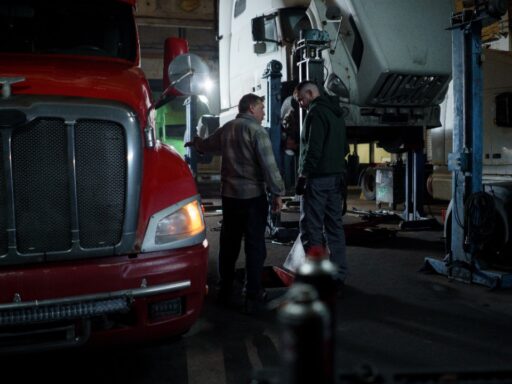
Preventive inspections can help identify issues before they become safety risks. Drivers and maintenance teams may notice warning signs such as unusual steering behavior, vibration, uneven handling, or changes in vehicle response.
Why Commercial Truck Maintenance Matters
A recall repair addresses a known manufacturing concern, but regular maintenance remains essential for long-term truck safety.
Commercial trucks experience intense operating conditions compared with typical passenger vehicles. Long hours on highways, heavy loads, rough roads, and constant vibration place stress on steering, suspension, braking, and drivetrain components.
Organizations such as the Federal Motor Carrier Safety Administration (FMCSA) emphasize the importance of vehicle maintenance standards for commercial motor carriers operating in the United States.
Proper inspection programs help ensure that safety-critical systems continue performing correctly throughout the vehicle’s operating life.
What Truck Owners Should Do
Owners and fleet managers should verify whether their vehicles are included in the recall campaign. If a truck is affected, the recommended repair should be completed as soon as possible through an authorized Volvo Trucks service location.
The repair process typically involves inspecting the steering components and tightening or replacing affected parts if necessary. According to recall information, Volvo Trucks will notify owners and provide instructions for corrective action.
Operators should avoid ignoring recall notices because safety issues can worsen over time. Completing recall repairs protects drivers, other road users, cargo, and business operations.
The Bigger Lesson for the Trucking Industry
The Volvo steering recall demonstrates how important every component is in commercial transportation. Large trucks depend on thousands of interconnected parts, and even a small assembly issue can create significant safety concerns.
For manufacturers, recalls provide an opportunity to improve production processes and strengthen quality control. For fleet operators, they reinforce the importance of maintenance, inspections, and staying informed about safety campaigns.
Heavy-duty trucks are designed for millions of miles of operation, but reliability depends on continuous attention to detail. A strong maintenance culture combined with timely recall responses helps ensure that commercial vehicles remain safe, efficient, and dependable.
As transportation networks continue expanding, safety remains the foundation of the trucking industry. The Volvo recall serves as a reminder that protecting drivers and communities requires constant monitoring, engineering improvements, and responsible vehicle ownership.