
Parts of the United Kingdom are moving closer to official drought conditions after an exceptionally dry start to July intensified pressure on rivers, reservoirs, farms and public water supplies.
The most serious conditions are concentrated across England, where eight Environment Agency regions have entered “prolonged dry weather” status—the stage immediately below drought. Devon, Cornwall and the Isles of Scilly became the latest area to move into that category after low rainfall, declining river flows and repeated periods of unusually high temperatures.
July has delivered only around 3 percent of England’s long-term average rainfall through July 16. National reservoir storage has dropped to 78.8 percent, approximately five percentage points below the seasonal average, while most monitored rivers are flowing at below-normal levels or worse. The latest figures are available in the Environment Agency’s weekly dry-weather report.
No English region had officially entered drought status at the time of the report. However, widespread hosepipe restrictions, dry soils and limited rainfall forecasts indicate that conditions could deteriorate further without a sustained change in the weather.
What “Prolonged Dry Weather” Means
Prolonged dry weather is an official stage within the Environment Agency’s drought framework.
It does not mean an area has already entered drought. It indicates that rainfall, river flows, groundwater, reservoir levels or environmental conditions have deteriorated enough to require closer monitoring and early action.
Authorities may increase communication with water companies, farmers, environmental groups and navigation operators. They may also consider changes to abstraction licences, additional river monitoring and measures to protect wildlife.
A formal drought designation is generally introduced when dry conditions begin causing more serious and widespread impacts on water supplies, agriculture or the natural environment.
The categories are not determined by rainfall alone. Officials examine several indicators, including soil moisture, groundwater recharge, reservoir storage, river flows and demand for treated water.
This means an area can experience hosepipe restrictions before being officially declared in drought. A water company may impose a temporary use ban because of intense local demand or pressure on its distribution system even when the wider Environment Agency region remains below drought status.
Eight English Regions Are Now Under Greater Pressure
Dry conditions have spread rapidly across England since the beginning of summer.
Parts of East Anglia were among the first areas to move into prolonged dry weather after a dry spring. The status later expanded into additional regions, including parts of the south-east, Thames, Wessex, Solent and South Downs.
Devon, Cornwall and the Isles of Scilly moved into prolonged dry weather on July 16. The Environment Agency said the decision reflected low rainfall, reduced river flows, high temperatures and growing environmental stress following England’s warmest spring on record and several summer heatwaves.
The change is significant because south-west England had earlier been placed on a watchlist rather than being considered one of the most severely affected areas.
Its move into the higher-risk category shows how quickly water conditions can change when heat increases evaporation and public demand while rainfall remains limited.
The driest soils are currently found across eastern, south-eastern and central England. By July 9, every English region had drier-than-average soil conditions for the time of year.
Reservoir Levels Are Continuing to Decline
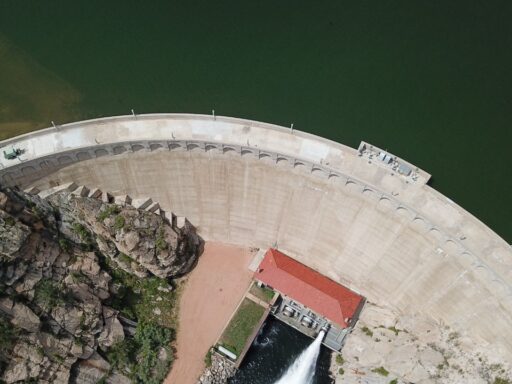
England’s overall reservoir storage fell to 78.8 percent during the week ending July 16.
That remains well above empty, but national percentages can hide severe local differences. Some reservoirs may be close to average, while others serving densely populated or unusually dry areas can be under considerably greater pressure.
Reservoirs usually decline during summer because households, farms and businesses use more water while rainfall and river inflows decrease.
A dry winter can create serious summer problems because reservoirs and groundwater sources rely heavily on cooler-season rainfall for replenishment. In the current situation, the wet winter helped many areas begin spring in a healthier position, but that advantage has been eroded by record warmth and persistent dryness.
The speed of the decline matters as much as the current level. Storage across England was approximately 83 percent around July 9 before falling below 79 percent one week later.
If the decline continues through August, water companies may need to introduce further restrictions or apply for drought permits allowing them to take additional water from certain sources.
Hosepipe Bans Are Affecting Millions of People
Temporary use bans are already operating across several water-company regions.
South East Water introduced restrictions for customers in Kent on July 3 after sustained high temperatures and near-record demand for treated drinking water. The company’s Kent hosepipe-ban guidance explains which activities are restricted and which exemptions continue to apply.
Anglian Water introduced a ban for most of its customers on July 11, while Affinity Water’s central region followed on July 17. Thames Water also announced restrictions affecting more than 10 million customers across London and the Thames Valley. Collectively, current bans affect roughly 23 million people in England and Wales.
In west Wales, Dŵr Cymru Welsh Water introduced a hosepipe ban affecting approximately 33,000 properties from July 19 after exceptionally high demand placed pressure on local supply systems. The company’s official restriction page provides the affected locations and permitted exemptions.
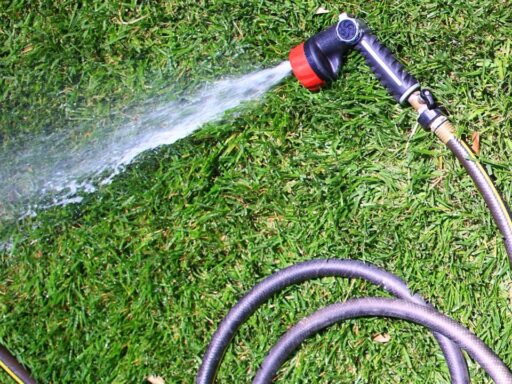
Hosepipe bans normally restrict non-essential uses such as watering gardens, washing private vehicles, cleaning patios and filling swimming pools. Watering cans and buckets can generally still be used, while exemptions may apply for disability needs, animal welfare and certain newly planted trees.
High Demand Is Adding to the Rainfall Problem
Low rainfall is only one side of the pressure on water supplies.
Demand rises sharply during heatwaves as households use more water for gardens, paddling pools, showers and hydration. Farms also require more irrigation, while livestock need greater quantities of drinking water.
Thames Water reported that demand within its region had increased by around 100 million litres per day—roughly equivalent to the consumption of a city the size of Manchester.
Water-treatment plants and local pipe networks have maximum operating capacities. Even when the wider region holds sufficient raw water, intense demand can empty local storage tanks faster than they can be replenished.
This is why a temporary use ban may be described as a demand-management measure rather than proof of a regional drought.
Reducing peak consumption gives treatment facilities time to recover and helps maintain pressure for essential household use, hospitals and firefighting.
Rivers Are Showing Signs of Stress
River flows have continued to fall across most of England.
Lower water levels can raise water temperatures, reduce oxygen and concentrate pollutants. Fish and invertebrates may become trapped in isolated pools, while aquatic plants and habitats can deteriorate.
Environment Agency teams may carry out fish rescues, install aeration equipment or restrict abstraction from vulnerable rivers when conditions become severe.
Low flows also affect canals and navigation. Locks require water each time boats pass through, so navigation authorities may restrict operating hours or close sections to conserve limited supplies.
Wildlife impacts can develop before drinking-water supplies are threatened. An area may therefore move toward drought because rivers and wetlands are deteriorating even when taps continue operating normally.
The Environment Agency’s weekly assessment says most river-flow monitoring sites are now below normal or lower, reflecting the continuing absence of meaningful rainfall.
Farmers Are Facing Reduced Yields and Irrigation Limits
Agriculture is among the first industries to feel prolonged dry weather.
Spring crops have experienced heat stress, while dry soils can restrict plant growth and reduce yields. Farmers growing vegetables, potatoes and fruit may depend on irrigation at the same time that river levels and licensed water availability are falling.
The Environment Agency previously reported that some agricultural reservoirs were only 50 to 60 percent full and that irrigation demand was already high.
Livestock farmers may also face poor grass growth and reduced availability of forage. That can force them to begin using winter feed earlier or purchase additional supplies.
Harvesting has started early in some areas because crops matured rapidly during the hot, dry conditions. An early harvest does not necessarily mean a successful one; grain may have developed before reaching its expected size.
Water restrictions can also create tension between agriculture, household supply and environmental protection. During drought, authorities may need to decide how limited river and groundwater resources should be shared.
Wildfire Risk Has Increased
Dry vegetation has contributed to a significant rise in wildfire risk.
England recorded dozens of wildfires during the prolonged hot and dry period, while separate fires affected Scotland and other parts of Europe. Dry grass, heathland and woodland can ignite easily and allow flames to spread quickly during windy conditions.
Rainfall does not immediately remove the danger. A short shower may wet the surface while leaving deeper vegetation and soils dry.
Fire services advise people not to use disposable barbecues on dry grass, discard cigarettes carelessly or leave broken glass that could contribute to ignition.
Wildfires can further worsen water problems by damaging peatland and vegetation that normally help landscapes store moisture. Ash and soil may later wash into rivers and reservoirs when rainfall returns.
Meaningful Rain Is Needed, Not Just Brief Showers
Recent cooler weather has reduced immediate heat stress, but it has not restored water resources.
Scattered showers can temporarily improve gardens and the upper layer of soil. They may have little effect on groundwater, reservoirs or rivers unless they are widespread and sustained.
The Met Office said dry conditions were likely to continue across many areas after weeks of hot weather, although some regions could receive occasional unsettled spells. Its forecast analysis explains why short periods of rain may not be enough to reverse accumulated deficits.
Heavy thunderstorms can also be inefficient for drought recovery. Water may run rapidly from baked soil into drains and streams rather than soaking deeply into the ground.
A gradual period of moderate rainfall is generally more useful because it allows soil moisture, rivers and groundwater to recover without causing flash flooding.
Climate Change Is Increasing the Pressure
One dry summer cannot be attributed entirely to climate change, but rising temperatures increase the likelihood and severity of water shortages.
Warmer weather raises evaporation from soils, rivers and reservoirs. Plants lose more moisture, and people use more water for cooling and gardens.
The UK’s rainfall pattern is also becoming more variable. Wetter winters can occur alongside hotter, drier summers, creating a difficult management problem: water arrives at times when storage systems cannot always capture enough of it for later use.
The Met Office says climate extremes are becoming increasingly characteristic of the UK. Its latest assessment notes that spring and summer 2025 delivered less than 40 percent of average rainfall in the driest locations, while the country has also experienced more record heat.
Climate change does not guarantee drought every summer. It means hot dry periods can create faster soil-moisture loss and greater water demand than similar rainfall deficits would have produced in the past.
Water Leaks Remain Part of the Debate
Households are being asked to reduce consumption, but water companies are also under pressure to address leakage.
Large quantities of treated water are lost through aging pipes before reaching customers. Environmental groups argue that restrictions become harder to justify when companies have not reduced leaks sufficiently or invested quickly enough in new infrastructure.
Water companies respond that pipe networks contain thousands of kilometres of buried infrastructure and that leaks are not always visible or easy to repair.
Both actions are necessary. Reducing household demand can relieve immediate pressure, while leak reduction, reservoirs, transfers and improved water efficiency determine long-term resilience.
Drought planning is therefore not only about individual behaviour. It involves infrastructure investment, agricultural policy, environmental protection and decisions about housing growth.
What Happens If Conditions Worsen?
If rainfall remains limited, additional Environment Agency regions may move from prolonged dry weather into drought.
Water companies could expand hosepipe bans, apply for drought permits or request drought orders. These measures can allow increased abstraction, reduced compensation flows to rivers or tighter restrictions on non-essential water use.
The most severe restrictions, such as standpipes or limits on ordinary household use, occur only during extreme supply emergencies and are not currently expected across the affected regions.
Authorities will continue monitoring reservoir storage, groundwater, river flows, weather forecasts and demand.
The National Drought Group, which includes government agencies, water companies, farmers, environmental organizations and the Met Office, is meeting regularly throughout the summer to coordinate the response.
The UK Is Not in Nationwide Drought But the Warning Signs Are Clear
It would be inaccurate to say that the entire United Kingdom is experiencing drought.
The formal Environment Agency classifications apply to England, while Scotland, Wales and Northern Ireland operate under separate monitoring and management systems. Conditions also vary greatly between regions.
Nevertheless, the warning signs are becoming increasingly widespread.
Eight English regions are in prolonged dry weather, reservoir storage is falling, most river flows are below normal and millions of households are already subject to restrictions. Parts of Wales are also imposing local bans after exceptionally high demand.
A few wet days could provide temporary relief, but reversing the current position would require sustained rainfall across the most affected catchments.
The UK has not yet reached a nationwide water emergency. Without meaningful rain, however, parts of England now appear much closer to formal drought than they did at the beginning of summer.