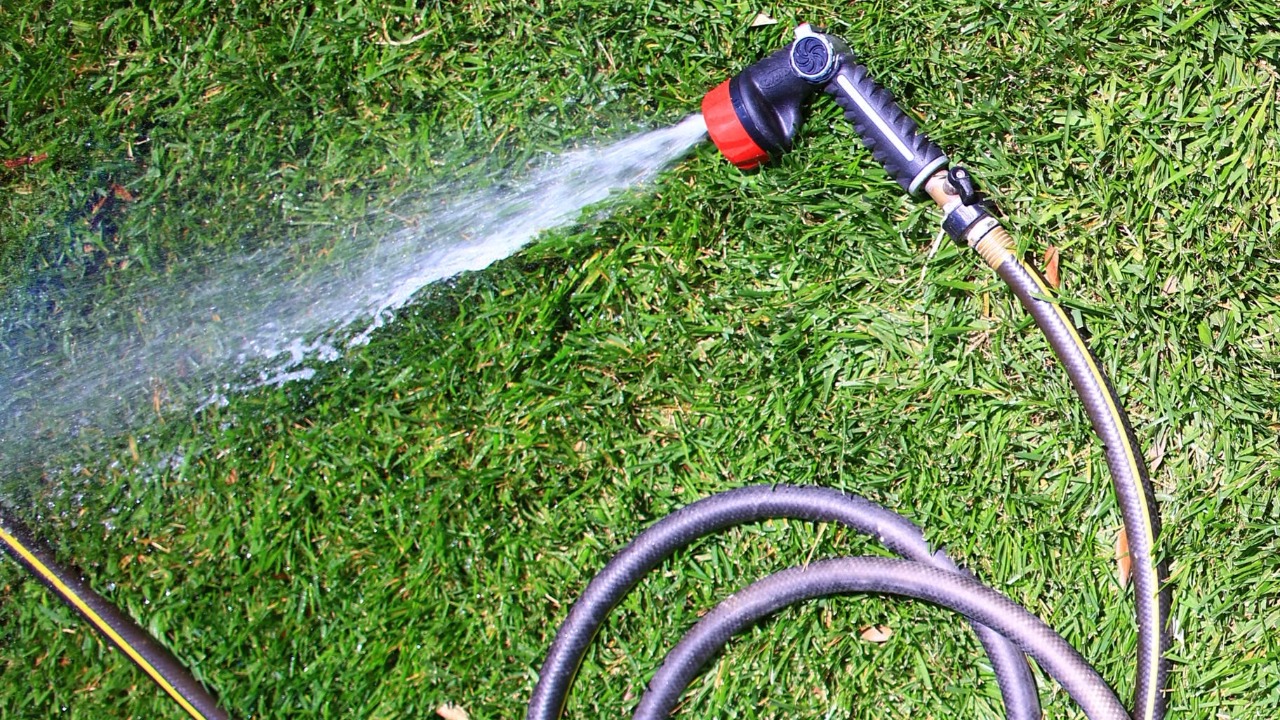

Millions of households across England and Wales are now subject to hosepipe restrictions following prolonged dry weather, repeated heatwaves and unusually high demand for treated water.
Whether a ban applies depends on the company supplying drinking water to the property—not simply the county, council area or postcode town. Neighbouring homes can occasionally have different rules when they are served by separate water companies.
As of July 2026, restrictions are operating across large parts of the Anglian Water, Thames Water, Affinity Water and South East Water regions, along with a smaller area supplied by Dŵr Cymru Welsh Water in west Wales. The boundaries and exemptions differ between companies, so residents should confirm their status directly with their supplier before using a hosepipe.
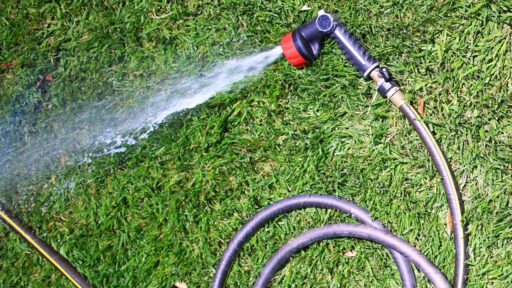
A temporary use ban normally prohibits hosepipes, sprinklers and pressure washers for activities such as watering gardens, cleaning private vehicles and filling paddling pools. Watering cans and buckets can generally still be used.
How to Check Whether Your Home Is Included
The fastest way to check is to identify the company that supplies drinking water to the property and enter the postcode on its official restriction page.
The company collecting the wastewater bill is not always the company supplying tap water. This is particularly relevant in areas served by Thames Water for sewerage but another company for drinking water.
A recent bill should show the supplier’s name. Residents can then visit the supplier’s official website for a postcode checker, map or list of affected areas.
The result should be checked again before using a hosepipe because restrictions can begin, expand or end with relatively little notice.
General news reports are useful for identifying the wider regions involved, but the water company’s current notice is the most reliable source for a particular address.
Anglian Water Has Restrictions Across Most of Its Region
Anglian Water introduced a temporary use ban from 1:01 a.m. on Saturday, July 11, 2026.
The restrictions cover most customers in its East of England service area, excluding a small section around Hartlepool. The affected territory includes large parts of Cambridgeshire, Norfolk, Suffolk, Essex, Northamptonshire, Lincolnshire and neighbouring areas.
The company’s official hosepipe-restriction page confirms that the ban is legally enforceable and explains which uses remain permitted.
Anglian Water introduced the restrictions following weeks of hot, dry weather and exceptional demand. Although the region contains reservoirs and groundwater sources, high household consumption can place additional pressure on treatment works and the distribution network.
Customers should not assume they are excluded simply because they live outside a major town. The ban applies across most of the company’s supply region rather than only to locations experiencing visibly low reservoir levels.
South East Water’s Ban Covers Its Kent Supply Area
South East Water introduced restrictions for customers in Kent from 12:01 a.m. on July 3.
The company says the ban applies to its Kent supply area and was introduced after sustained high temperatures drove demand for treated water to near-record levels.
The restriction does not automatically cover every South East Water customer in all counties. Residents should use the company’s Kent hosepipe-ban information to confirm whether their address falls inside the affected supply zone.
The rules prevent customers from using hosepipes for most garden watering, private-car washing, patio cleaning and filling domestic swimming or paddling pools.
South East Water also maintains a current water-status page containing updates on restrictions and local supply issues.
Affinity Water Restrictions Affect Parts of Central and Eastern England
Affinity Water introduced legal hosepipe restrictions from Friday, July 17, across affected parts of its supply territory.
Its network covers sections of Hertfordshire, Bedfordshire, Buckinghamshire, Essex, Surrey, north London and neighbouring areas. However, not every property within those counties necessarily receives drinking water from Affinity.
Local boundaries can be surprisingly complicated. For example, most of the Epping Forest district is affected by the Affinity Water ban, while Chigwell, Buckhurst Hill, Loughton and Waltham Abbey are supplied by Thames Water and may follow different arrangements.
This is why checking the supplier and postcode is more reliable than relying on the name of the local authority.
Thames Water Customers Should Check the Current Ban Page
Thames Water has introduced temporary hosepipe restrictions for customers whose drinking water is supplied by the company.
Its official temporary hosepipe-ban page states that the restrictions cover hosepipes, sprinklers and pressure washers. Watering cans, buckets and stored rainwater can still be used.
The ban applies only to drinking-water customers. Properties receiving wastewater services from Thames Water but drinking water from another supplier must follow the rules of their actual water provider.
This distinction is particularly important around the edges of the Thames region, where multiple suppliers operate.
Thames Water says restrictions will remain in place while water levels and weather conditions are monitored. Customers should therefore check the current page rather than relying on details from the 2025 ban, which covered different areas and was later lifted.
A Hosepipe Ban Is Operating in Parts of West Wales
Dŵr Cymru Welsh Water introduced a temporary ban from 10 a.m. on Sunday, July 19, affecting approximately 33,000 properties in parts of west Wales.
The restrictions were introduced following exceptionally high drinking-water demand in the affected area. The company’s current hosepipe-ban page provides the boundary information and customer guidance.
The ban does not cover all Welsh Water customers or the whole of Wales. It is concentrated in the specified west Wales supply zone, including affected parts of mid and south Ceredigion.
Residents elsewhere in Wales should not assume that the same restrictions apply, although water companies may still request voluntary conservation during hot and dry weather.
What Activities Are Normally Prohibited?
A hosepipe ban is formally known as a temporary use ban.
It usually prevents domestic customers from using a hosepipe or anything connected to one for watering gardens, washing private cars, cleaning patios and windows, filling swimming or paddling pools and operating ornamental fountains.
A pressure washer is generally treated as hosepipe use because it is attached to the mains water supply through a hose.
The restriction applies to the method rather than always prohibiting the activity itself. A person may usually wash a car using buckets or water plants with a watering can.
Ofwat’s guidance on temporary use bans explains that breaking the rules can result in a fine of up to £1,000.
The precise list varies slightly between suppliers, so customers should read the notice issued for their own area.
Can Gardens Still Be Watered?
Gardens can normally still be watered with a watering can, bucket or water collected in a water butt.
A hosepipe connected directly to a household supply is generally prohibited, even when it is fitted with a trigger nozzle or used for only a short period.
Some companies provide exemptions for newly planted trees, newly laid turf or plants grown for sale. Anglian Water, for example, allows hosepipe watering of newly laid turf during an initial establishment period when watering cannot reasonably be completed by another method.
Exemptions should not be assumed. A customer should confirm that the activity appears in the official list before using the hose.
Using grey water from washing vegetables or collecting shower water can help protect plants without increasing treated-water demand. Watering early in the morning or late in the evening also reduces evaporation.
Are Disabled or Vulnerable Customers Exempt?
Some customers may qualify for exemptions when a restriction would create difficulty because of age, disability or a medical condition.
This does not always mean every use of a hosepipe is permitted. The exemption may apply only to essential activities or require registration with the supplier’s Priority Services scheme.
Water companies normally publish separate guidance for blue-badge holders, people with mobility limitations and customers who require water for medical purposes.
Anyone who believes an exemption applies should contact the supplier or register through its Priority Services system before relying on it.
Commercial exemptions may also exist when hosepipe use forms an essential part of a business, such as certain professional vehicle-washing or plant-growing activities.
Can a Hosepipe Be Used With Water From a Butt?
Restrictions usually focus on water drawn from the public mains supply.
A hose connected to a rainwater butt, private borehole or other non-mains source may be allowed, provided it is not being topped up with treated mains water.
However, using an electric pump with stored water can make the source less obvious to neighbours or enforcement staff. Keeping the setup clearly connected to the water butt may avoid confusion.
Local rules should still be checked because restrictions and environmental abstraction requirements differ.
Water stored in a butt is particularly useful for gardens because plants do not need drinking-quality water.
Why Are Bans Being Introduced?
England experienced extremely limited rainfall during the first half of July, while reservoir storage and river flows continued to fall.
Heatwaves also caused a sharp increase in demand. Water companies can face problems when customers collectively use water faster than treatment works and local storage tanks can replace it.
A ban can therefore be introduced even when the region has not formally entered drought.
The Environment Agency classifies many parts of England as being in prolonged dry weather, the stage immediately below drought. It considers rainfall, river flows, groundwater, reservoir storage, environmental impacts and public-supply pressure rather than relying on one indicator.
Restrictions are intended to reduce non-essential demand so that treated water remains available for drinking, cooking, hygiene, hospitals and firefighting.
A Ban May Not Match Council or County Boundaries
Water-supply zones were created around infrastructure rather than modern administrative boundaries.
One county can contain customers of several water companies. A single town may also sit close to the edge of two supply networks.
The restrictions follow the water company’s supply area, not parliamentary constituencies, police regions or local councils.
A neighbour across the road could theoretically follow a different rule if the two properties are connected to different suppliers, although such arrangements are uncommon.
Checking the postcode through the supplier is therefore essential before deciding that a television report about a particular county applies to the home.
How Long Will Restrictions Last?
Most water companies do not provide a fixed end date when announcing a ban.
Restrictions are reviewed using rainfall, river flows, reservoir storage, groundwater levels and household demand. A brief thunderstorm is unlikely to produce enough recovery for a ban to be removed immediately.
Sustained rainfall is more valuable because it can soak into dry soil, increase river flows and begin replenishing underground sources.
Even after wetter weather returns, companies may keep restrictions in place while monitoring whether water resources are recovering.
The official supplier page should be checked regularly because the same page is normally updated when the ban changes or ends.
Check Before Turning on the Hose
The main UK restrictions in July 2026 cover most Anglian Water customers, South East Water’s Kent supply area, affected Affinity Water and Thames Water customers, and a smaller Dŵr Cymru Welsh Water zone in west Wales.
That summary cannot confirm an individual home because water-company boundaries do not follow simple county lines.
Residents should identify their drinking-water supplier, enter their postcode on its official restriction page and review the exemptions before using a hosepipe, sprinkler or pressure washer.
Watering cans, buckets and stored rainwater remain permitted in most cases. Breaking a temporary use ban without a valid exemption can lead to a fine of up to £1,000.
The safest rule is straightforward: check the supplier’s live notice first, because a restriction may apply even when the surrounding area has not formally been declared in drought.