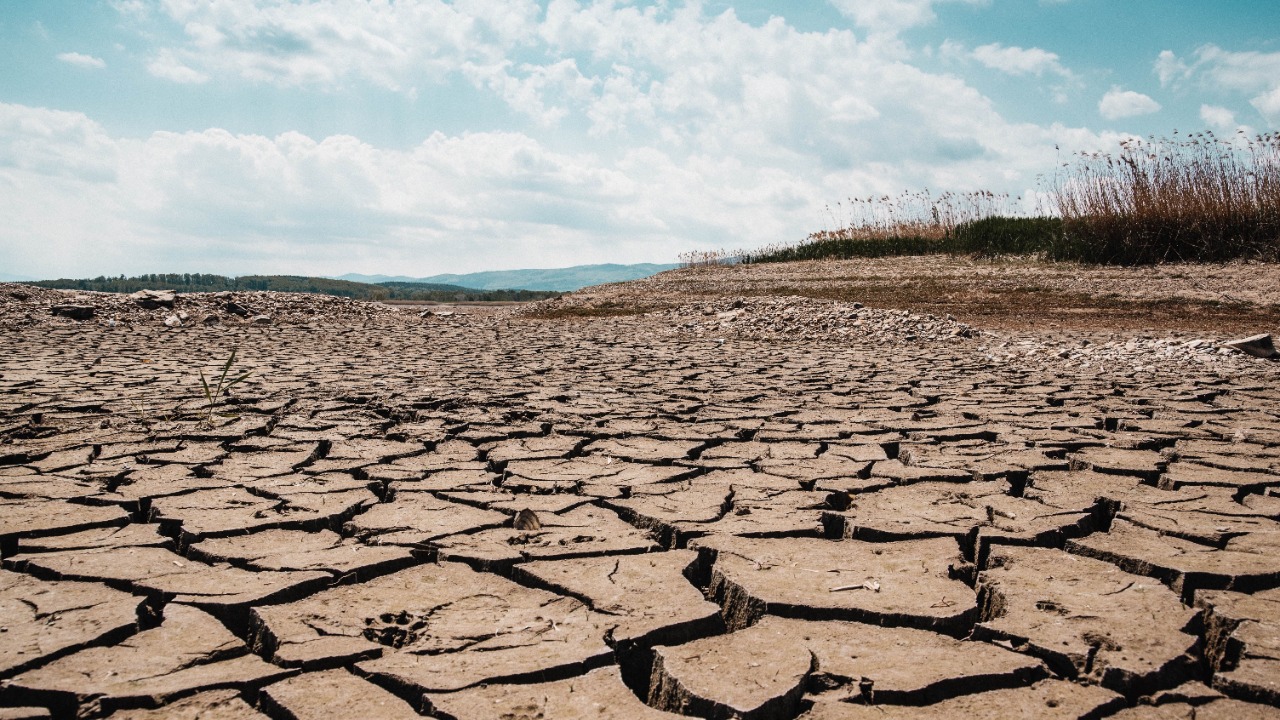

Nearly half of the contiguous United States remains in drought, exposing more than 100 million people to conditions that can affect drinking water, air quality, heat safety and mental health.
The latest national data show that drought coverage has eased from its spring peak but remains widespread. As of July 14, 2026, 46.47% of the Lower 48 states was experiencing moderate drought or worse. Across the United States and Puerto Rico, the figure stood at 38.88%, affecting approximately 118.7 million people in 45 states.
Residents can follow changing local conditions through the National Integrated Drought Information System’s current-conditions dashboard, which combines drought coverage, population exposure and regional updates.
The numbers matter because drought is not only an agricultural or environmental problem. Health officials warn that extended dry conditions can reduce water quality, increase exposure to wildfire smoke and dust, intensify dangerous heat and worsen financial and psychological stress.
The National Drought Has Improved but Remains Extensive
The drought footprint has changed considerably during the summer. In early June, 56.16% of the Lower 48 was in drought, while nearly 47% of the United States and Puerto Rico was affected. By mid-July, heavy rainfall had brought improvement to parts of the South, Southeast and Lower Midwest.
However, improvement in one region does not eliminate the national threat. Drought worsened recently across parts of the Northwest, Northern Plains and Upper Midwest, where extreme heat and continued rainfall deficits removed moisture from soils and vegetation.
The U.S. Drought Monitor updates its map every Thursday and classifies conditions from moderate drought through exceptional drought. Its latest map shows that dry conditions remain widespread even though national coverage has fallen below earlier levels.
NOAA’s seasonal outlook indicates that almost half of the Lower 48 remained in drought in early July. Some areas may receive temporary relief, but hotter and drier conditions could expand drought across the Northwest and western Dakotas. Parts of the Upper Midwest may also remain vulnerable, while drought could be slow to ease across the Carolinas.
The Cities Facing the Most Immediate Pressure
There is no single official federal ranking that identifies one definitive list of the “most at-risk” cities. Risk depends on the severity of local drought, the reliability of the water system, exposure to extreme heat, wildfire potential and the number of residents who are medically or economically vulnerable.
However, several large metropolitan areas face clear concerns because they depend heavily on stressed river basins and reservoirs.
Phoenix, Las Vegas and Los Angeles all rely partly on the Colorado River system. Lake Powell was reported at about one-quarter of capacity in spring 2026, adding pressure to a water system that supports cities, agriculture and industries across several Western states.
Salt Lake City and other Utah communities have also faced heightened concern. Utah entered the warmer season with exceptionally low snowpack, limiting the amount of mountain runoff available to replenish streams and reservoirs.
Cities in Washington are dealing with a different version of the problem. The state declared another drought emergency in April 2026, making this its fourth consecutive statewide drought emergency. The declaration allowed emergency assistance to be directed toward public water systems and communities facing supply problems.
Smaller communities may face even greater immediate danger than major cities. Mathis, Texas, depends on Lake Corpus Christi for drinking water and has been searching for alternatives as reservoir levels approach the point where the existing intake system may struggle to draw usable water.
Drought Can Change Drinking-Water Quality
Municipal tap water does not automatically become unsafe when drought begins. Public water utilities must continue meeting treatment and testing standards.
The challenge is that shrinking reservoirs and declining groundwater can concentrate substances already present in the water. These may include salts, nitrates, arsenic, bacteria and toxins produced by harmful algal blooms.
Low water levels can also force utilities to draw water from different depths or use sources that are more difficult and expensive to treat. Systems with limited infrastructure may have fewer options when their usual source becomes unreliable.
People who use private wells face a different level of responsibility because private wells are generally not monitored in the same way as public systems. Drought can lower the water table, reduce well output and alter contaminant concentrations.
The Environmental Protection Agency’s drinking-water resources explain how public water is regulated and provide information for households concerned about source-water quality.
Private-well users in drought-affected regions should follow local health-department guidance and consider testing for contaminants associated with their area. A well that still produces clear-looking water is not necessarily free from bacteria, nitrates, arsenic or other invisible hazards.
Heat Becomes More Dangerous During Drought
Drought and extreme heat frequently reinforce one another. Dry soil and reduced vegetation leave less moisture available for evaporation, allowing more solar energy to heat the land and surrounding air.
The effect can be especially serious in cities, where pavement, roofs and other built surfaces already trap heat. Urban residents without air conditioning, reliable transportation or access to cooling centers may face higher exposure.
Older adults, infants, people with heart or lung conditions, outdoor workers and those taking certain medications are among the groups most vulnerable to heat illness.
The National Weather Service’s heat-safety guidance explains the warning signs of heat exhaustion and heat stroke. Confusion, loss of consciousness, very high body temperature or hot skin can signal a medical emergency requiring immediate assistance.
Drought can also complicate heat protection by increasing pressure on water supplies and electricity systems during periods of very high demand.
Wildfire Smoke and Dust Can Harm the Lungs
Dry vegetation burns more easily, and drought can increase the likelihood that wildfires ignite and spread rapidly. Smoke may then travel hundreds or even thousands of miles beyond the fire itself.
Fine particles in wildfire smoke can penetrate deep into the lungs and may worsen asthma, chronic obstructive pulmonary disease and cardiovascular conditions. Dry landscapes can also create dust storms that irritate the eyes, throat and airways.
Federal drought-health guidance notes that poor air quality during drought can aggravate existing respiratory conditions. Dry and dusty soil may also increase exposure to the fungus that causes Valley fever in parts of the American West.
Residents can check current smoke and pollution levels through AirNow, which provides air-quality readings and forecasts for hundreds of U.S. cities.
People at higher medical risk may need to limit outdoor activity when air-quality levels become unhealthy and follow advice from local officials or healthcare professionals.
Drought Can Increase Disease Risk
Reduced water availability can create conditions that support certain diseases. Smaller or stagnant water sources may become more favorable to mosquitoes, while concentrated contaminants can increase concerns about unsafe recreational or drinking water.
A prolonged dry period followed by sudden heavy rain may create another hazard. Runoff can carry animal waste, agricultural chemicals and other pollutants into rivers or reservoirs. In some situations, treatment systems may be strained by the rapid change in water quality.
The health effects therefore do not necessarily end as soon as rain returns. A strong storm may improve soil moisture while temporarily worsening flooding, contamination or waterborne-disease risks.
Mental Health Is Part of the Drought Emergency
The psychological effects of drought can be less visible than empty reservoirs, but they can be severe.
Farmers, ranchers and rural families may face crop losses, livestock decisions, rising costs and uncertainty about whether their businesses can survive another dry season. Communities dependent on agriculture may experience broader economic stress when drought reduces local income.
Federal drought-health resources link sustained drought with anxiety, depression, mood disorders and increased suicide risk in heavily affected communities.
These risks are one reason health agencies treat drought as a public-health concern rather than only a weather event.
What Residents Should Watch Now
Drought conditions can change quickly at the regional level, so residents should rely on local information rather than national percentages alone.
Water-utility notices, boil-water advisories, well-testing recommendations, heat alerts and air-quality forecasts provide the most relevant guidance for an individual household.
People living in affected areas should also follow local water restrictions. These rules are intended to preserve enough supply for drinking, sanitation, firefighting and essential services.
The national outlook suggests that some regions will continue improving, while others may experience persistence or renewed development later in the season.
Although the latest figures show less drought than in early June, nearly half of the Lower 48 remains affected. For cities dependent on stressed rivers, shallow reservoirs or vulnerable groundwater, that means the health threat is not over.