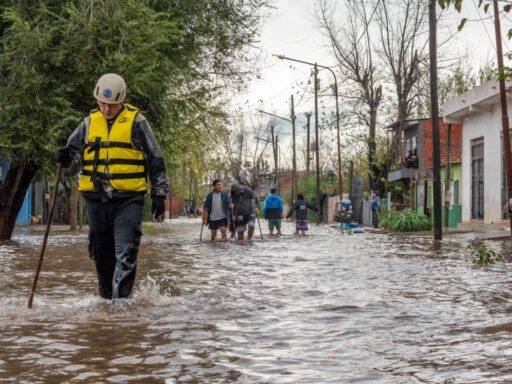

A rain-triggered landslide tore through a mountainous community near Chongqing in southwestern China, killing at least eight people and leaving 34 others missing beneath enormous quantities of rock, mud and shattered buildings.
The disaster struck Pengshui Miao and Tujia Autonomous County at approximately 9:08 a.m. local time on July 17, 2026. More than 10 residential buildings were buried as part of a rain-soaked hillside collapsed near the Wujiang River, forcing over 1,100 residents to leave the surrounding area.
Ten people were rescued and taken to hospitals, including two reported to be seriously injured. Search teams continued working through unstable terrain and persistent rain as families waited for news about those still unaccounted for.
Heavy Rain Sent Rock and Soil Down the Mountainside
Authorities said the landslide contained approximately 18,000 cubic meters of rocks and debris. The largest individual boulder was estimated at around 3,000 cubic meters, making it larger than some multistory buildings at the site.
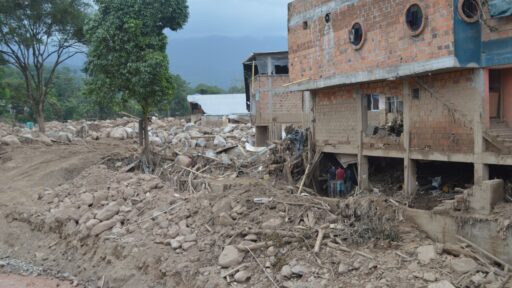
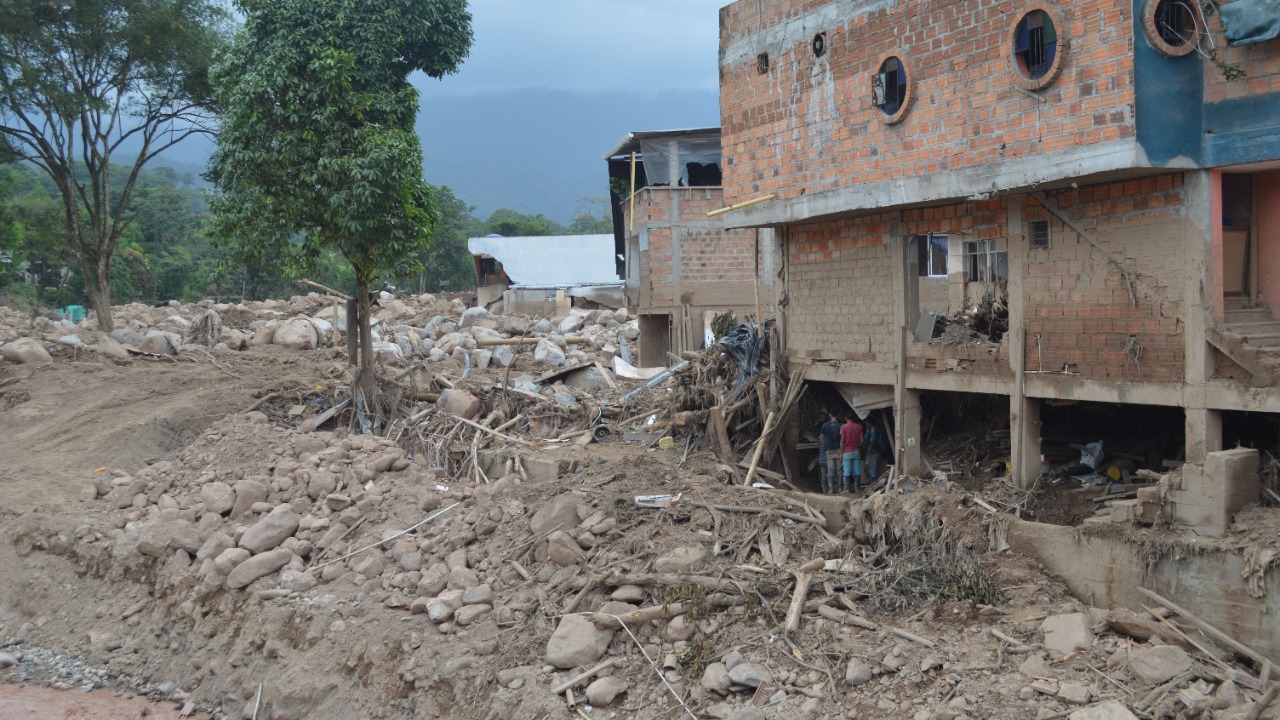
Images from the area showed homes crushed beneath massive rocks, debris scattered across the steep slope and at least one vehicle partially buried beside a damaged building. The scale of the individual boulders created an unusually difficult search environment because rescuers could not simply remove the material with ordinary excavation equipment.
Officials believe persistent heavy rainfall played a major role in destabilizing the hillside, although a formal investigation into the exact cause remains underway. Rainwater can seep into cracks and loose soil, adding weight while reducing the friction that helps hold a slope in place.
Once enough material becomes unstable, gravity can send rock and soil downhill with little warning. The U.S. Geological Survey’s landslide information explains how prolonged or intense rainfall can increase pore-water pressure inside a slope and contribute to sudden failure.
Residents Noticed Warning Signs Before the Collapse
Some people living near the affected hillside reportedly noticed small falling rocks and unusual sounds before the main collapse. Local authorities began issuing evacuation instructions roughly an hour before the landslide, which may have prevented a considerably higher death toll.
However, not everyone was able to leave before the hillside gave way. Homes positioned directly beneath the unstable slope were struck by rocks and soil powerful enough to crush roofs, walls and entire structures.
Early warning signs of a potential landslide can include new cracks in the ground, tilting trees or utility poles, doors that suddenly stop closing properly and unusual sounds such as cracking, rumbling or falling stones.
These signs do not always lead to a major collapse, but residents in steep terrain should treat rapid changes seriously during prolonged rain. Guidance from the Ready.gov landslide safety page advises people to remain alert to unusual sounds and move away from the path of a suspected slide when it is safe to do so.
Hundreds of Rescuers Were Deployed
A large emergency operation was launched after the disaster. More than 800 personnel were reportedly mobilized, including firefighters, national rescue teams, medical workers and local emergency crews. Drones were used to survey the unstable slope and identify possible search areas without immediately exposing rescuers to further collapse.
Search dogs were also brought to the site as teams attempted to detect survivors beneath broken buildings and debris. Rescue crews faced the difficult task of moving through a steep, rain-soaked area where additional rocks could fall without warning.
China’s Ministry of Emergency Management declared a level-two national emergency response for geological disasters. Around 100 ministry personnel and approximately 200 fire-rescue workers were among the teams dispatched during the early response.
The operation was complicated by continued rainfall that softened the ground and increased the threat of secondary landslides. Rain later eased enough for crews to expand inspections and begin planning how to break apart the largest boulders.
Breaking the Largest Boulders Will Take Time
Several rocks at the site were too large to move intact. Rescue planners said they expected to drill into some of the biggest boulders and break them into smaller sections once searches in nearby spaces were completed.
That process must be carried out carefully. Heavy drilling, cutting or lifting equipment can cause debris to shift, potentially endangering survivors trapped in air pockets or injuring rescuers working below.
Teams must first determine whether voices, heat signals, movement or other evidence suggests someone is still alive beneath a specific section. Structural specialists may also need to stabilize surrounding material before machinery can be used.
Time is critical in any building-collapse rescue, but speed has to be balanced against the possibility of triggering another collapse. This is particularly challenging when the debris includes natural rock formations weighing thousands of tons rather than only broken construction materials.
More Than 1,100 People Were Relocated
Authorities moved over 1,100 residents away from the affected area because of the continuing risk of additional landslides. Temporary shelters and emergency supplies were provided as officials assessed nearby slopes and damaged infrastructure.
Water, electricity and gas supplies were reportedly shut down within approximately one kilometer of the disaster zone. Such shutdowns can reduce the risk of fire, electrocution and broken utility lines, although they also create immediate difficulties for residents and rescue workers.
Some residents experienced water shortages while volunteers distributed food, bottled water and other essential supplies. More than 13,000 relief items, including emergency beds and tents, were sent to support affected families.
China’s National Development and Reform Commission allocated 30 million yuan, approximately $4.4 million, for emergency recovery and the restoration of damaged infrastructure.
The Mountainous Terrain Increased the Danger
Pengshui County sits in a rugged section of southern Chongqing near the Wujiang River. The landscape contains steep hillsides, narrow valleys and settlements built close to slopes and waterways.
This geography can make communities vulnerable when intense rainfall saturates the ground. Rivers may rise while unstable hillsides release rock, soil and vegetation into homes or roads below.
Mountain roads are also difficult to keep open during prolonged rain because smaller landslides can block access routes needed by ambulances and heavy rescue equipment. Even when the main disaster site is reachable, moving machinery across steep, damaged ground can slow operations.
China experiences thousands of geological hazards each year, including landslides, debris flows and rockfalls. The risk often increases during the summer rainy season, especially in mountainous provinces and municipalities across the southwest.
Why Rain-Triggered Landslides Can Be So Sudden
A hillside may appear stable even as water gradually accumulates beneath the surface. During heavy rain, soil absorbs moisture until it becomes heavier and weaker.
Water can also move along underground layers of rock or clay, creating a slippery surface between stronger and weaker materials. Once the resisting strength of the slope falls below the force pulling it downward, the entire mass can move suddenly.
Vegetation sometimes helps stabilize shallow soil through its roots, but it cannot stop every deep landslide. Road construction, excavation, drainage changes and erosion may also affect slope stability, although officials had not established whether any of those factors contributed to the Pengshui disaster.
The World Health Organization’s landslide overview notes that landslides can cause deaths through trauma, suffocation and entrapment while also damaging water systems, healthcare facilities and transportation routes.
President Xi Ordered an Urgent Search
Chinese President Xi Jinping called for comprehensive search-and-rescue efforts and instructed authorities to investigate the cause of the collapse. Officials were also directed to identify continuing risks and prevent additional casualties.
The order came as rescuers continued searching for 34 missing residents. The official casualty count may change as crews gain access to buildings and debris that remained unreachable during the early response.
Authorities are also expected to inspect nearby slopes and determine whether additional homes must remain evacuated. A landslide can change drainage channels and remove support from adjacent terrain, leaving surrounding areas unstable even after the main movement stops.
Families Wait as the Search Continues
The disaster has left dozens of families facing uncertainty while rescue teams work through dangerous and physically demanding conditions.
The confirmed death toll of eight reflects only those recovered and officially identified so far. With 34 people still missing, the human impact could grow as rescuers reach deeper sections of the buried neighborhood.
The evacuation of more than 1,100 residents and the destruction of over 10 buildings also mean that recovery will continue long after the search operation ends. Homes, utilities, roads and water systems will need to be restored, while survivors may require long-term housing and financial assistance.
For now, emergency workers remain focused on locating anyone who may still be alive beneath the rubble. The combination of enormous boulders, unstable ground and continuing rain has turned the operation into a race against both time and the damaged mountainside.