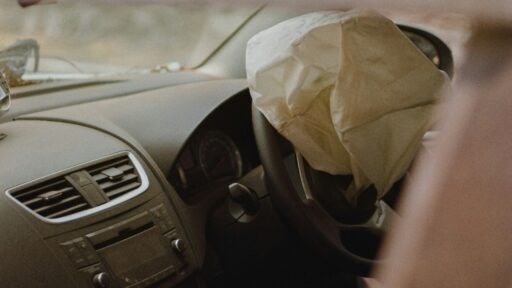
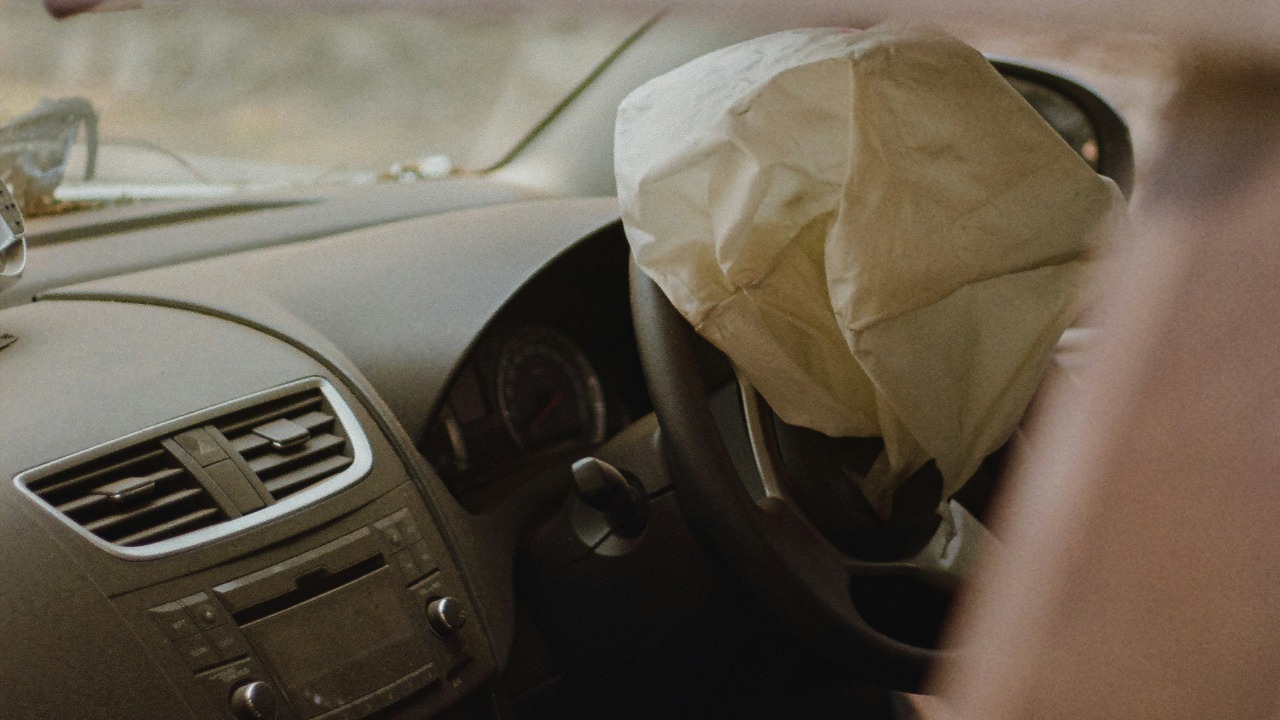

Years after the largest automotive recall in US history began, millions of vehicles may still contain defective Takata airbag inflators capable of exploding during a crash and firing metal fragments into drivers and passengers.
Approximately 67 million Takata airbags have been recalled in tens of millions of US vehicles. The National Highway Traffic Safety Administration has confirmed 28 deaths and at least 400 alleged injuries in the United States involving ruptured Takata inflators.
The danger has not disappeared simply because the recalls are old. Many affected cars are now more than 15 or 20 years old, and the risk of an inflator rupture generally increases as the defective component ages.
In February 2026, Fiat Chrysler Automobiles issued a new “Do Not Drive” warning covering every remaining Chrysler, Dodge, Jeep and Ram vehicle with an open Takata recall. The company estimated that approximately 225,000 of its affected US vehicles were still unrepaired.
How a Safety Device Can Become Deadly
An airbag inflator functions like a compact gas generator.
When sensors detect a sufficiently severe collision, the inflator creates gas that fills the airbag within a fraction of a second. The airbag cushions the occupant before they strike the steering wheel, dashboard or another hard surface.
Many recalled Takata inflators use a propellant based on phase-stabilized ammonium nitrate. Long-term exposure to heat and humidity can cause this material to deteriorate.
When a degraded inflator activates, it may burn too aggressively and create excessive pressure inside its metal housing. The housing can rupture instead of containing the reaction.
Pieces of metal may then be propelled through the airbag fabric and into the vehicle’s cabin. Drivers and passengers have suffered penetrating injuries to the face, neck and chest that resembled stab or gunshot wounds.
The airbag can rupture during a collision minor enough that the occupant might otherwise have walked away. NHTSA warns that even relatively small crashes can cause a defective inflator to explode and produce fatal or life-changing injuries.
Heat, Humidity and Age Increase the Risk
Not every recalled Takata airbag carries exactly the same level of danger.
Testing and real-world incidents indicate that risk is highest in older inflators exposed continuously to warm and humid climates. Moisture and repeated temperature changes can alter the propellant over time.
Vehicles that have spent years in Florida, Hawaii, Texas, Louisiana and other hot or humid locations may therefore be at greater risk than similar cars kept in cooler and drier regions.
Age remains important regardless of location. Many of the vehicles still awaiting repair were manufactured during the 2000s, meaning their inflators have now been exposed to environmental conditions for two decades or longer.
NHTSA prioritized the oldest vehicles in the warmest regions when replacement parts were initially limited. All scheduled Takata recalls have since been filed, and owners can obtain the required repair without charge.
Some Vehicles Carry “Do Not Drive” Warnings
A standard recall generally tells owners to arrange a repair promptly. A “Do Not Drive” warning means regulators and manufacturers consider the risk urgent enough that the vehicle should not be driven until it is repaired.
The current list includes certain older vehicles from Acura, BMW, Chrysler, Dodge, Ford, Honda, Infiniti, Jeep, Mazda, Nissan, Pontiac, Ram and Toyota. The exact status depends on the vehicle’s VIN and whether its repair has already been completed.
Some of the most dangerous components are known as Takata Alpha inflators. NHTSA previously warned that unrepaired Alpha driver airbags in certain 2001–2003 Honda and Acura vehicles had an estimated 50 percent chance of rupturing during deployment.
Affected Alpha vehicles include certain Honda Accords, Civics, CR-Vs, Odysseys and Pilots, as well as Acura 3.2TL and 3.2CL models from the early 2000s.
The broader “Do Not Drive” list also includes selected BMW 3 Series, 5 Series and X5 vehicles, older Ford Rangers and Mustangs, Mazda6 and RX-8 models, Nissan and Infiniti vehicles, and numerous Chrysler, Dodge, Jeep and Ram products.
Owners should not rely on a general model list to decide whether their own car is safe. Only a VIN search can show whether that particular vehicle still has an open recall.
FCA Expanded Its Warning in 2026
The February 2026 FCA announcement substantially widened the urgent warning for its vehicles.
The company instructed owners not to drive any remaining Chrysler, Dodge, Jeep or Ram vehicle with an unrepaired Takata recall. The warning covers selected 2003–2010 Dodge Ram pickups, 2004–2009 Dodge Durangos, 2005–2011 Dodge Dakotas, 2005–2008 Dodge Magnums and 2006–2015 Dodge Chargers.
It also covers certain 2007–2009 Chrysler Aspens, 2008–2014 Dodge Challengers, 2005–2015 Chrysler 300s and 2007–2016 Jeep Wranglers. Some Mitsubishi Raiders are included because they share components and engineering with affected Dodge trucks.
FCA said more than 6.6 million inflators in its vehicles had already been replaced, but approximately 225,000 affected US vehicles remained unrepaired when the warning was issued.
Ford and Mazda Owners Also Received Urgent Warnings
Ford and Mazda issued expanded “Do Not Drive” warnings in August 2024 for more than 457,000 vehicles that still had recalled, unrepaired Takata airbags at that time.
Ford’s warning covered certain 2004–2006 Rangers, 2005–2014 Mustangs, Ford GTs, Fusions, Edges, Lincoln MKZs and MKXs, and Mercury Milans. Mazda’s warning covered selected B-Series pickups, Mazda6 and MazdaSpeed6 sedans, RX-8 sports cars and MPV minivans.
The manufacturers offered measures including free towing, mobile repair and loaner vehicles where necessary. Owners were specifically told not to drive the affected vehicles to dealerships.
A car repaired since the warning may now be safe, but an owner should verify that the recall is listed as completed rather than assuming a previous owner arranged the work.
Why So Many Vehicles Remain Unrepaired
Takata’s recall involved 19 manufacturers, numerous airbag designs and tens of millions of vehicles produced over many years.
Many affected cars have changed ownership several times. A manufacturer may still have the address of an earlier owner, while the current driver never receives the recall letter.
Some cars have been exported, rebuilt after crashes, sold through small used-car lots or stored for long periods. Others belong to owners who dismiss the recall because the vehicle has operated normally for years.
The defect also creates no ordinary warning light, sound or noticeable change in driving performance. A dangerous inflator can remain completely hidden until the moment a collision activates it.
Recall completion tends to be lower for older cars. Owners may be reluctant to visit a dealership, believe the vehicle is worth too little to repair or incorrectly assume that a free safety recall expires.
Takata recall repairs do not expire merely because the car is old. The manufacturer’s authorized dealership should complete the approved replacement without charging the owner.
A VIN Check Takes Only a Few Minutes
The most important action is to locate the vehicle’s 17-character identification number.
The VIN is normally visible through the lower driver’s side of the windshield. It also appears on the driver’s-door label, vehicle registration, title and insurance documents.
Owners in the United States can enter it into the official NHTSA recall lookup. NHTSA recommends checking for recalls at least twice each year because new campaigns and updated vehicle information may be added over time.
Manufacturer recall websites can provide additional information and dealership contact details. The result should identify whether a Takata campaign remains open and whether the vehicle is covered by a “Do Not Drive” instruction.
A search showing an open recall means the repair has not been recorded as completed. The owner should contact an authorized dealer immediately.
Do Not Assume a Used Car Was Repaired
Used-car buyers should check the VIN before completing a purchase.
A seller may honestly believe that every recall was addressed, or may confuse an earlier dealer visit with the actual replacement. Some affected vehicles also contain more than one recalled inflator, with separate campaigns for driver and passenger airbags.
A vehicle-history report may show some recall or repair information, but the official NHTSA and manufacturer records should remain the primary sources.
Buyers should ask the dealership or seller for documentation showing that the Takata repair was completed. A verbal assurance is not enough when the defect can be fatal.
An open “Do Not Drive” recall should be resolved before the vehicle is driven away from the seller’s property.
Replacement Airbags Should Be Genuine and Approved
The approved Takata recall repair replaces the dangerous inflator or airbag module with a remedy authorized by the vehicle manufacturer.
Owners should not purchase a cheap used airbag from an online marketplace or salvage vehicle. Its history, age and recall status may be unknown.
NHTSA has separately warned about dangerous aftermarket replacement inflators marked DTN60DB. These components were reportedly installed in some vehicles after previous crashes and have caused multiple deaths. They are not linked to a car’s original VIN, meaning a standard recall search may not detect them.
A person who owns a used or rebuilt vehicle with a previous airbag deployment should have its replacement system inspected by a reputable mechanic or manufacturer dealership.
Owners must not remove the airbag cover or inspect the inflator themselves. Airbags contain explosive components and can cause fatal injuries if mishandled.
What to Do When a Recall Is Found
An owner who finds an open Takata recall should contact an authorized dealership for the vehicle’s manufacturer.
The dealer should confirm the recall, order any required parts and arrange the free repair. For vehicles under a “Do Not Drive” warning, the owner should ask about free towing, mobile service, loaner transportation or other manufacturer assistance.
The car should not be driven when the recall notice specifically says “Do Not Drive.” It should also not be driven merely because the dealership is nearby.
If a dealer refuses to perform the recall or asks the owner to pay for the required remedy, the owner should contact the manufacturer and file a complaint with NHTSA.
Disabling the Airbag Is Not a Safe Solution
Owners may wonder whether disconnecting the recalled airbag would remove the danger.
That is not an appropriate home remedy. Tampering with the system can cause accidental deployment, damage other safety equipment or leave the driver without protection in a crash.
Airbags work together with seat belts and crash sensors to reduce the risk of severe injury. The correct response is to replace the defective inflator with the approved part rather than disabling the entire restraint system.
Only qualified technicians should work on airbag components.
The Recall Is Old, but the Risk Is Increasing
Many safety recalls become less relevant as affected products disappear from use. Takata is different because age is one of the factors making the inflators more dangerous.
Every additional year exposes the propellant to more heat, humidity and temperature cycles. A component that did not rupture five years ago may carry a greater risk today.
This is why manufacturers continue sending notices and issuing stronger warnings long after the original recalls began.
The absence of a previous accident does not indicate that an inflator is safe. It may simply mean the airbag has never been required to deploy.
The Main Safety Message
Takata airbags remain installed in older vehicles throughout the United States, despite years of recall campaigns and free replacement programs.
NHTSA has confirmed 28 US deaths and at least 400 alleged injuries involving defective Takata PSAN inflators. Approximately 67 million airbags have been recalled across tens of millions of vehicles.
Owners should check every vehicle they drive, including older family cars, rarely used vehicles and recently purchased used cars.
A VIN search takes only minutes, and the repair is free. For vehicles carrying a “Do Not Drive” warning, those few minutes may prevent a minor collision from becoming a fatal explosion.