
Catastrophic flash flooding has returned to the Texas Hill Country, killing at least two people, cutting off communities and forcing emergency crews to rescue approximately 230 residents from vehicles, homes and rising water.
The flooding followed extraordinary rainfall across south-central Texas, with some areas receiving between 20 and 28 inches over roughly two days. Rivers and creeks rose rapidly across Uvalde, Kerr, Real and surrounding counties, while floodwaters closed roads and isolated rural properties.
The disaster struck a region still recovering from the deadly July 2025 floods, which killed more than 100 people. Although the latest event did not initially produce the same death toll, its broad geographic reach and repeated impact on traumatized communities made it another major emergency.
Two People Were Swept Away by Floodwaters
Officials confirmed two flood-related deaths as the storm system moved across the region.
One victim was reportedly swept away while inside a vehicle near Uvalde. Another died after floodwater carried away a recreational vehicle or mobile structure in the Hill Country. The exact circumstances remained under investigation as rescue teams continued searching flooded roads and waterways.
These deaths reflect one of the greatest dangers during flash flooding: water can rise faster than drivers or residents expect. A road that appears passable can become a fast-moving channel within minutes, especially near low-water crossings and narrow river valleys.
The National Weather Service warns that approximately 12 inches of moving water can carry away many passenger cars, while about two feet can move larger SUVs and trucks. More than half of flood-related drownings occur when vehicles enter dangerous water.
Emergency Crews Conducted About 230 Rescues
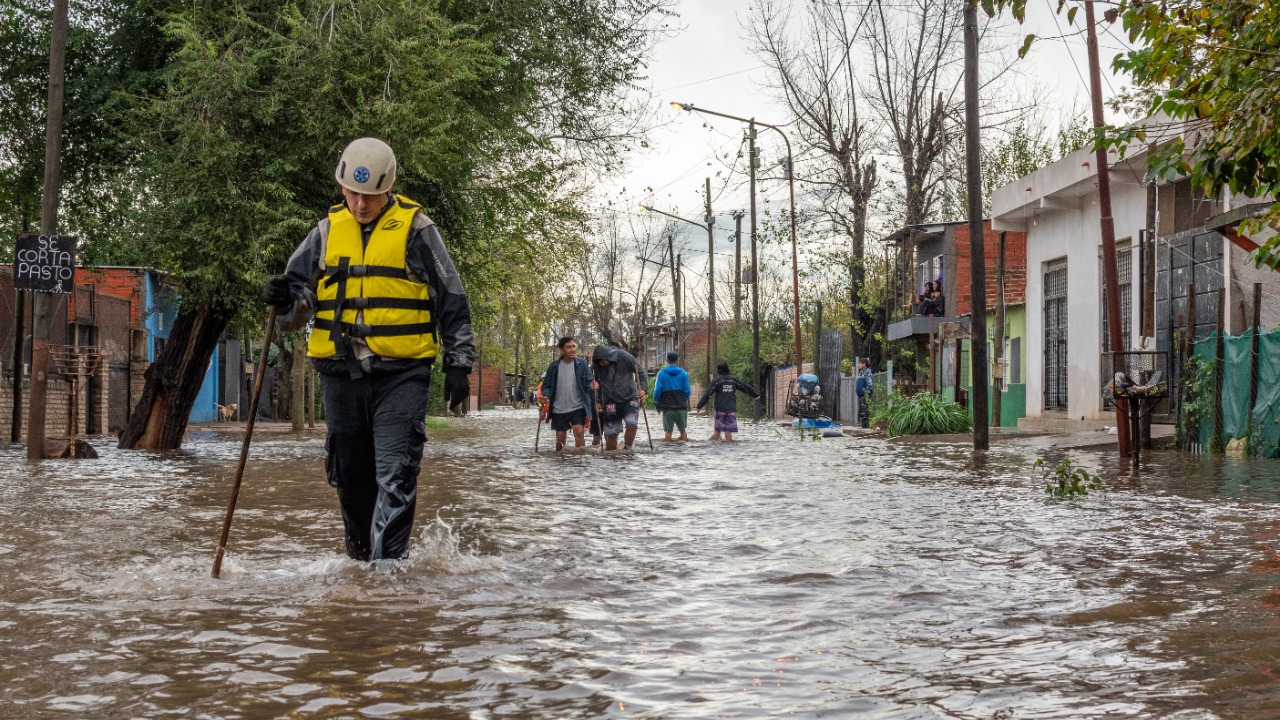
Texas authorities reported approximately 230 rescues as helicopters, rescue boats and ground teams responded across the affected region.
One widely reported operation involved a man and his dog being lifted from a stranded truck. Other residents were removed from homes, vehicles and properties surrounded by rapidly rising water.
The state deployed more than 2,300 emergency personnel and roughly 1,400 pieces of equipment, including Black Hawk helicopters, swift-water rescue boats and high-clearance vehicles. The response involved state police, the Texas Military Department, Texas A&M rescue teams, transportation crews and local first responders.
Texas had activated emergency resources before the heaviest flooding arrived. The Texas Division of Emergency Management placed swift-water teams, rescue swimmers and urban search-and-rescue personnel on standby as forecasts indicated a major flash-flood threat.
That advance preparation may have helped crews begin evacuations and rescues earlier than during the previous year’s disaster.
Rainfall Reached Extraordinary Levels
Some locations reportedly received as much as 28 inches of rain, while other parts of the region recorded totals approaching 20 inches.
The rainfall overwhelmed soil, drainage systems and narrow river basins. Once the ground became saturated, additional rain ran directly into creeks and rivers instead of soaking into the soil.
The Guadalupe, Nueces, Frio and Pedernales rivers were among the waterways that rose sharply. Some gauges recorded increases of several dozen feet, while officials warned that certain rivers could reach or approach record levels.
Flash flooding differs from the slower flooding associated with large rivers after prolonged rain. Water can surge through a small creek, canyon or dry crossing with little warning, carrying vehicles, trees and debris.
This rapid behavior is one reason the Hill Country is particularly dangerous during extreme rainfall.
The Hill Country’s Terrain Intensifies Flash Flooding
The Texas Hill Country contains steep slopes, thin soils, rocky ground and narrow river valleys.
When intense rain falls, water moves quickly downhill and concentrates in creeks, low-water crossings and river channels. Limestone and shallow soils limit how much water can be absorbed, increasing runoff.
The landscape can funnel water toward communities with remarkable speed. Rain may be falling miles upstream while residents downstream see a river rise even when conditions directly above them appear less severe.
This creates what emergency officials sometimes describe as a “flashy” watershed. The delay between rainfall and dangerous flooding can be extremely short.
People camping, driving or staying near rivers may therefore receive only a limited period to move to higher ground.
Communities Were Flooded Again Just One Year Later
The latest disaster revived memories of the July 2025 floods that devastated central Texas.
That earlier event killed more than 100 people, including children and staff associated with Camp Mystic along the Guadalupe River. Communities in Kerr County and surrounding areas were still repairing homes, businesses, roads and emergency facilities when the new flood arrived.
Some facilities were damaged for a second time. The Center Point Volunteer Fire Department, for example, was again surrounded or flooded, affecting equipment and local emergency operations.
Repeated disasters can deepen the economic and psychological impact. Residents may lose repaired property, replacement vehicles or recently rebuilt infrastructure before fully recovering from the first event.
Businesses also face interrupted tourism and reduced income, while local governments must repair roads, bridges, water systems and public buildings again.
New Warning Systems May Have Saved Lives
Officials and residents credited improved warning systems with giving some communities more time to respond.
Following the 2025 disaster, local governments expanded alert systems, installed sirens and revised emergency procedures. During the latest flooding, warnings and evacuations were issued before some rivers reached their highest levels.
A warning system is effective only when the message reaches people and produces immediate action. Residents must understand whether an alert means they should prepare, shelter in place or move to higher ground.
Sirens can help people outdoors, while Wireless Emergency Alerts reach compatible mobile phones. Local weather radio, television, social media and community notification systems provide additional layers.
No single method is perfect. Cellular service can fail, power can go out and visitors may not be registered for local alerts. Multiple overlapping warning systems are therefore essential.
Roads Became One of the Greatest Hazards
Floodwater affected approximately 125 road sections, with at least 87 closed during the emergency.
A flooded road can hide a washed-out surface, damaged bridge, deep channel or fast-moving debris. Water depth is difficult to judge at night or during heavy rain.
The Texas Department of Transportation advises motorists never to walk, swim or drive into floodwater. Even apparently still water may conceal power lines, branches, road damage and other hazards.
Drivers can check current state-road conditions through TxDOT’s DriveTexas service, which provides closures, weather impacts, road damage and live camera information.
A familiar road is not necessarily safe. Low-water crossings that have been used for years can become lethal when rainfall occurs upstream.
Why Vehicles Are So Often Involved in Flood Deaths
A vehicle can begin floating once water reaches sufficient depth because the tires lose contact with the road.
Moving water then pushes against the vehicle’s broad side surface. Even a shallow but fast flow can generate enough force to turn a car, carry it downstream or pin it against a tree or barrier.
Drivers may also underestimate depth because muddy water hides the road beneath it. A dip or washed-out section can make the water far deeper than it appears from the approach.
Once a vehicle begins moving, doors may become difficult to open because of water pressure. Electrical systems may fail, and the vehicle can overturn or fill rapidly.
The safest choice is to turn around before entering the water. The National Weather Service’s flood-safety guidance emphasizes that it is never safe to walk or drive through a flooded roadway.
Texas Issued Disaster Declarations
Governor Greg Abbott issued disaster declarations covering affected Hill Country and central Texas counties as state agencies continued rescue and recovery work.
The state maintained its emergency operations center at an escalated response level and later sought additional federal assistance for damaged communities.
A disaster declaration can make state resources, personnel and funding available more quickly. It may also support requests for federal assistance when damage exceeds local and state recovery capacity.
Residents and businesses were encouraged to report storm damage through the state’s disaster-reporting system. These reports help officials estimate losses and determine whether communities qualify for additional assistance.
Property owners should document damage with photographs and videos before beginning major cleanup when it is safe to do so. Insurance companies should also be contacted as soon as possible.
Floodwater Remains Dangerous After the Rain Stops
The end of heavy rainfall does not mean the danger is over.
Rivers can continue rising as runoff moves downstream. Roads and bridges may remain unstable, while damaged electrical equipment can create shock hazards.
Floodwater may contain sewage, fuel, chemicals, sharp debris and bacteria. Residents should avoid entering flooded buildings until authorities determine that the structure and electrical systems are safe.
Standing water can also conceal animals and unstable ground. Children and pets should be kept away from flooded areas even when the current appears weak.
People returning to damaged property should follow instructions from local emergency officials and monitor the National Weather Service’s flood-safety resources for continuing hazards.
The New Flood Shows the Region’s Continuing Vulnerability
The latest Hill Country disaster did not exactly repeat the 2025 flood, but it exposed the same underlying risk: extreme rain can become deadly very quickly in this terrain.
Improved sirens, alerts and emergency deployment appear to have supported faster evacuations and hundreds of rescues. However, two people still died, communities were isolated and infrastructure was damaged again.
The challenge now extends beyond recovery. Texas communities must continue improving river monitoring, warning systems, evacuation routes, road closures and building decisions near flood-prone waterways.
The most immediate lesson for residents remains simple. Flash-flood warnings require immediate attention, and flooded roads must never be treated as passable based on appearance or past experience.
In the Texas Hill Country, the distance between ordinary rain and a catastrophic flood can be measured in minutes.