
A large genetic and dietary analysis of roughly 200,000 adults has put a fresh twist on the familiar advice to eat less protein for a longer, healthier life. The work suggests that a Mediterranean-style, relatively low-protein pattern can be made even more effective for healthy aging by adding back a single amino acid, methionine, in carefully controlled amounts. The result was not just longer survival but more years lived free of major disease.
Researchers have debated for years whether strict protein restriction is a realistic path to longevity for humans. The new findings point toward a more practical middle ground, where total protein is modest, the source is mostly plant based, and a targeted supplement fine-tunes the biology of aging rather than trying to overpower it.
How researchers reshaped a low-protein longevity pattern
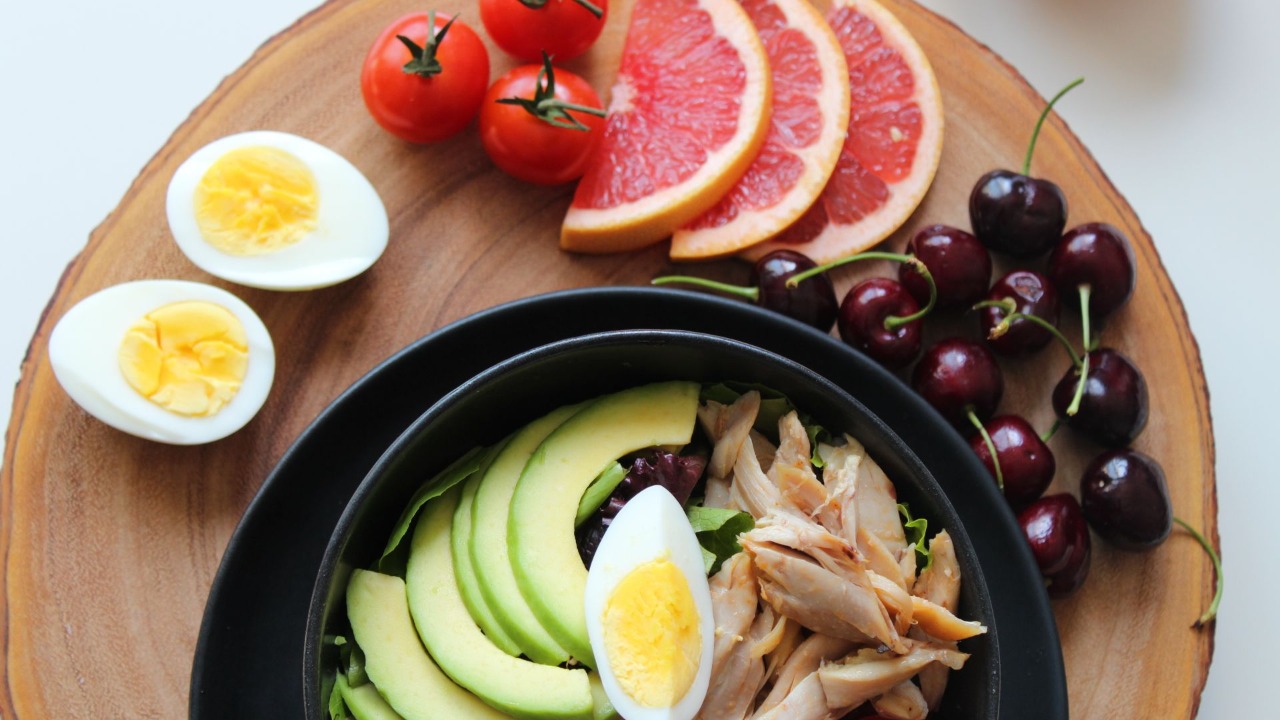
The analysis focused on people whose eating habits resembled a traditional Mediterranean pattern, with abundant vegetables, whole grains, legumes, olive oil, moderate fish, and very little red meat. Within this broad template, investigators compared participants whose overall protein intake sat on the lower end of the spectrum with those who ate more protein from animal sources. They then layered in genetic information and biomarker data to see how a single amino acid, methionine, interacted with that diet over time.
Methionine is an essential amino acid, meaning the body cannot make it and must obtain it from food or supplements. It is involved in methylation reactions that help regulate gene expression, support DNA repair, and maintain cellular detoxification. In many animal experiments, severe methionine restriction has extended lifespan, but it has also produced side effects that would be unacceptable for most people, including loss of lean mass and reduced fertility. The new work took the opposite approach and asked what happens when a relatively protein-light pattern is paired with a modest bump in methionine instead of a drastic cut.
According to the analysis, participants who followed a Mediterranean-style, lower protein diet and also consumed slightly higher methionine had fewer age-related diseases and better physical function than peers with similar calorie intake but different amino acid profiles. The study linked this combination to a longer period of life spent without cardiovascular disease, diabetes, or significant disability, suggesting that the change affected healthspan as much as lifespan. The findings were detailed in a report on a Mediterranean diet pattern enriched with methionine.
Researchers proposed several mechanisms that might explain the effect. The Mediterranean pattern already reduces inflammation and improves insulin sensitivity, in part through fiber-rich plant foods and unsaturated fats. Methionine, when supplied in moderate amounts, may enhance cellular stress responses and support the synthesis of glutathione, one of the body’s main antioxidants. Together, these shifts could reduce oxidative damage and chronic low-grade inflammation that drive many age-related conditions.
What changed in the understanding of protein and aging
For decades, much of the longevity conversation has been shaped by animal studies where extreme dietary interventions produced dramatic gains in lifespan. Rodents on very low protein or methionine-restricted diets lived longer, and those findings encouraged some people to cut protein aggressively in midlife. Human data have been far less clear, however, and concerns about muscle loss, bone health, and frailty have grown as more people live into their eighties and nineties.
The 200,000-person analysis shifts the focus away from simple protein counts and toward the quality and composition of that protein. Instead of treating all amino acids as interchangeable, the study highlights methionine as a lever that can be adjusted without forcing people into extreme restriction. Participants did not follow a crash diet or a laboratory-style feeding protocol. They ate recognizable foods, close to what is already recommended for cardiovascular health, and the key difference lay in the balance between plant and animal sources and the specific amino acids that came with them.
This reframing also addresses a practical tension in aging research. Older adults need enough protein to preserve muscle, maintain balance, and reduce fracture risk. At the same time, high intakes of red and processed meat have been linked to higher rates of heart disease, cancer, and type 2 diabetes. The new work suggests that a modest protein intake, tilted toward legumes, nuts, seeds, and fish, can be paired with targeted methionine to support cellular resilience without sacrificing physical strength.
Another important shift is the focus on healthy years rather than raw survival. The analysis tracked not only mortality but also the onset of major chronic diseases and disability. People who combined a Mediterranean-style, lower protein pattern with higher methionine intake spent more of their lives free from serious illness and functional decline. That emphasis on quality of life aligns more closely with what most individuals say they want from longevity research: more active years, not simply more time.
Why this longevity pattern matters now
Populations are aging rapidly, and health systems are already strained by long-term management of cardiovascular disease, dementia, and metabolic disorders. A dietary pattern that adds years of independent living without requiring exotic foods or complex tracking tools has obvious appeal. The Mediterranean template is familiar to clinicians and dietitians, and it can be adapted to different cultures using local ingredients such as chickpeas and lentils in India or black beans and corn in Mexico.
The new findings arrive at a moment when high-protein trends are booming. Fitness culture and weight-loss marketing often push protein shakes, bars, and meat-heavy meal plans as default choices for anyone concerned about metabolism or body composition. That message can obscure the difference between adequate and excessive protein and between animal-heavy and plant-forward sources. By showing that a relatively modest protein intake, combined with a specific amino acid tweak, can extend healthy life, the study challenges the idea that more protein is always better.
There are also implications for supplement use. Methionine is already available in capsules and powders, often marketed for liver support or detoxification. The analysis does not justify indiscriminate supplementation, especially in people with existing liver or kidney disease, but it does suggest that amino acid profiles deserve more attention in clinical nutrition. Rather than focusing only on grams of protein per kilogram of body weight, practitioners may start to consider which amino acids are under or overrepresented in a patient’s diet and how that pattern interacts with age, genetics, and disease risk.
Public health messaging may need to evolve as well. Traditional guidelines tend to bundle protein into a single category, with broad advice to limit red and processed meat and favor lean sources. The new data point toward more nuanced recommendations that emphasize plant-based proteins, modest total intake, and possibly the strategic use of methionine in specific groups, such as middle-aged adults at high risk of cardiometabolic disease.
What comes next for translating the 200,000-person findings
The analysis was observational, which means it can reveal associations but not prove cause and effect. The next step will be randomized trials that assign participants to a Mediterranean-style, relatively low-protein pattern with and without added methionine, then track outcomes such as insulin sensitivity, inflammatory markers, muscle mass, and cognitive function. Shorter trials could focus on intermediate endpoints, while longer ones would be needed to confirm effects on disease incidence and survival.
Researchers will also need to define safe and effective methionine doses in different age groups. The optimal level for a healthy 45-year-old may not match what is best for an 80-year-old with frailty or chronic kidney disease. Precision nutrition approaches that combine genetic data, microbiome profiles, and detailed food logs could help identify who benefits most from this strategy and who might be harmed by it. The large dataset behind the current analysis offers a starting point for such personalized models.
On the practical side, dietitians and clinicians are likely to experiment with real-world protocols that approximate the pattern seen in the study. That could mean meal plans centered on vegetables, whole grains, beans, and olive oil, with fish several times a week, small amounts of poultry, and minimal red meat. Within that framework, methionine intake might be adjusted through specific foods or carefully monitored supplements, always paired with regular checks of kidney function and metabolic health.