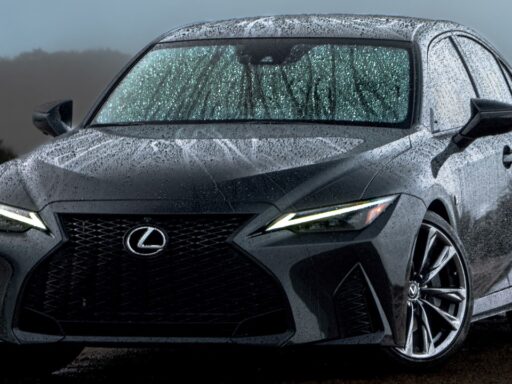

Lexus has extended its lead in long-term quality, topping J.D. Power’s latest Vehicle Dependability Study for a fourth consecutive year with the fewest reported problems. The brand’s performance stands out in a year when overall dependability slipped across the industry, underscoring how consistent engineering and conservative technology choices can still separate one automaker from the pack.
For shoppers facing rising prices and longer loan terms, a four-year streak at the top of a major dependability ranking is more than a bragging right. It shapes resale values, leasing costs, and the real-world ownership experience for drivers planning to keep a vehicle well beyond the warranty window.
How the latest dependability rankings shifted around Lexus
The J.D. Power Vehicle Dependability Study tracks problems experienced by original owners of three-year-old vehicles, measured as problems per 100 vehicles. In the most recent results, Lexus again recorded the lowest problem rate in the industry, giving the brand four straight years at number one. That consistency puts distance between Lexus and traditional luxury rivals that have bounced up and down the table as new technology has entered their lineups.
Visual comparisons of the study show Lexus at the top of a field where average scores moved in the wrong direction. Across all brands, the number of issues per 100 vehicles increased, meaning Lexus did not just keep its lead, it widened it relative to an industry struggling with software glitches, infotainment bugs, and advanced driver-assistance quirks. A breakdown of car brands with places Lexus alongside a small group of automakers that still deliver significantly fewer complaints than the market average.
The brand’s repeat performance came in a year when some mainstream names improved and others slipped. Buick, for example, joined Lexus near the top of the latest dependability table. Reporting on the study highlighted that Lexus and Buick shared the podium, a pairing that reflects how a carefully managed product portfolio can pay off in both the premium and near-premium segments.
Meanwhile, the data shows that several brands that lean heavily on complex infotainment systems and cutting-edge driver aids recorded higher problem counts. The gap between the best and worst performers has grown, making Lexus’s stable ranking more visible to shoppers comparing nameplates.
Why Lexus’s four-year dependability streak matters in 2026
The broader context of the latest J.D. Power study is not flattering for the industry. Analysts reported that overall vehicle dependability declined again, continuing a multiyear trend in which owners of three-year-old vehicles are seeing more issues, not fewer. According to a detailed review of the findings, vehicle dependability slipped as problems related to technology, connectivity, and driver assistance piled up on top of traditional mechanical complaints.
In that environment, Lexus’s performance carries extra weight. Rather than simply keeping pace with the average, the brand has managed to shield its owners from many of the frustrations that come with complex digital dashboards, app-based features, and semi-automated driving systems. The study’s problem categories show that audio and communication systems, navigation, and smartphone integration are among the biggest pain points for owners of three-year-old vehicles. Lexus has been relatively conservative in rolling out unproven features, which appears to have limited the number of software-driven headaches that show up in dependability surveys.
Consumer-facing analysis of the study has pointed to several Lexus models as standouts. Coverage of the results highlighted that Lexus, along with Porsche and Kia, produced some of the highest-scoring individual vehicles in their segments. A breakdown of the latest study describes Lexus, Porsche, and as the stars of the dependability rankings, with multiple Lexus nameplates leading their categories. That pattern reinforces the idea that the brand’s success is not limited to one halo model but is spread across sedans, crossovers, and SUVs.
For buyers, this matters in several concrete ways. Long-term reliability is directly linked to total cost of ownership: fewer problems in the first three years often translate into lower repair bills once warranties expire, and they support higher residual values when an owner decides to trade in or sell. Lexus’s streak at the top of the dependability study aligns with its reputation for strong resale prices, which can lower lease payments and reduce depreciation losses for owners who buy new.
The timing also matters because consumers are keeping vehicles longer. With average loan terms stretching and prices for both new and used vehicles elevated, many owners plan to hold on to their cars for six, eight, or even ten years. A brand that performs well in a three-year dependability measure gives shoppers more confidence that the vehicle will remain usable and relatively trouble-free deeper into its life. That assurance is especially attractive for buyers who prioritize low stress over the latest gadgetry.
The study also has marketing power. Automakers routinely cite J.D. Power awards in advertising, and a four-year run at the top gives Lexus a simple, repeatable message about quality. For luxury shoppers cross-shopping German rivals or newer electric entrants, the promise of fewer service visits and less time spent troubleshooting infotainment systems can be a persuasive counterweight to performance or design advantages elsewhere.
What Lexus’s dependability edge signals for its strategy and the wider market
Lexus’s continued success in dependability rankings reflects deliberate choices in product planning and technology adoption. The brand has often favored incremental improvements to proven platforms and powertrains instead of rapid turnovers or aggressive experimentation. Hybrid systems refined over multiple generations, relatively intuitive control layouts, and a cautious approach to over-the-air features all help reduce the number of potential failure points that can show up as owner complaints.
None of that means Lexus avoids innovation. The brand is expanding its electrified lineup and updating infotainment across its range. The key difference is pacing. Where some rivals roll out sweeping software suites and advanced driver-assistance packages across entire lineups in a single model year, Lexus tends to phase in new systems more gradually, allowing time to identify and fix bugs before they affect large numbers of customers. The dependability data suggests that this slower, more methodical rollout has benefits that owners can feel.
Looking ahead, the challenge for Lexus will be to maintain this edge as the industry accelerates toward electrification and more connected services. Electric vehicles and plug-in hybrids rely even more heavily on software, battery management, and complex power electronics. Any missteps in those areas can quickly erode a hard-earned reputation for reliability. Lexus will need to ensure that its quality processes and testing regimes evolve fast enough to keep pace with new architectures while preserving the conservative discipline that has served it well.
The wider market may also respond to the gap highlighted in the latest J.D. Power results. Automakers that landed near the bottom of the dependability rankings face pressure from both customers and dealers to address recurring issues. Persistent complaints about infotainment freezes, sensor faults, and connectivity glitches can drive warranty costs higher and damage brand loyalty. The contrast with Lexus, which has managed to avoid many of those pitfalls, could push competitors to rethink how they validate software, integrate third-party apps, and update vehicles after sale.
For consumers, the study encourages a more granular look at what “luxury” means. High-resolution screens, voice assistants, and hands-free driving features can be appealing on a test drive, but the dependability data suggests that restraint can be valuable. Lexus’s four-year run at the top of the rankings indicates that buyers who prioritize durability, predictable ownership costs, and a calm service experience may find more of what they want in a brand that moves carefully rather than chasing every new feature trend.
If Lexus can carry its current approach into the next wave of products, its streak in dependability surveys may continue, and the gap between brands that treat reliability as a core discipline and those that treat it as an afterthought could grow even wider. For now, the latest J.D. Power results give Lexus a clear talking point and give shoppers a data-backed reason to keep the brand on their shortlists.