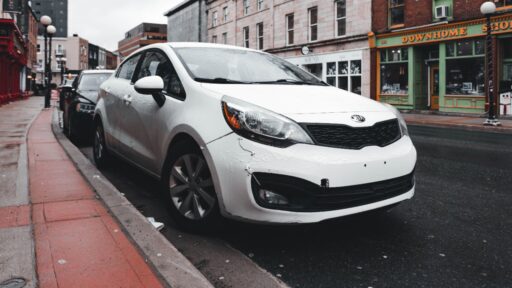
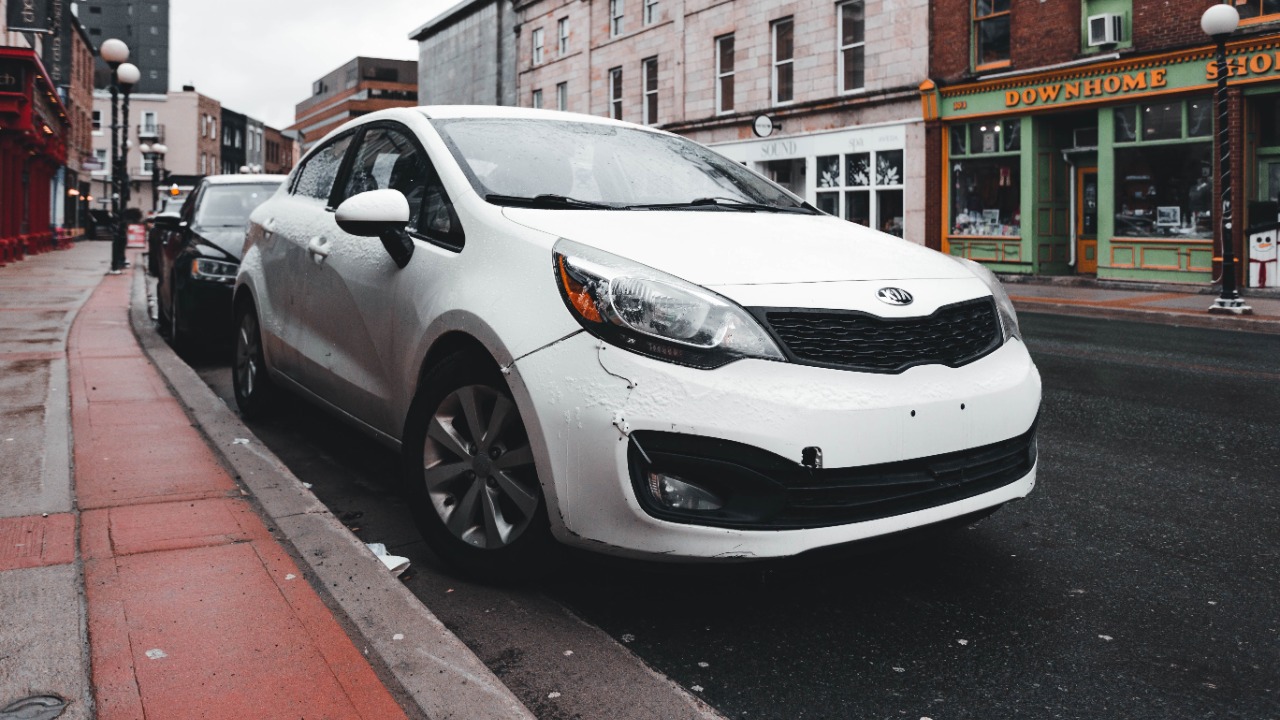

Kia and Hyundai owners continue to report thefts and attempted thefts even after receiving the automakers’ free anti-theft software update, raising questions about whether the fix provides enough protection for millions of vulnerable vehicles.
The software has reduced theft claims significantly, but it has not eliminated the problem. Owners have reported cars being stolen after the update, while others have faced smashed windows, damaged steering columns and expensive repairs caused by thieves who still target the brands.
A December 2025 settlement involving Hyundai, Kia and 36 state attorneys general stated that the software update could be bypassed by thieves. The agreement requires the automakers to offer additional physical protection to eligible owners.
Why Kia and Hyundai Vehicles Became Major Theft Targets
Millions of Kia and Hyundai vehicles sold in the United States were manufactured without an electronic engine immobilizer.
An immobilizer prevents a vehicle from starting unless it detects the correct coded key. The technology was widely used by other manufacturers, but many key-start Kia and Hyundai models sold between 2011 and 2022 did not include it.
Thieves discovered that some affected vehicles could be started after removing the ignition cover and turning the ignition mechanism with a simple object. Videos demonstrating the method spread across TikTok and other social media platforms, contributing to a nationwide surge in thefts.
The National Highway Traffic Safety Administration said approximately 3.8 million Hyundai vehicles and 4.5 million Kia vehicles were involved in the original software campaign. The theft trend was connected to at least 14 crashes and eight reported deaths when the update was announced in February 2023.
What the Anti-Theft Software Update Actually Does
The update changes the vehicle’s alarm and ignition software rather than installing a traditional electronic immobilizer.
According to the NHTSA explanation of the Hyundai and Kia theft-deterrent campaign, the upgrade extends the alarm duration from 30 seconds to one minute. It is also designed to prevent the engine from starting without the key when the vehicle’s security system has been properly armed.
The software-based protection generally activates when the owner locks the vehicle using the key fob. This detail is important because locking the door manually or through the interior door switch may not activate the upgraded security feature in the same way.
Drivers who received the update were also given window stickers intended to tell potential thieves that the car had additional anti-theft protection.
Drivers Say Updated Cars Have Still Been Stolen
Reports of post-update thefts began emerging shortly after the software campaign started.
One Hyundai Elantra owner in Minneapolis told MPR News that her vehicle was stolen even though it had received the free security upgrade and had been locked. Other owners described repeated theft attempts and costly damage after completing the recommended update.
A stolen car does not automatically prove that the software was installed incorrectly or completely ineffective. The update may not have been activated if the vehicle was not locked with the key fob, and thieves may use different methods to overcome or bypass the protection.
However, the reports show that receiving the update does not make a vehicle impossible to steal.
The Update Reduced Thefts but Did Not End Them
Insurance data suggests the update has made a measurable difference.
An analysis by the Highway Loss Data Institute found that theft claim frequency was 53% lower for upgraded vehicles than for comparable vehicles without the update. Whole-vehicle theft claims fell by 64% among updated cars.
Despite that improvement, Hyundai and Kia theft rates remained much higher than those of other brands. The institute found that theft claim frequency for the affected brands during the second half of 2023 was more than eight times the rate recorded for other manufacturers during the same period.
This means both claims can be true at the same time: the update lowers the risk, but updated cars may still face an unusually high chance of theft or vandalism.
Thieves May Not Know a Car Has Been Updated
The continued damage is not limited to successfully stolen vehicles.
A potential thief may see a Kia or Hyundai badge and break into the car without knowing whether it has received the software fix. Even when the upgraded system prevents the engine from starting, the owner may still be left with a broken window, destroyed ignition components and damage to the steering column.
The Highway Loss Data Institute found that vandalism claims remained elevated after the update. Would-be thieves were continuing to enter and damage vehicles even when they could not drive them away.
A security sticker may discourage some offenders, but drivers should not assume that every thief will notice or believe it.
States Said the Software Could Be Easily Bypassed
In December 2025, a coalition of 36 state attorneys general announced a settlement with Kia and Hyundai concerning the sale of vehicles without standard anti-theft technology.
The Washington Attorney General’s Office said the companies had waited until 2023 to launch the software campaign and described the update as easily bypassed by thieves.
Under the settlement, eligible owners and lessees will be offered free zinc-reinforced ignition-cylinder protectors. The physical component is intended to make it more difficult for thieves to access and manipulate the ignition mechanism.
The settlement also provides up to $4.5 million in restitution for eligible consumers whose cars were damaged during thefts or attempted thefts.
People who received or scheduled the software update but experienced a theft or attempted theft on or after April 29, 2025, may qualify for certain reimbursements. Eligibility depends on the vehicle and the circumstances of the incident.
Which Models May Be Affected?
The original theft problem primarily involved certain 2011–2022 Kia and Hyundai vehicles with traditional metal keys and no factory-installed engine immobilizer.
Frequently targeted models have included versions of the Hyundai Accent, Elantra, Santa Fe, Sonata, Tucson and Venue, as well as the Kia Forte, Optima, Rio, Sedona, Sorento, Soul and Sportage.
Not every vehicle from these model lines is affected. Push-button-start models generally use different security technology, while exact eligibility depends on the model year, trim and vehicle identification number.
Owners should check their VIN through an authorized Kia or Hyundai campaign website or contact a dealership rather than relying only on the model name.
What Owners Should Do Now
Drivers should still obtain the free software update when their vehicle is eligible. The available insurance evidence indicates that it substantially reduces theft risk, even though it does not guarantee complete protection.
After the update, owners should consistently lock the vehicle with the key fob so the software-based immobilizer is activated. The confirmation sound or flashing lights can help verify that the alarm system has armed.
Eligible owners should also ask their dealership about the reinforced ignition-cylinder protector required under the 2025 multistate settlement.
Using a visible steering-wheel lock can add another physical barrier and may make the vehicle less attractive to opportunistic thieves. NHTSA previously said Hyundai and Kia had distributed thousands of steering-wheel locks through law-enforcement agencies.
Parking in a locked garage, well-lit area or monitored location may further reduce risk. Owners can also consider a hidden tracking device, although trackers should not be used to confront a suspected thief without police assistance.
Insurance Problems Can Continue After the Fix
Some owners have faced higher premiums, limited coverage or difficulty finding an insurer because of the high theft rates associated with certain Kia and Hyundai models.
An insurance company may consider the vehicle’s theft history, location and model rather than relying only on whether the software was installed.
Owners should retain dealership documents proving that the update and any physical ignition protection were completed. These records may help when discussing coverage, filing a theft claim or applying for settlement compensation.
The update does not protect against broken windows, stolen belongings or all possible methods of vehicle theft. Comprehensive auto insurance is generally the portion of a policy that covers theft and vandalism, subject to the policy’s deductible and exclusions.
The Software Fix Helps, but It Is Not a Complete Solution
The evidence does not support saying that the anti-theft update is useless. Updated vehicles have experienced substantially fewer theft claims than vehicles that did not receive it.
At the same time, drivers’ experiences, elevated insurance claims and the 2025 state settlement show that the problem has not been fully solved.
Owners of eligible Kia and Hyundai vehicles should combine the software update with the reinforced ignition protector, key-fob locking, a visible steering-wheel lock and careful parking practices.
The most important point is that an update sticker alone does not make a vulnerable vehicle theft-proof. Drivers should continue treating these cars as potential targets and use every available layer of protection.