
Iran has rejected US President Donald Trump’s proposal to use frozen Iranian assets to compensate companies whose ships or cargo are damaged in the Gulf, warning that accepting such payments could result in vessels being barred from the Strait of Hormuz.
Ebrahim Zolfaghari, spokesperson for Iran’s Khatam al-Anbiya Central Command, said any company or country receiving money from frozen Iranian assets under Trump’s proposal would no longer be permitted to send its vessels through the strategic waterway. The warning was reported by Iranian state media and summarised in Al Jazeera’s coverage of the announcement.
The statement represents another escalation in the dispute over who controls maritime access through Hormuz and who should bear the financial cost of attacks on commercial shipping.
What Trump Proposed
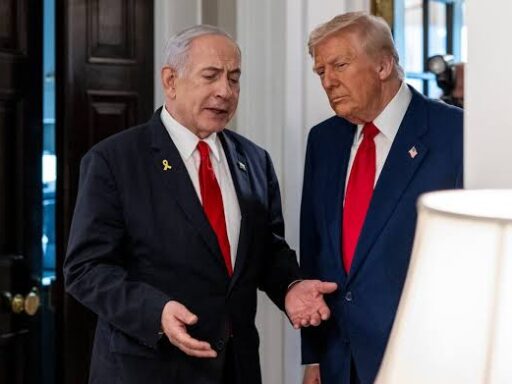
Trump announced that damage caused to ships, cargo and related commercial interests would be paid for using Iranian money held or controlled by the United States. He presented the proposal as a way to prevent shipowners and trading companies from carrying the financial burden of attacks blamed on Iran.
The president did not initially provide a detailed administrative or legal mechanism explaining how claims would be assessed, which assets would be used or how compensation would be distributed. His statement nevertheless suggested that Washington regarded the frozen money as a potential source of payment for losses connected to Iran’s actions.
Iranian Foreign Minister Abbas Araghchi described the idea as an “incendiary precedent,” arguing that using one country’s frozen assets in this manner could undermine confidence in the security of sovereign funds held abroad. Further details of Tehran’s initial response were reported by Euronews in its examination of Trump’s announcement.
Iran’s latest warning attempts to create a direct commercial consequence. A shipping company might receive compensation from Washington but then risk losing access to one of the world’s most important energy routes.
Frozen Assets Are Already Central to US-Iran Negotiations
Frozen Iranian funds have played a major role in negotiations between Tehran and Washington. The assets generally consist of Iranian revenue, including money connected to oil and gas exports, that cannot be freely transferred because of US sanctions and related financial restrictions.
The exact amount under discussion has varied across different reports and negotiating stages. A June agreement was expected to release approximately $12 billion, while an Iranian official earlier referred to around $30 billion in frozen revenue as part of a wider arrangement connected to reopening Hormuz.
Iran has consistently argued that the money belongs to the country and that Tehran alone should decide how it is spent. US officials have attempted to connect access to the funds with Iranian compliance on shipping, nuclear inspections and other commitments.
Using the assets to pay private shipping claims would transform them from a diplomatic incentive into a punitive instrument. That change helps explain why Tehran has reacted so strongly.
The Strait of Hormuz Gives Iran Considerable Leverage
The Strait of Hormuz connects the Persian Gulf to the Gulf of Oman and the Arabian Sea. At its narrowest point, it is only a few dozen kilometres wide, placing shipping lanes close to both Iranian and Omani territory.
Before the recent conflict severely disrupted traffic, approximately 20.9 million barrels of oil per day passed through the strait during the first half of 2025. That represented roughly one-fifth of global petroleum liquids consumption and about one-quarter of internationally traded seaborne oil, according to the US Energy Information Administration’s analysis of global oil chokepoints.
Qatar also relies on the route to export liquefied natural gas, while Saudi Arabia, the United Arab Emirates, Kuwait, Iraq and Bahrain depend on it for significant portions of their energy trade.
Any restriction can therefore affect freight rates, marine insurance, fuel supplies and global oil prices. The EIA reported that disruption during the second quarter of 2026 contributed to unusually volatile crude prices and substantial reductions in Middle Eastern production.
Iran’s threat is economically significant because it targets not only governments but also commercial decisions made by shipowners, insurers and cargo companies.
Iran Is Seeking Greater Control Over Shipping Routes
The compensation dispute is developing alongside Iranian efforts to reshape the navigation system within Hormuz.
Tehran has proposed a temporary arrangement under which incoming traffic and part of the outgoing traffic would pass through Iranian waters. Iran rejected an Omani proposal to divide the routes equally, arguing that greater Iranian control was necessary for national security. It also said the existing internationally recognised Traffic Separation Scheme was no longer acceptable under current conditions.
The International Maritime Organization’s explanation of Hormuz navigation states that Iran and Oman traditionally manage traffic flow and collision avoidance in their respective areas. The organisation has repeatedly emphasised that freedom of navigation must be preserved and that commercial ships should not face discriminatory transit restrictions.
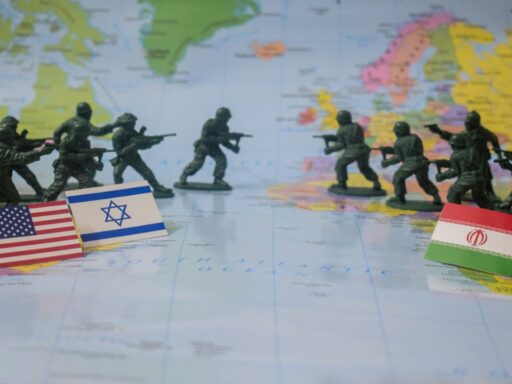
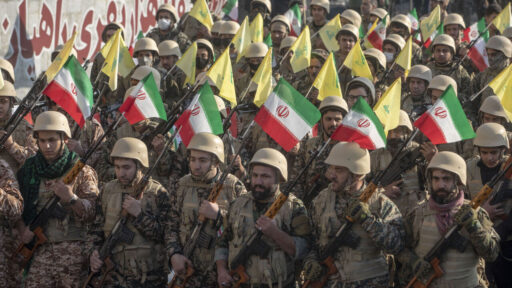
Iran, however, argues that the security environment changed after US and Israeli attacks that began in February. Iranian officials maintain that the previous system exposed the country to military threats and allowed hostile forces to operate too close to its coastline.
Shipping Companies Face an Impossible Calculation
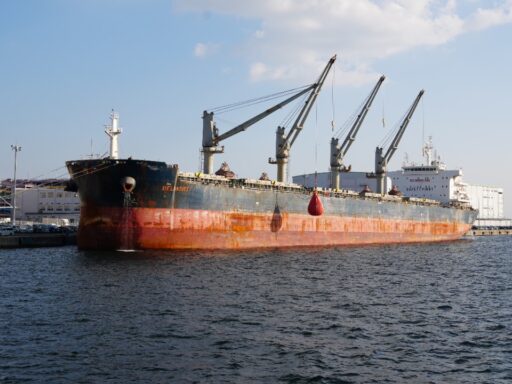
Trump’s proposal places shipping companies in a difficult position. Accepting compensation could help cover repairs, lost cargo, delays and insurance costs. Iran’s threatened response could then prevent the same company’s vessels from crossing Hormuz.
Refusing compensation would avoid that specific Iranian penalty but leave owners and insurers responsible for losses arising from attacks or regional military action.
Companies must also consider whether a threatened ban could actually be enforced against every vessel associated with a multinational shipping group. Ownership structures are often complex, involving different flags, subsidiaries, operators, charterers and beneficial owners.
Even an uncertain threat can influence behaviour. Insurers may increase premiums, lenders may reconsider exposure and charterers may choose longer routes or avoid Gulf cargoes altogether. The result could be higher costs even without Iran physically stopping every targeted ship.
Maritime Safety Has Already Deteriorated
The compensation proposal did not emerge in isolation. Commercial vessels have faced repeated missile, drone and other attacks in and around Hormuz since the regional conflict began.
The International Maritime Organization said it had verified at least 46 attacks against international shipping by mid-June 2026. It has repeatedly warned that vessels, crews and seafarers should not be exposed to military confrontation or used as instruments of political pressure. The organisation’s official statements on Hormuz safety have called for security guarantees and internationally coordinated passage.
The United States has imposed additional sanctions on Iranian procurement and financial networks following attacks on commercial vessels. The US Treasury Department’s July sanctions announcement said the measures were intended to restrict resources supporting Iran’s missile, weapons and military programmes.
Iran maintains that its maritime actions are responses to US military pressure, port restrictions and attacks on Iranian territory.
The Warning Could Complicate Diplomatic Talks
Iran and Oman are currently discussing possible arrangements for reopening and managing the strait. Proposals have included revised shipping lanes, Iranian participation in maritime security and potential service fees connected to environmental protection or safe passage.
Washington has demanded open shipping lanes without compulsory Iranian tolls. Iran has insisted that it will not return to the system that existed before the conflict and wants a larger role in managing traffic.
The frozen-assets dispute adds another condition to an already complicated negotiation. It links maritime access to the ownership and use of Iranian money, while giving Tehran a new category of vessels it can threaten to exclude.
Whether Iran can consistently enforce such a ban remains uncertain. The warning nevertheless raises the risk that financial institutions, insurers and shipping companies will become direct participants in the confrontation.
A Financial Dispute With Global Consequences
Trump’s plan attempts to make Iran financially responsible for damage attributed to its attacks. Tehran’s answer seeks to make accepting that money commercially costly.
Neither measure directly improves maritime safety. Instead, each side is using the assets and the strait as leverage in a wider contest over sanctions, military pressure and regional authority.
The immediate question is whether any shipping company will accept compensation under the proposed arrangement. The larger question is whether Hormuz can return to predictable international navigation while Iran and the United States continue attaching new political and financial conditions to its use.
Until a durable agreement is reached, every threat involving the strait carries consequences far beyond the Gulf. Energy markets, international trade and the safety of civilian seafarers remain exposed to decisions made in an escalating dispute between Washington and Tehran.