
Google is turning the television into a conversational device, folding its Gemini AI directly into living room screens instead of keeping it locked on phones and laptops. The first big test bed is TCL’s Google TV lineup, where voice control is shifting from rigid commands to natural back-and-forth requests.
For viewers, that means the TV behaves less like a remote-controlled display and more like a responsive assistant that understands context, preferences, and follow-up questions. For Google, it is a chance to extend its AI strategy into the one screen that still commands long, uninterrupted attention.
How Google’s Gemini upgrade is changing TCL Google TVs
TCL is expanding its Google TV range in Europe with Gemini integrated across more models in 2026, turning what used to be a standard smart TV platform into an AI-centric experience built around conversational search and recommendations. The rollout adds Gemini to additional European series that already run Google TV, so existing buyers in those ranges will see the feature arrive as a software upgrade rather than a new hardware requirement, according to TCL’s expansion plans.
The core change is that users can now talk to the TV in everyday language instead of memorizing specific phrases. Viewers can ask for “that crime series set in Paris with the female detective” or “comedies under two hours from the 1990s” and have Gemini interpret the request, scan across supported apps, and present relevant options. Reporting on the rollout describes how the assistant can handle follow-up prompts, so someone can refine a search from “find sci-fi movies” to “only the ones suitable for kids” without starting over, a shift that moves TV interaction closer to a conversation.
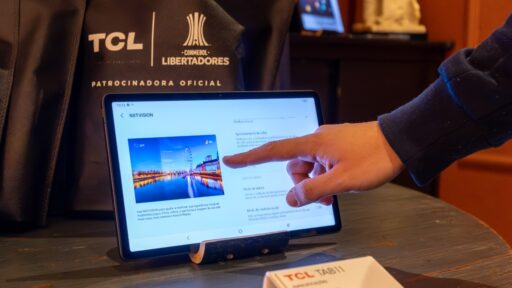
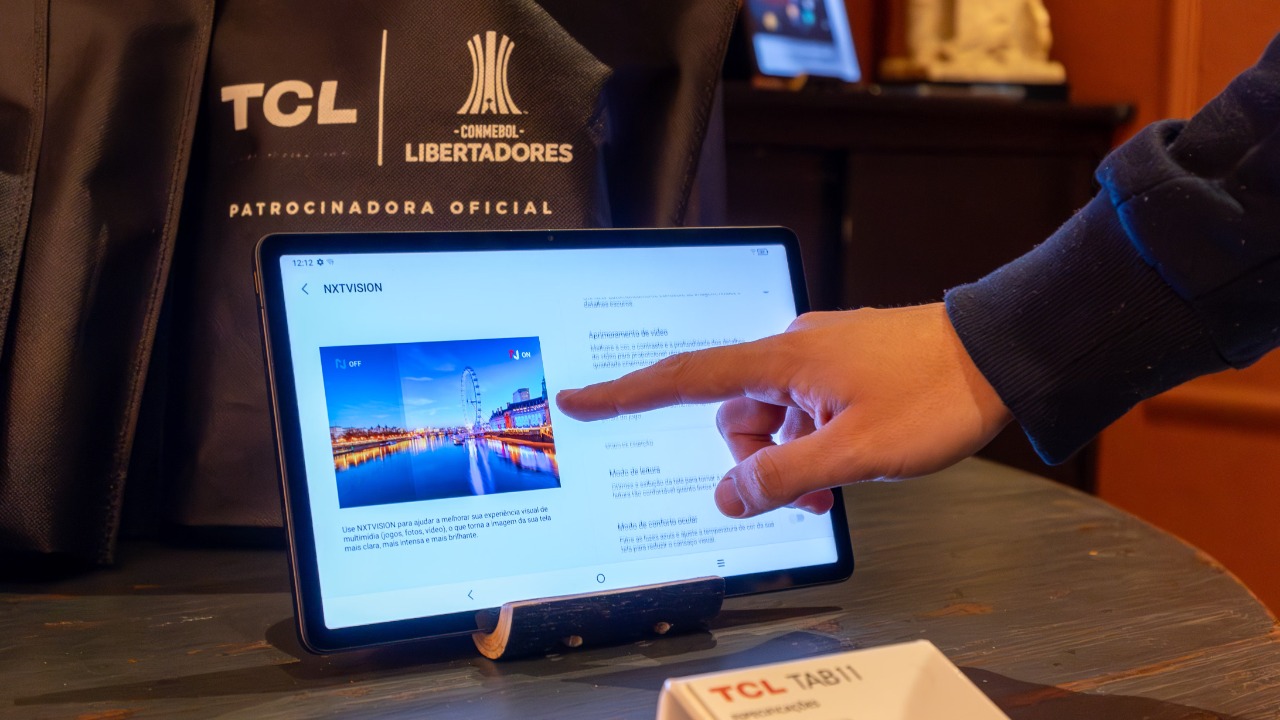
On a technical level, Gemini sits on top of the existing Google TV interface rather than replacing it. Users still see the familiar home screen with rows of apps and content, but Gemini powers the search layer, the recommendations carousels, and new contextual cards that surface information about what is on screen. TCL’s European sets that receive the upgrade will therefore retain their current picture processing and panel technology while gaining a smarter control system, as outlined in coverage of Gemini AI on.
Gemini integration also extends to setup and configuration. Instead of stepping through static menus, owners can describe what they care about, such as “optimize this for gaming” or “make movies look more cinematic at night,” and let the AI adjust multiple picture and audio settings at once. Veteran reviewers have pointed out that this kind of profile-driven tuning could have saved them many hours of manual calibration, with one long-time TV tester arguing that the new Google TV feature would have cut hundreds of hours from their workflow, as described in an analysis of AI-assisted TV reviews.
Why conversational AI on TVs matters for viewers and for Google
The living room remains one of the last screens where people still sit for long stretches, and Google is betting that conversational control can turn that attention into deeper engagement. By embedding Gemini into TCL sets across Europe, Google gains a direct line to what people watch, when they watch it, and what they ask for before they choose, which is far richer than the basic viewing logs that older smart TVs collected.
Natural language control also lowers the barrier for less technical users. Instead of hunting through nested menus or juggling multiple remotes, someone can say “switch to the PlayStation and enable game mode” or “start the next episode with subtitles on,” and Gemini interprets the intent. Reporting on the feature highlights that Gemini can handle compound commands and contextual follow-ups, which is a significant improvement over the one-shot queries of earlier voice assistants, as detailed in coverage of Gemini voice controls.
For families, this shift could change how recommendations work. Rather than relying only on watch history and app-level profiles, Gemini can use conversational cues, such as “find something everyone can watch before school” or “show a nature documentary that is not too scary for a six-year-old,” to tailor results in real time. That opens the door to more granular personalization without forcing every family member to manage separate accounts for each streaming app.
From Google’s perspective, the TV is also an attractive advertising and commerce surface. Analysts have argued that Gemini-enabled smart TVs give Google more precise signals about viewing intent, which can feed into targeted promotions and sponsored recommendations. One assessment frames Gemini-powered sets as an advertising tool that can steer users toward specific content and services inside the interface, rather than a pure AI revolution, highlighting how the conversational layer can be used to prioritize certain paid placements.
There is also a competitive angle. Amazon has been building Alexa into Fire TV hardware, and several TV makers have experimented with their own assistants, but Google’s move to bring a full Gemini model into mainstream sets raises the bar on what users might expect from voice control. Instead of simple play and pause commands, viewers can ask for explanations, cast-related trivia, or even quick answers that appear alongside what they are watching, turning the TV into a general-purpose knowledge surface that competes with phones and smart speakers.
At the same time, privacy and data control will be a recurring concern. Conversational queries about health documentaries, political news, or children’s programming reveal a great deal about household habits. The reporting so far focuses on features rather than detailed privacy controls, and there is no independent confirmation that Gemini queries on TCL TVs are processed only on device. Unverified based on available sources.
Where Gemini-powered TVs go next and what to watch for
TCL’s European rollout is not happening in isolation. Earlier coverage of Google TV hardware has already described how TCL’s latest lineup in the United States arrived with aggressive pricing and deep discounts, with some models as much as 2,000 dollars off during promotions, which shows how quickly Google TV sets can scale once a feature is ready, as seen in reporting on discounted TCL Google. That kind of volume gives Google a clear path to move Gemini from a regional experiment to a default feature in multiple markets.
Google has also been preparing to bring Gemini into standalone streaming hardware. Earlier reporting on a Google TV streamer described plans to integrate Gemini into a dongle-style device, which would let users add conversational AI to older televisions that do not have it baked in, according to details on Gemini for Google. If that hardware arrives, the distinction between a “smart” and “dumb” TV will matter less, since any HDMI port could become a Gemini-powered interface.
Industry analysis suggests that Google is positioning Gemini TVs as part of a broader “always TV” strategy, where the screen remains a persistent surface for content, recommendations, and interactive prompts even when users are not actively browsing. Coverage of Google’s bet on this model describes how Gemini can keep the interface populated with personalized suggestions, ambient information, and potentially interactive ads that respond to casual voice input, as outlined in assessments of Google’s TV strategy.
For consumers, the next few product cycles will reveal how much of Gemini’s promise survives contact with real-world usage. If natural language control consistently finds the right show faster than a remote, it will feel indispensable. If it mishears requests, buries users in sponsored results, or feels slow, many will fall back to the old grid of apps. Reviewers who have already tested early implementations argue that AI-guided setup and search can meaningfully cut the time it takes to get a new TV dialed in, but that benefit depends on Google and TCL keeping the experience responsive and transparent.