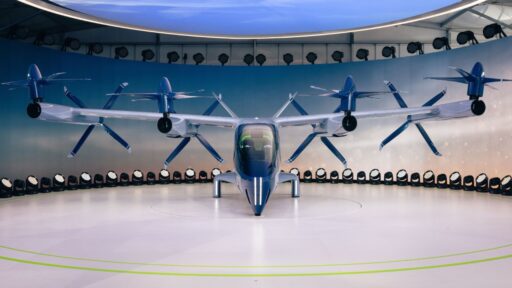
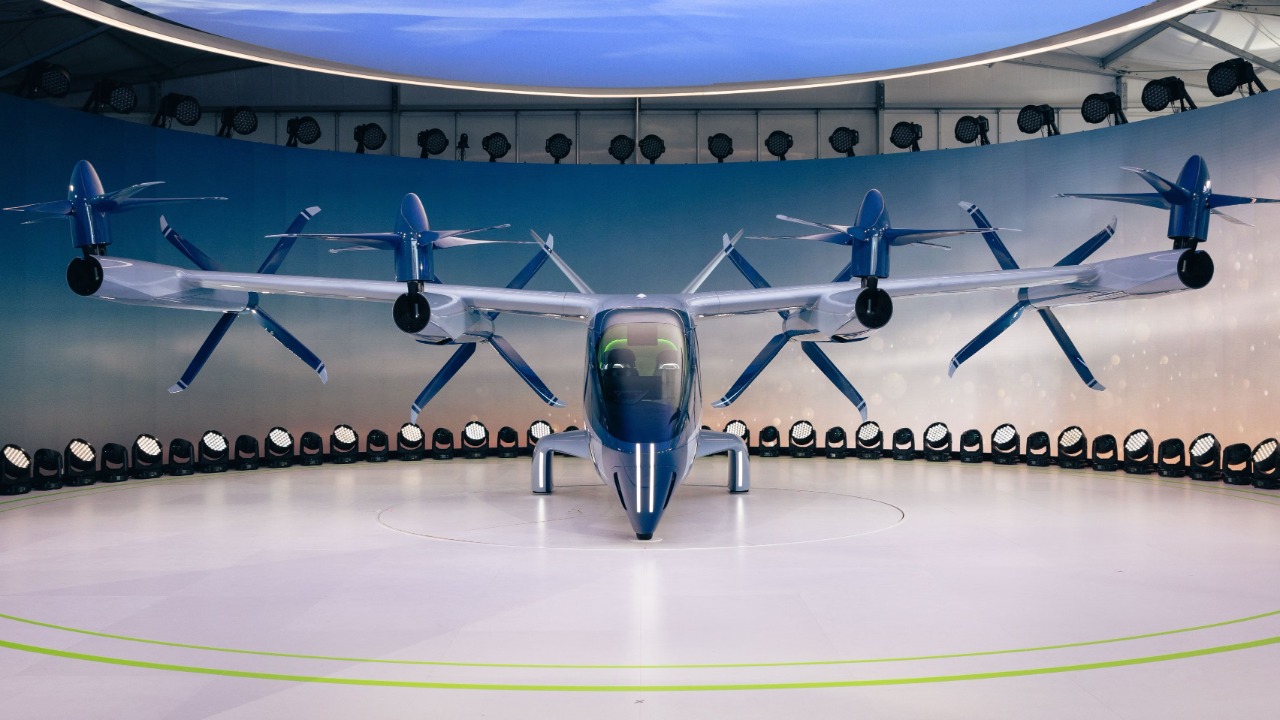

Dubai is moving one step closer to turning science fiction into daily transport, with residents now being told they will soon be able to order an air taxi much like a regular ride-hailing car. The city is positioning flying vehicles as part of its mainstream mobility network, integrated with familiar apps and supported by purpose-built vertiports.
The project brings together electric vertical take-off and landing aircraft, dedicated skyports, and app-based booking into a single service that city officials want to grow from premium novelty into a practical option for cross-town trips.
How Dubai’s app-based flying rides are being set up
Authorities in Dubai have confirmed that residents will be able to book air taxi rides through a mobile application, with the service framed as an extension of existing digital transport tools that already power much of the city’s mobility. Officials have presented the air taxi as part of a long-term strategy to make public and shared transport account for a larger share of daily journeys, rather than an isolated tech experiment.
The air taxis are planned to operate from a network of vertiports that link key parts of the city. Early plans focus on high-demand corridors that connect central business districts, major residential clusters, and the main international airport. By anchoring the first routes around these nodes, planners aim to capture travelers who already rely on ride-hailing or metro connections but are willing to pay a premium to cut travel time dramatically.
Local reporting has highlighted that Dubai residents will “soon” be able to book these air taxi rides through an app, with the service integrated into the same digital ecosystem that supports taxis, metro, and buses. The project is being overseen by Dubai’s transport authorities, who have framed the air taxi as part of a broader smart mobility roadmap that includes autonomous vehicles and advanced traffic management.
Officials have stressed that the aircraft will be electric and designed for short urban hops, aligning the service with the city’s environmental goals. Electric propulsion reduces direct emissions over dense areas and also cuts noise compared with conventional helicopters, which is a key factor for public acceptance in residential neighborhoods.
According to local coverage, the air taxi initiative is being rolled out in collaboration with specialist aviation and infrastructure partners, with the government providing regulatory support and right of way for vertiports. Planners have described a phased introduction that starts with a small number of routes and aircraft, then scales up as operations, safety procedures, and demand patterns become clearer. Dubai’s stated ambition is to make advanced air mobility a visible, everyday part of its transport mix, not just a tourist attraction.
Officials have also indicated that pricing will initially sit above standard taxis, reflecting the premium nature of the service, but that they expect costs to fall as fleets grow and operations become more efficient. The booking experience is expected to mirror ride-hailing, with users selecting a vertiport, viewing estimated travel time and fare, and confirming the trip inside a familiar interface. Local residents have been told to expect this functionality inside a dedicated air taxi app and potentially within the city’s unified transport application, as described in reporting that noted Dubai residents will soon be able to book such rides through an app-based system for air taxi rides.
Why app-based flying taxis matter for Dubai right now
Dubai has spent years branding itself as a testbed for future transport, from driverless shuttles to automated metro lines, and the move to app-booked air taxis fits that narrative. The timing is significant because city planners are grappling with rising congestion as population and tourism increase, especially along corridors that are difficult to expand with traditional road projects.
Air taxis promise to lift some of that pressure vertically by shifting a slice of high-value trips into the air. Even if the service starts with a small fleet, it targets journeys where time savings are disproportionate, such as airport transfers or trips between business hubs that can be choked at ground level. For executives, medical staff, or time-sensitive cargo, cutting a 45-minute drive to a 10-minute flight can change how they plan their day.
The project also has reputational stakes. Dubai’s leadership has repeatedly pushed for the city to be seen as a global reference point for smart infrastructure, and visible flying vehicles that residents can actually book from their phones are a powerful symbol of that ambition. The air taxi initiative sends a message to investors and technology partners that the city is willing to move from pilot projects to real services, backed by regulation and public infrastructure.
There is an economic dimension as well. Advanced air mobility is attracting significant private investment worldwide, and Dubai’s early commitment positions local companies, airports, and service providers to claim a share of that value. Vertiport construction, aircraft maintenance, software development, and operations all create specialized jobs that align with the city’s push toward high-tech industries.
For residents, the significance is more practical. If the service is priced and scheduled intelligently, it could become a realistic option for urgent trips, not just a luxury novelty. Integration with existing public transport apps and payment systems lowers the friction of trying it, while clear rules on safety, noise, and flight paths help address concerns about privacy and disruption. The city’s dense cluster of high-rise neighborhoods means that air traffic management will need to be precise, which in turn can drive improvements in digital mapping, navigation, and urban planning.
At the same time, the project raises questions that will shape public debate. How equitable can such a service be if it remains expensive for most residents? How will regulators balance innovation with safety and noise constraints? The answers will influence whether flying taxis become a mainstream tool for urban mobility or stay confined to a small, affluent user base.
What to watch as Dubai’s flying-car service scales up
The next phase for Dubai’s app-booked air taxis will hinge on a few concrete milestones. The most immediate is the completion and certification of the initial vertiports, which must meet aviation safety standards while fitting into dense urban sites. These facilities need to handle passenger security, charging for electric aircraft, and integration with ground transport, all within tight footprints near major roads or metro stations.
Regulators will also finalize operational rules that govern flight paths, altitude, weather limits, and emergency procedures. Because air taxis operate at low altitude over populated areas, authorities must coordinate closely with existing helicopter routes, restricted zones, and airport approaches. Clear rules will be essential before the service can move beyond demonstration flights into regular, on-demand operations.
On the technology side, aircraft manufacturers and operators will work to prove reliability and safety over thousands of flight hours. Electric vertical take-off and landing aircraft involve complex software and battery systems, which regulators will scrutinize closely. Performance in Dubai’s heat is another key test, since high temperatures can affect battery efficiency and lift.
If early operations go smoothly, the city will then face decisions about how quickly to expand routes and fleet size. A larger network that connects more residential districts could spread benefits beyond business travelers and tourists, but it also increases the complexity of managing airspace and community impact. Authorities will likely track usage patterns, public feedback, and noise data from the first routes before committing to a broader rollout.
Pricing and accessibility will be another frontier. If the service remains a premium option, it may still relieve some congestion and support the city’s innovation brand, but it will not transform everyday mobility. Over time, operators could experiment with dynamic pricing, subscription models, or integration with corporate travel budgets to fill seats and lower per-passenger costs.