
A powerful May tornado outbreak produced 162 tornadoes in a single day, making it the second-most active one-day tornado outbreak ever recorded. The scale of the event shows how quickly severe weather can turn from a forecast risk into a historic disaster across multiple communities.
Tornado outbreaks are not unusual during spring in the United States, but a one-day count this high is extraordinary. Most tornado days produce only a handful of confirmed twisters. A day with dozens of tornadoes is serious. A day with more than 100 tornadoes belongs in a different category entirely.
The NOAA Storm Prediction Center tracks severe weather reports, including tornadoes, hail, and damaging wind events. These reports are later reviewed by National Weather Service offices through damage surveys, radar analysis, storm reports, and field investigations. That process is important because early tornado numbers can change after experts confirm whether damage paths came from separate tornadoes, straight-line winds, or repeated storms over the same area.
Why 162 Tornadoes in One Day Is So Unusual
A single-day tornado count of 162 is rare because it requires several ingredients to come together over a large area at the same time. The atmosphere needs warm, humid air near the surface, strong wind shear, instability, lift, and storms that can rotate. When these ingredients overlap across multiple states, supercell thunderstorms can form and produce tornado after tornado.
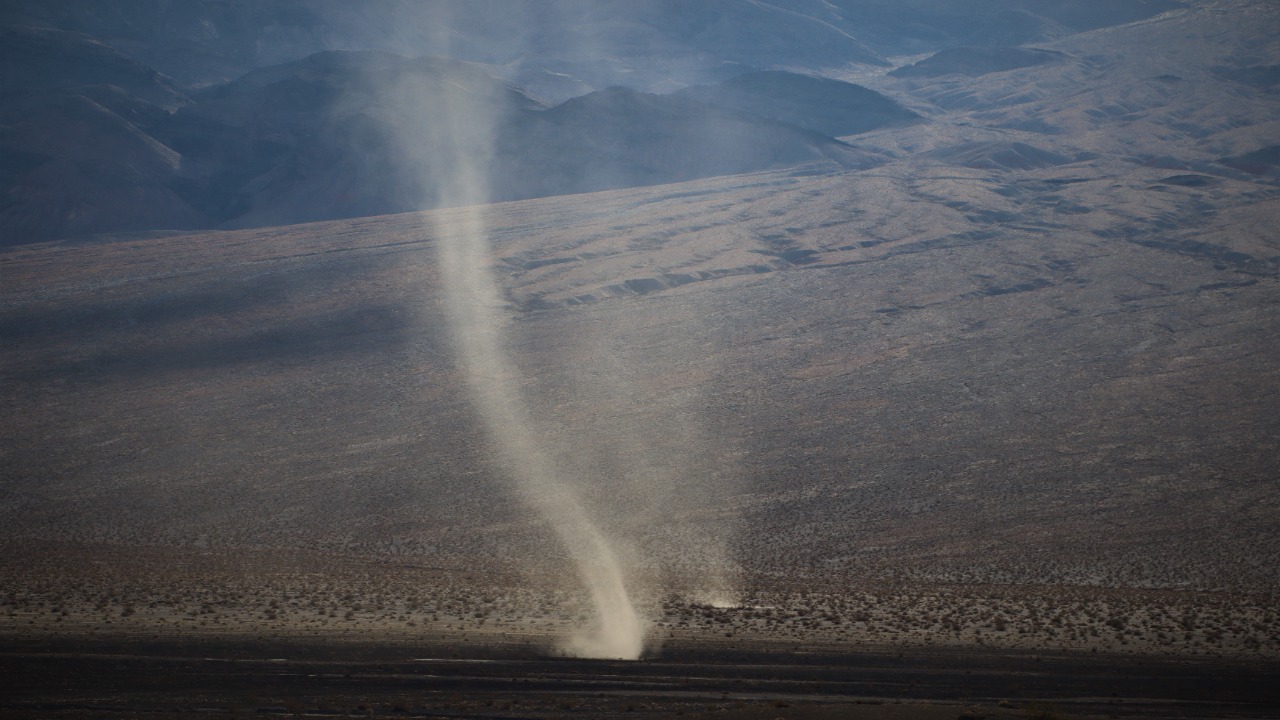
The National Weather Service explains that tornadoes form from powerful thunderstorms and can create violent rotating columns of air that extend from a storm to the ground. While many tornadoes are brief and weak, stronger tornadoes can destroy homes, flip vehicles, damage schools, snap trees, and leave long paths of destruction.
A day with 162 tornadoes is not just a meteorological statistic. It means many communities may have faced warnings, sirens, power outages, blocked roads, emergency rescues, and damaged neighborhoods within the same 24-hour period. Even if most tornadoes are weaker, the total number creates a huge public safety challenge.
How Tornado Outbreaks Become Historic
A tornado outbreak happens when multiple tornadoes are produced by the same weather system. Some outbreaks are local and short-lived. Others stretch across several states and last for many hours. The most dangerous outbreaks often involve long-track tornadoes, nighttime tornadoes, fast-moving storms, and multiple rounds of severe weather.
Historic outbreaks usually stand out for one of three reasons: the number of tornadoes, the intensity of the strongest tornadoes, or the human impact. A day with 162 tornadoes stands out mainly because of volume. It means the atmosphere kept producing tornadic storms repeatedly across a broad region.
The NOAA National Centers for Environmental Information publishes tornado climate summaries that help place outbreaks into long-term context. These records show that tornado activity can vary widely from year to year, but the largest outbreaks remain rare because they require an unusually favorable setup.
What Makes May So Active for Tornadoes?
May is often one of the most active tornado months in the United States. During this time of year, warm, moist air from the Gulf of Mexico often pushes northward and collides with cooler, drier air from the west or north. Strong winds higher in the atmosphere can then help thunderstorms rotate.
This combination is common across the Great Plains, Midwest, Mississippi Valley, and parts of the South during spring. The result can be classic severe weather setups with supercells, squall lines, large hail, damaging winds, and tornadoes.
The NOAA tornado education page notes that the United States experiences more tornadoes than any other country, largely because of its geography. Warm Gulf moisture, dry air from the Rockies and Southwest, and strong upper-level winds can overlap in ways that support severe storms.
Why Wind Shear Matters
Wind shear is one of the most important ingredients in tornado outbreaks. It refers to changes in wind speed or direction with height. When winds near the ground blow from one direction and stronger winds higher up blow from another direction, thunderstorms can begin rotating.
That rotation can help produce a supercell thunderstorm, the type of storm most often associated with strong tornadoes. Not every supercell produces a tornado, but when instability, moisture, lift, and wind shear are all strong, the tornado risk can increase quickly.
During major outbreaks, wind shear can remain favorable over a large area for many hours. This allows multiple storms to rotate at once. In the most active outbreaks, one storm may produce several tornadoes, while other storms nearby do the same.
Why Tornado Counts Can Change After the Event
The number 162 is dramatic, but tornado counts are not always final immediately after an outbreak. Early reports can include duplicate sightings, radar-indicated tornadoes, storm spotter reports, emergency management reports, and public damage reports. After the storm, National Weather Service teams survey damage and decide how many tornadoes actually occurred.
A single long damage swath may be one long-track tornado, or it may be multiple tornadoes produced by the same storm. In other cases, what looked like tornado damage may be straight-line wind damage. This is why official counts can rise or fall as surveys are completed.
The National Weather Service storm survey process is essential after major severe weather events because it helps determine tornado tracks, widths, wind speeds, start points, end points, and Enhanced Fujita Scale ratings. These details are used for records, insurance claims, emergency planning, engineering studies, and future forecasting research.
Understanding the Enhanced Fujita Scale
Tornadoes in the United States are rated using the Enhanced Fujita Scale, also called the EF Scale. This system estimates tornado wind speeds based on damage to buildings, trees, power poles, and other structures. Ratings range from EF0 to EF5.
An EF0 tornado may cause light damage, such as broken tree branches or minor roof damage. An EF1 can damage roofs, mobile homes, and trees more seriously. EF2 and EF3 tornadoes can cause major structural damage. EF4 and EF5 tornadoes are violent and can destroy well-built homes.
The Storm Prediction Center’s tornado FAQ explains how tornado ratings are assigned and why damage surveys are needed. Tornadoes are not usually measured directly with instruments because they are small, fast-moving, and dangerous. Instead, experts estimate wind speed based on what the tornado did to objects in its path.
Why One-Day Outbreaks Are So Dangerous
One-day tornado outbreaks are dangerous because emergency systems can become overwhelmed. When dozens or hundreds of tornadoes occur in one day, warnings may be issued across multiple states. Local emergency managers must respond to damage, rescue calls, blocked roads, power outages, and injuries while new storms are still forming.
A large outbreak can also create warning fatigue. People may receive multiple alerts during the same day and begin to ignore them. That can be deadly if a later warning is more serious than earlier ones.
Nighttime tornadoes add another layer of danger. People may be asleep, unable to see the storm, or less likely to receive warnings. Mobile homes, vehicles, and poorly sheltered buildings are especially dangerous during tornadoes. This is why weather radios, phone alerts, and a clear shelter plan matter.
What People Should Do During a Tornado Warning
When a tornado warning is issued, people should move quickly to the safest available shelter. The best option is a basement or storm shelter. If that is not available, the safest place is usually a small interior room on the lowest floor, away from windows. Bathrooms, closets, and hallways can be safer than large rooms with exterior walls.
The Ready.gov tornado safety guide advises people to know their shelter location in advance, sign up for alerts, and protect themselves from flying debris. Flying debris is one of the biggest causes of tornado injuries, so covering the head and body with a mattress, blanket, helmet, or heavy clothing can help.
People should not try to outrun a tornado in a vehicle in crowded or urban areas. If shelter is nearby, it is safer to get inside a sturdy building. Overpasses are not safe tornado shelters because winds can accelerate through them and debris can be funneled underneath.
Why Mobile Homes Face Higher Risk
Mobile homes and manufactured homes are especially vulnerable during tornadoes, even in weaker storms. They can be rolled, lifted, or destroyed by winds that may not seriously damage a well-built permanent structure. This is one reason tornado preparedness plans should include a stronger nearby shelter.
People living in mobile homes should identify a safe place before storms arrive. That could be a community shelter, neighbor’s basement, school, church, public building, or designated storm shelter. Waiting until a tornado warning is issued may leave too little time.
During a large outbreak, storms can move fast and warnings may cover many counties. Having a plan before the day begins can save lives.
How Forecasting Has Improved
Tornado forecasting has improved significantly over the past several decades. Meteorologists can now identify severe weather setups days in advance. The Storm Prediction Center issues outlooks that highlight areas at risk for severe thunderstorms, tornadoes, large hail, and damaging winds.
However, predicting exactly where each tornado will form is still extremely difficult. Tornadoes are small compared with large weather systems, and small changes in storm structure can determine whether a tornado touches down. Forecasts can identify risk zones, but they cannot always pinpoint every community that will be hit.
This is why people should take broad severe weather outlooks seriously. If forecasters warn that a major outbreak is possible, residents should prepare before storms form, not after the first warning appears.
Is Climate Change Affecting Tornado Outbreaks?
The relationship between climate change and tornadoes is complex. Scientists are more confident that climate change increases atmospheric moisture and can influence severe thunderstorm environments, but tornado records are difficult to interpret because reporting methods have changed over time.
The Center for Climate and Energy Solutions explains that while the total number of tornado days has not clearly increased, research suggests that tornadoes may be occurring on fewer days with more tornadoes per outbreak. This means outbreaks may become more concentrated, with more tornadoes happening during the most active events.
That pattern matters because a concentrated outbreak can be more dangerous than the same number of tornadoes spread across many days. Emergency response, public attention, and warning systems all face more pressure when many tornadoes happen quickly.
Why Records Like This Matter
A 162-tornado day matters because records help scientists understand extreme weather risk. They also help emergency managers prepare for worst-case scenarios. If outbreaks are becoming more concentrated, communities may need stronger shelter planning, better alert systems, more resilient infrastructure, and faster damage response.
Records also help the public understand that tornado risk is not limited to traditional “Tornado Alley.” In recent years, many major tornado events have affected the Midwest, Southeast, Mississippi Valley, and parts of the East. Tornadoes can happen outside the classic Plains states, and they can occur at night, in winter, and in urban areas.
The lesson is not that every storm will become historic. The lesson is that extreme outbreaks are possible, and preparation matters before the sky turns dangerous.
Final Takeaway
A May outbreak that produced 162 tornadoes in a single day ranks as the second-most active one-day tornado outbreak ever recorded. That number shows how powerful and widespread severe weather can become when the atmosphere lines up in the wrong way.
The outbreak also highlights the importance of accurate forecasts, fast warnings, storm shelters, weather radios, and public awareness. Tornadoes can form quickly, move violently, and affect many communities in a short period of time.
For people living in tornado-prone areas, the safest approach is preparation before the warning. Know where to shelter, keep alerts turned on, avoid windows, protect against flying debris, and take every tornado warning seriously. A historic outbreak is rare, but when one happens, minutes can make the difference between safety and disaster.