
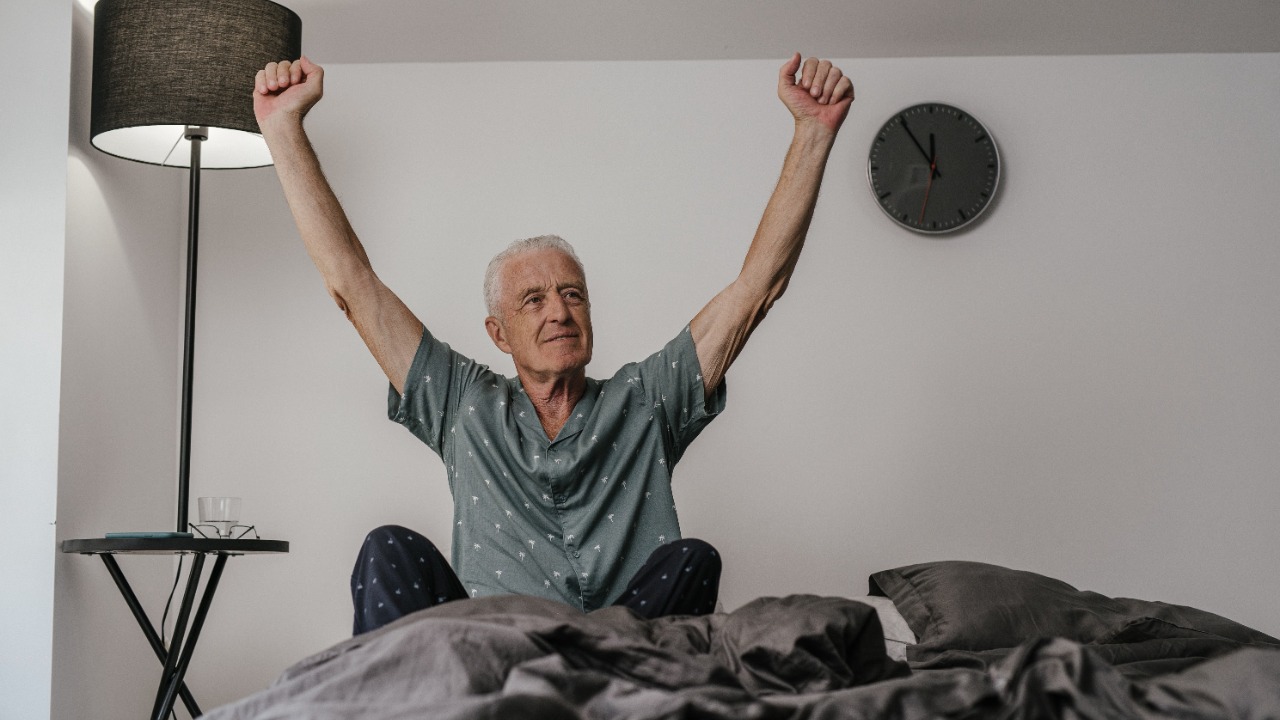

Researchers say a cluster of eight everyday habits could dramatically reshape how long people live, potentially adding up to 24 extra years of life for those who adopt them early and stick with them. The finding reframes longevity less as a matter of genetics and more as a series of daily choices that accumulate over decades.
These habits are not exotic biohacks or expensive therapies. They are familiar behaviors such as moving more, sleeping better, eating a balanced diet and avoiding nicotine, combined into a lifestyle pattern that appears to shift the odds of a long life in a measurable way.
How the eight-habit longevity formula took shape
The new longevity formula comes from research that pooled health and lifestyle data from large groups of adults and tracked who lived longer and who died earlier. One analysis of U.S. veterans found that people who followed eight specific behaviors lived up to 24 years longer than peers who followed none of them, with the gap largest for those who adopted the habits by middle age. Reporting on the same work describes how the risk of early death climbed steadily as each healthy habit dropped away, creating a clear dose response between lifestyle and lifespan.
Separate coverage of the findings highlights the same core set of behaviors: avoiding smoking, keeping to a healthy level of physical activity, managing stress, sleeping well, eating a nutrient dense diet, limiting alcohol, maintaining positive social connections and steering clear of opioid misuse. An analysis of the data shared with one outlet notes that men who adopted all eight habits by age 40 could gain around two decades of life expectancy compared with peers who adopted none, while women gained slightly more.
Earlier work on lifestyle and mortality had already pointed in this direction. A large study of adults in the United Kingdom linked a cluster of simple lifestyle changes to longer life and lower risk of chronic disease, including heart disease and cancer. Coverage of that research described how people who never smoked, stayed physically active, ate more fruits and vegetables and kept a moderate body weight tended to live several years longer than those who did not follow those patterns, with similar trends now echoed in the newer eight habit analysis.
Health reporters who reviewed the underlying data have distilled the habits into practical language. One summary of the research lists the behaviors as regular physical activity, not smoking, good sleep, healthy diet, moderate alcohol intake, maintaining positive social relationships, managing stress and avoiding opioid use. Another breakdown of the same evidence emphasizes that no single habit explains the full benefit. Instead, each behavior appears to shave a bit off the risk of early death, and the effects add up when people combine them.
Why the longevity habits resonate right now
The timing of the research helps explain the strong public response. Many people are emerging from years of pandemic disruptions with worse sleep, higher stress and more sedentary routines, and the idea that small daily changes can meaningfully extend life feels both urgent and actionable. Coverage of the eight habit study notes that even adopting a few of the behaviors, rather than all eight, was linked to a noticeable drop in mortality risk, which makes the findings feel less all or nothing for people who feel far from an ideal lifestyle.
Sleep has captured particular attention. A report on sleep and longevity highlights an analysis in which people who regularly enjoyed high quality sleep, defined by consistent duration, minimal insomnia and feeling rested, had a lower risk of dying early than those with poor sleep, even after accounting for other health factors. Another outlet describes how a specific sleep pattern, going to bed and waking at similar times and avoiding long-term sleep deprivation, could quietly add years to life by lowering risks of cardiovascular disease and metabolic problems. The message is that sleep is not just a side effect of health but a driver of it.
Movement is another pillar that resonates in an era of desk jobs and screen time. A review of research on walking notes that people who walk daily, even at modest intensity, see improvements in blood pressure, blood sugar, mood and body weight, all of which feed into long term survival. One analysis found benefits at levels as low as a few thousand steps per day, with more steps linked to greater gains, which supports the idea that everyday movement like walking the dog, taking stairs or doing household chores can be part of a longevity strategy.
Public health experts also point to the psychological appeal of the eight habit framework. An overview of the research for a general audience stresses that the habits are framed as behaviors to add rather than strict prohibitions. Instead of focusing only on quitting smoking or cutting alcohol, the list encourages people to build routines like regular exercise and social connection that can make other changes easier. That framing can reduce the sense of deprivation that often sinks lifestyle resolutions.
For clinicians, the findings arrive as patients ask more questions about longevity and prevention. A report on small daily habit changes describes how doctors are using the research to guide conversations away from short term weight loss and toward long term risk reduction, emphasizing that even modest improvements in diet quality, sleep consistency or activity can move the needle on life expectancy. In that coverage, physicians describe using the eight habit list as a menu, inviting patients to pick one or two changes that feel realistic rather than trying to overhaul their lives at once.
What adopting the eight habits could look like next
The research does not prescribe a single program, which leaves room for interpretation and experimentation. Health writers who have translated the findings into everyday advice suggest starting with the habits that feel most achievable and then layering others over time. For physical activity, that might mean aiming first for regular walking before adding structured workouts. For someone who already exercises, the next step might be improving sleep or cutting back on alcohol.
Several outlets have highlighted concrete examples. One guide to longevity habits suggests building a 20 to 30 minute daily walk into an existing routine, such as walking to a transit stop or doing a loop around the neighborhood after dinner, to hit the activity target. Another practical summary recommends simple dietary shifts, like replacing sugary drinks with water, adding a serving of vegetables at lunch and dinner and choosing whole grains over refined ones, as realistic ways to move toward a healthier eating pattern without a strict diet label.
On the sleep front, coverage of the research on bedtime routines points to steps such as keeping a regular schedule, limiting caffeine in the afternoon, dimming screens before bed and creating a dark, cool bedroom environment. These changes align with the patterns identified in the sleep longevity studies and are framed as manageable tweaks rather than a total lifestyle reboot.
Experts also see a role for policy and workplace changes. If eight common habits can shift life expectancy by decades, then environments that make those habits easier could have large public health effects. Some commentators have argued for urban planning that encourages walking and cycling, workplace policies that protect time for sleep and recovery, and healthcare systems that screen more consistently for smoking, opioid misuse and social isolation. The same research that informed the eight habit list has been cited in discussions about preventive care and insurance incentives, with the argument that supporting healthy routines could reduce long term costs.
At the individual level, the next phase is likely to involve more personalized guidance. As more data accumulates, clinicians may be able to tell patients which habits would yield the greatest benefit given their age, medical history and current lifestyle. For a heavy smoker, quitting nicotine might deliver the largest immediate gain. For someone already smoke free and active, improving sleep or building stronger social connections could matter more.