
Consumer Reports’ latest 2026 brand rankings put Chrysler, GMC, Ram, Jeep and Rivian at the bottom of the pack, a blunt verdict on reliability at a time when buyers face high prices and long loan terms. The findings sharpen an already stark contrast between brands that build a reputation on dependability and those struggling with quality issues and complex new technology.
For shoppers, the list is more than a scoreboard. It offers a snapshot of which automakers are sending owners back to the service bay, and which ones are quietly losing trust just as the industry leans harder on software, electrification and shared platforms.
How Consumer Reports’ 2026 rankings put five brands on the bottom rung
Consumer Reports bases its annual brand scores on detailed owner surveys that track problems across powertrains, electronics, body hardware, in-car tech and more. In the latest report card, Chrysler, GMC, Ram, Jeep and Rivian sit at the lowest end of the brand ladder, behind rivals that include both traditional Japanese leaders and several Korean and European marques. The rankings reflect not only how often vehicles break, but also the severity of those faults and how frequently they recur across the lineup.
The gap between these lagging brands and the strongest performers mirrors a broader pattern in which Japanese manufacturers still dominate long-term dependability. A recent comparison of Japanese versus American found that Japanese brands, helped by conservative powertrain choices and slower tech rollouts, continue to post fewer problems per vehicle. That long-running advantage means that when an American brand lands near the bottom of Consumer Reports’ table, it is often competing not just with direct domestic rivals, but with imported models that have built-in reputational momentum.
Within the 2026 data, the weakest brands share some common traits. Many rely heavily on large trucks and SUVs, often with complex four-wheel-drive systems, turbocharged or high-output engines and heavy towing use. Owner surveys highlight repeated issues with transmissions, infotainment glitches, noisy suspensions and premature wear on steering and braking components. In several cases, plug-in hybrid or fully electric variants add another layer of software and charging-related complaints that drag down brand averages.
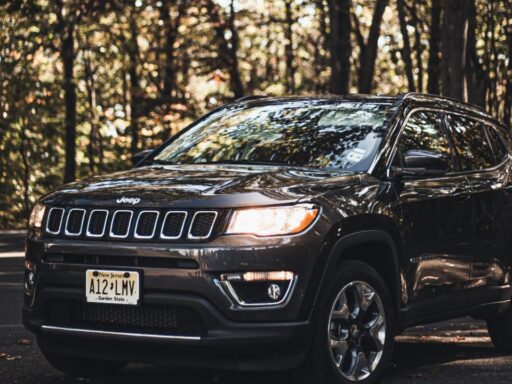
Model-level results help explain why these five automakers cluster at the bottom. An overview of most and least shows multiple Stellantis products, including Chrysler and Jeep models, appearing on lists of least dependable nameplates. The same tables highlight that while some individual vehicles from these brands perform acceptably, they are outweighed by trucks and SUVs that generate far more trouble spots per hundred vehicles than segment leaders.
Why low reliability scores for Chrysler, GMC, Ram, Jeep and Rivian matter in 2026
Landing at the bottom of Consumer Reports’ brand rankings carries real-world consequences. Many shoppers use the scores as a shortcut when choosing between similar vehicles, especially in crowded segments like midsize SUVs and half-ton pickups. A breakdown of best and worst shows that the same brands now tagged as least reliable are competing against rivals that not only score higher, but often offer comparable towing, performance and features. In a market where monthly payments can stretch over seven years, a perceived reliability penalty can quickly become a deal-breaker.
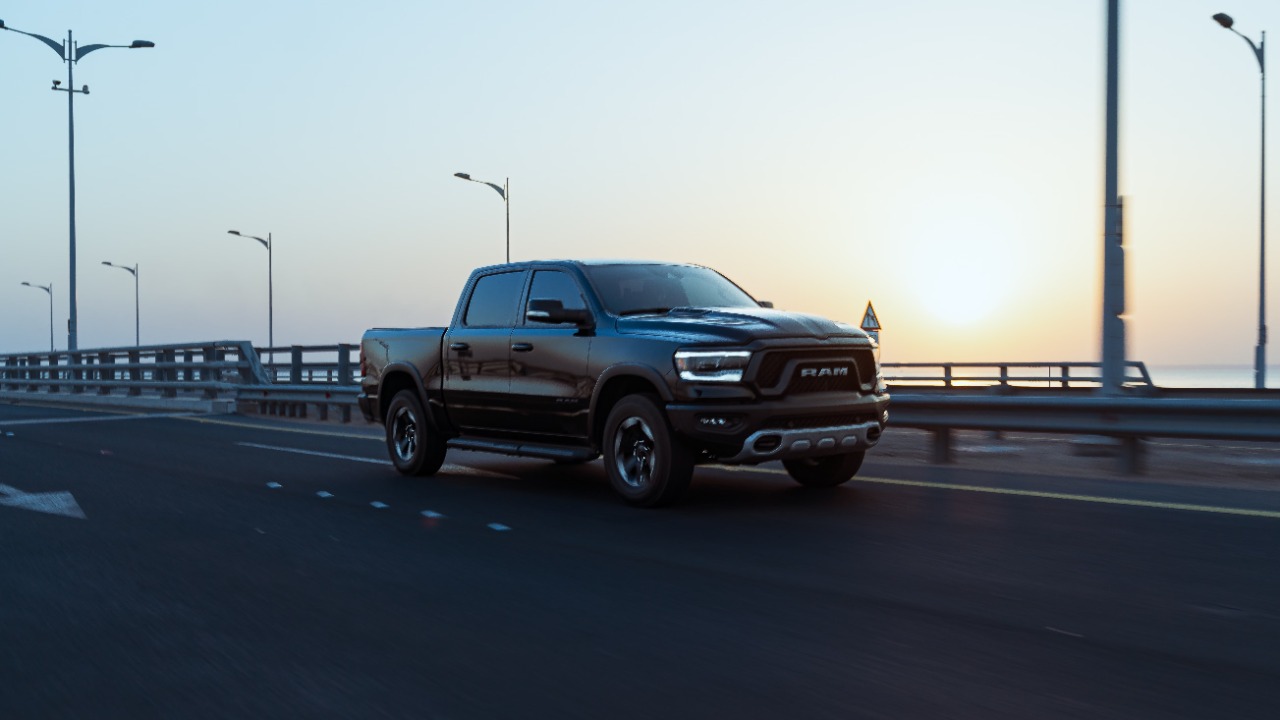
The stakes are especially high for Stellantis, which controls Chrysler, Jeep and Ram. These brands rely heavily on loyalty from truck and SUV buyers who expect their vehicles to handle work duty, family hauling and off-road trips without repeated failures. When Consumer Reports owner data flags chronic issues with engines, transmissions or electronic systems on popular models, it undercuts that loyalty and gives rivals a simple marketing message: similar capability with fewer headaches.
GMC faces a related problem. The brand positions itself as a more premium counterpart to Chevrolet, with higher prices justified by styling, features and perceived refinement. If GMC sits near the bottom of reliability rankings while Chevrolet scores higher, the value proposition becomes harder to defend. Shoppers who see the two brands sharing platforms and components may simply gravitate toward the cheaper badge if they believe reliability will be the same or better.
Rivian’s presence among the lowest-rated brands has a different flavor. As a young electric vehicle maker selling the R1T pickup, R1S SUV and EDV commercial vans, Rivian is still building its reputation. Early adopters often accept some rough edges, but Consumer Reports’ data suggests that owners are reporting more problems than buyers of established EVs. A review of winners and losers notes that new EV brands frequently struggle with software stability, charging hardware and fit-and-finish issues, all of which can swamp a small lineup’s average score.
There is also a tension between reliability and owner satisfaction that complicates the picture. Some trucks and SUVs from these low-ranked brands still earn high marks for driving enjoyment, comfort or capability, even as they rack up repair visits. A survey of reliability versus satisfaction shows that certain models with poor dependability scores can still leave owners feeling happy overall, often because performance or design outweighs the frustration of occasional breakdowns. That dynamic helps explain why Jeep, for example, can sustain strong enthusiasm among off-road fans even when its vehicles appear near the bottom of reliability charts.
For consumers, the key implication is that brand averages hide a lot of variation. A Chrysler minivan or GMC crossover can have a different reliability story than a heavy-duty Ram pickup or a plug-in Jeep SUV, even though they share a corporate parent. Shoppers who treat the 2026 rankings as a starting point, then drill down to model-level data, will have a clearer sense of which specific vehicles carry the highest risk.
How these struggling brands could respond and what buyers should watch next
Low placement in Consumer Reports’ 2026 rankings is not a permanent sentence. Automakers have a track record of climbing the charts when they simplify powertrains, extend testing cycles and address known trouble spots with redesigned components. Industry reporting on recent brand scorecards points to several companies that moved up by focusing on fewer, more mature platforms instead of chasing rapid model proliferation.
For Chrysler, GMC, Ram and Jeep, the most direct path to improvement lies in tackling chronic issues on high-volume trucks and SUVs. That includes transmission tuning on heavy-duty pickups, durability of four-wheel-drive hardware and the reliability of complex infotainment systems. Reducing the number of engine and gearbox combinations can cut variability and make it easier to refine calibration and parts quality. Stellantis has already signaled a shift toward shared architectures and electrified powertrains across its brands, which could either concentrate problems or, if executed carefully, spread improvements quickly.
Rivian’s challenge is different, since it is still ramping production and updating vehicles frequently through over-the-air software. Early data suggests that many of its problems involve electronics, charging and minor hardware rather than catastrophic drivetrain failures. That profile gives Rivian a chance to improve its reliability standing relatively quickly if it can stabilize software and tighten supplier quality. The company’s small lineup means that a fix on a single platform can have an outsized impact on brand scores in future surveys.
Consumers, meanwhile, should treat the 2026 rankings as a living document. New model years and mid-cycle refreshes can change the picture, particularly when automakers redesign problem components or retire troublesome engines. Lists of least reliable 2026 show that a handful of specific vehicles drive much of the negativity around some brands. If those models are discontinued or heavily updated, the brand’s overall standing can shift in just a year or two.
Shoppers who still want what these brands offer can manage risk with a few practical steps. Choosing simpler trims with fewer complex options, such as air suspensions or panoramic roofs, can cut down on potential failure points. Checking whether a model has been on the market for several years without major redesigns often correlates with better reliability, since early bugs have been worked out. Extended warranties and certified pre-owned programs can also soften the financial impact if a vehicle from a lower-ranked brand develops issues.