
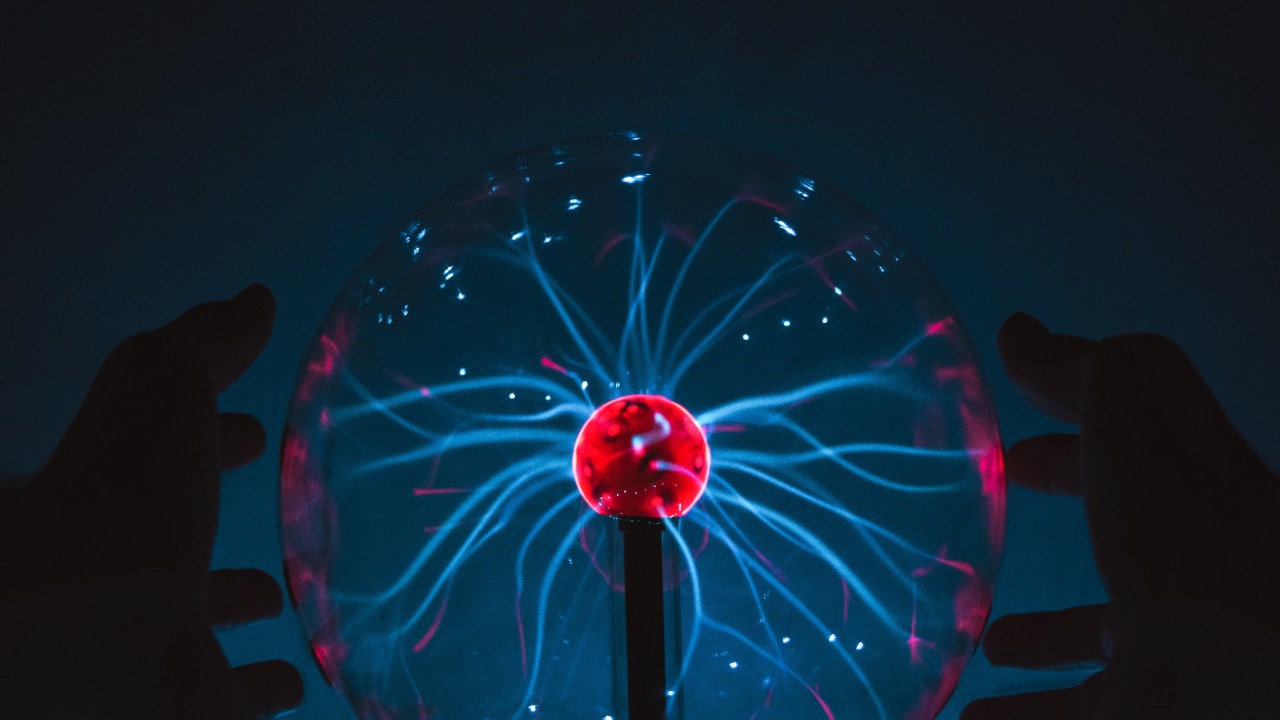

Many people recognize a sharp, metallic or chlorine-like smell after a static shock, near an old electric motor or around equipment that has sparked. The odor is often described as the smell of electricity, but electrical energy itself has no scent.
What the nose detects is usually a chemical created when electrical activity changes the surrounding air. In some situations, the odor may come from ozone. In others, it may be produced by heated dust, melting insulation or burning plastic inside an electrical device.
The science behind the smell is interesting, but it can also carry an important safety warning. A faint odor after a tiny static spark may be harmless and short-lived. A recurring electrical smell coming from an outlet, appliance or breaker panel can indicate overheating or arcing that requires immediate attention.
Electricity Itself Has No Smell
Electricity is the movement or presence of electric charge. It is a form of energy and does not contain airborne molecules that can enter the nose and activate smell receptors.
For something to have an odor, volatile molecules generally need to travel through the air and interact with receptors in the nasal cavity. Electricity cannot do that by itself.
The familiar “electric” smell therefore comes from substances produced or released when electrical energy interacts with air and nearby materials. The two most common explanations are ozone formation and the heating or breakdown of plastics, dust and insulation.
This distinction explains why different electrical situations do not always smell exactly alike. A small static spark may create a clean, sharp odor, while an overheating extension cord may produce a heavier smell resembling hot plastic or chemicals.
Electrical Sparks Can Create Ozone
The sharp odor associated with sparks is frequently caused by ozone, a gas made of three oxygen atoms.
Normal oxygen in the atmosphere primarily exists as molecules containing two oxygen atoms. A sufficiently energetic electrical discharge can split some of those oxygen molecules apart. The separated oxygen atoms can then combine with other oxygen molecules to form ozone.
Ozone is colorless to pale blue and has a strong, pungent odor. The National Institute for Occupational Safety and Health describes it as a gas with a very distinctive smell, while older industrial safety documents have compared it with chlorine, musty hay or an “electrical odor.”
The NIOSH information on ozone explains that the gas can be generated around electrical equipment and other high-energy processes.
This reaction can occur around electrical arcs, static sparks, photocopiers, some electric motors and certain air-cleaning devices. The amount produced depends on the strength of the electrical discharge, the surrounding environment and how long the equipment operates.
Why Static Shocks Sometimes Leave a Sharp Smell
A person walking across carpet in dry weather can accumulate electric charge. Touching a metal object may release that charge as a brief spark.
Although the spark is tiny, it can momentarily ionize the nearby air and create a very small amount of ozone. That can produce a faint sharp smell close to the discharge.
The odor should disappear quickly because the quantity is normally small and ozone is unstable. It gradually breaks down into ordinary oxygen.
A single small static spark is therefore very different from equipment that continuously produces electrical arcing. Repeated sparks can generate more ozone and may also indicate damaged components or poor electrical connections.
Lightning Can Produce a Similar Odor
The smell noticed before or after a thunderstorm is sometimes described as electricity in the air. Ozone may be part of that experience, although rain, soil and plant chemicals also contribute to the overall storm smell.
Lightning creates an extremely powerful electrical discharge that can split oxygen and nitrogen molecules in the atmosphere. Some of those fragments recombine into ozone and nitrogen-containing compounds.
Downdrafts can carry these chemicals toward the ground, where people may notice a clean or sharp scent. However, the earthy smell associated with rainfall, commonly linked with compounds released from soil, is chemically different from ozone.
The odor alone is not a dependable way to determine whether lightning is approaching. People should follow official weather warnings and move indoors when thunder is heard rather than relying on changes in smell.
Sometimes the Smell Is Not Ozone at All
Many odors described as electrical are actually produced by heat.
Dust can accumulate inside heaters, fans, computers and other equipment. When the device warms up after a long period without use, the dust may briefly produce a dry, burnt smell.
Electrical components also contain plastic insulation, adhesives, resins and circuit-board materials. If a wire, motor or connection overheats, those materials may begin to soften or break down, releasing noticeable chemical odors.
Melting wire insulation can smell like burning plastic, rubber or chemicals. Older electrical components may sometimes produce an odor people describe as fishy. Unlike the clean, sharp smell associated with ozone, these heavier odors can indicate that material is overheating.
A new appliance may release a temporary manufacturing odor during its first use, but persistent smoke, excessive heat or a worsening smell should never be dismissed as normal.
Electrical Arcing Can Produce Both Ozone and Burning Odors
Arcing occurs when electricity jumps through the air between conductors instead of following its intended path.
A loose connection, damaged wire or worn switch can create a small gap where the electrical current repeatedly jumps. That discharge may generate ozone while also producing enough heat to damage insulation and surrounding materials.
The result can be a mixture of sharp ozone, hot metal and burning plastic smells.
Arcing may also cause crackling, buzzing, flickering lights, discoloration or heat around an outlet or switch. These signs can appear intermittently, making the problem easy to ignore until the damage becomes more serious.
An electrical arc can reach extremely high temperatures and ignite nearby combustible material. A persistent electrical smell therefore should not be treated as a harmless curiosity when it comes from household wiring or an appliance.
Ozone Is Not Harmless Just Because It Smells Clean
Ozone is sometimes associated with freshness because its odor may be noticeable after storms or around certain cleaning devices. In reality, it is a lung irritant.
The U.S. Environmental Protection Agency warns that ozone can cause breathing problems in healthy people as well as those with respiratory conditions. Exposure may irritate the lungs, worsen asthma and increase susceptibility to respiratory infections.
The EPA’s guidance on ozone-generating air cleaners explains that the smell is not a reliable safety measure. People can become less sensitive to the odor over time, meaning harmful levels may remain even when the scent seems weaker.
NIOSH lists an occupational ceiling recommendation of 0.1 parts per million for ozone, while much higher acute exposure can cause severe respiratory injury.
A person should therefore not intentionally breathe near sparking equipment to identify the smell. The source should be shut down or avoided instead.
When the Smell May Signal an Electrical Emergency
A faint odor immediately after a single static spark is usually temporary. The situation becomes more concerning when the smell continues, returns repeatedly or appears near wiring and powered equipment.
An outlet, light switch, charger or appliance that smells unusual and also feels hot may have a loose connection or internal failure. Buzzing, popping, smoke, sparks and black marks increase the level of concern.
The safest response is to stop using the device and disconnect it only when that can be done without touching a hot, smoking or visibly damaged component. Power to the affected circuit may need to be turned off at the breaker panel.
A licensed electrician should inspect suspected household-wiring problems. Electrical panels, outlets and wiring should not be opened by an untrained person because dangerous voltage may remain present.
When smoke or fire is visible, occupants should leave the building and contact emergency services from a safe location. Water should never be thrown onto an energized electrical fire.
A Burning Smell Can Travel Away From the Source
Electrical odors can be difficult to locate because warm air and ventilation systems carry them through a building.
A smell noticed in one room may originate inside a wall, from an appliance in another area or from a failing component in a heating-and-cooling system. The odor may also disappear when the device cools, only to return when demand increases.
This pattern is common with overloaded circuits, failing motors and loose connections that heat up only during use.
People should pay attention to when the odor appears. A smell that begins whenever a microwave, heater or air conditioner operates provides an important clue, but the device should not be repeatedly tested when an electrical fault is suspected.
Carbon Monoxide Cannot Be Smelled
People sometimes confuse an unusual furnace or generator odor with carbon monoxide. Carbon monoxide is colorless and odorless, meaning the human nose cannot detect it.
A smell near fuel-burning equipment may come from exhaust, hot materials or incomplete combustion, but the absence of odor does not prove that carbon monoxide is absent.
Homes with fuel-burning appliances should have working carbon monoxide alarms installed according to manufacturer and local safety guidance. The Consumer Product Safety Commission’s carbon monoxide information explains why alarms are essential.
Generators must never be operated inside a home, garage or enclosed area because lethal carbon monoxide can accumulate even when doors or windows are open.
What the “Electricity Smell” Really Means
People cannot literally smell electricity. They smell the chemical and physical effects created when electrical energy interacts with air, dust, metal and insulation.
A brief static spark may create a trace of ozone. Lightning and electrical arcs can produce the same gas on a larger scale. Overheating equipment can release odors from burning dust, plastic or wire insulation.
The context determines whether the smell is merely interesting or potentially dangerous.
A momentary scent after a small static shock usually disappears without consequence. A continuing sharp, fishy or burning odor from an appliance, outlet or electrical panel should be treated as a warning.
The nose may not detect electricity itself, but it can sometimes detect the evidence that electricity is behaving in a way it should not.