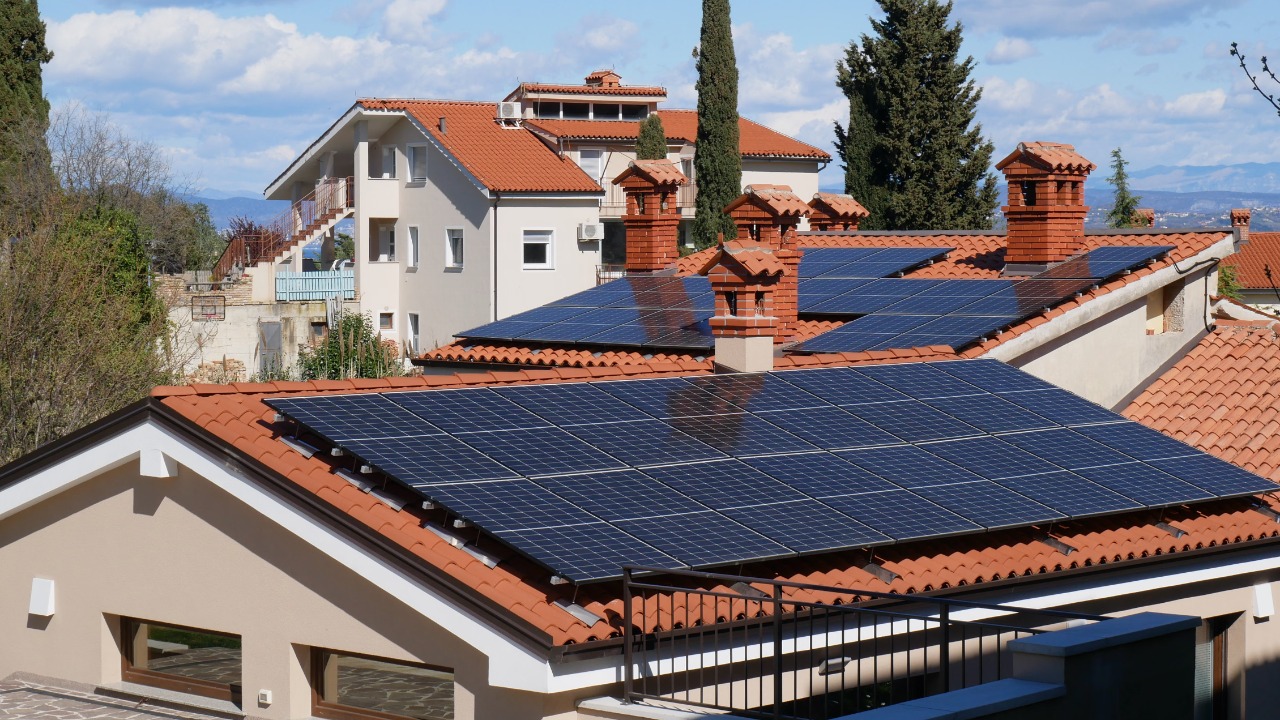

Home solar power can reduce electricity purchases, lower household emissions and provide greater protection from rising utility rates. However, installing solar panels is not automatically a good financial decision for every homeowner.
The result depends on the property’s location, roof condition, electricity consumption, local utility rules, financing terms and the length of time the owner expects to remain in the house. A system that produces attractive savings for one property may deliver a much weaker return for another home only a few streets away.
Before signing an installation agreement, homeowners should understand the five main disadvantages of switching to residential solar power.
Solar Power Requires a Significant Upfront Investment
The most obvious disadvantage of home solar is the initial cost. A complete rooftop system may include solar panels, mounting equipment, an inverter, wiring, electrical upgrades, permits, inspections and installation labor.
Adding battery storage can raise the total price substantially. Batteries can provide backup power and store daytime electricity for evening use, but they also add equipment, installation and eventual replacement costs.
Tax incentives and local rebates may reduce the financial burden, but they should not be treated as guaranteed discounts until eligibility has been confirmed. Solar tax rules have changed over time, and the available benefits may depend on when the equipment is placed in service, who owns the system and whether the property qualifies.
The Internal Revenue Service’s Residential Clean Energy Credit page contains the current federal eligibility information. Homeowners should review it directly or consult a qualified tax professional rather than relying only on a salesperson’s estimate.
Financing can make the upfront cost appear manageable by replacing it with a monthly payment. However, the final cost may increase significantly once interest, dealer fees and loan charges are included.
A proposal showing a low monthly payment may extend over 15, 20 or 25 years. During that period, the homeowner could pay considerably more than the original cash price.
The calculation becomes especially risky when projected savings depend on aggressive assumptions about future electricity-rate increases. If utility prices rise more slowly than expected, the financial return may take longer to appear.
Solar Production Depends on the Property and the Weather
Solar panels do not produce the same amount of electricity on every roof. Their output depends on sunlight, roof orientation, panel angle, local climate, shading and system design.
A south-facing roof with minimal shade may perform well in many parts of the Northern Hemisphere. A roof facing another direction can still support solar, but its production may be lower. Trees, chimneys and neighboring buildings can also reduce output during important daylight hours.
Cloudy weather does not stop solar production entirely, but it reduces the amount of energy generated. Seasonal changes matter as well. Shorter winter days may create a large difference between summer and winter output.
Snow, dust, leaves and debris can temporarily restrict production. Panels may require cleaning or inspection in areas with heavy pollution, dry dust, bird activity or limited rainfall.
The system must therefore be designed around the property’s real solar potential rather than a generic estimate. The Department of Energy’s Homeowner’s Guide to Solar explains how roof condition, shade, energy use and local electricity prices influence whether residential solar makes financial sense.
Solar also does not normally provide electricity during a grid outage unless the system includes compatible battery storage and equipment designed for backup operation. Standard grid-connected systems usually shut down automatically during an outage to protect utility workers from electricity flowing back into damaged lines.
Homeowners seeking reliable emergency power must therefore confirm that the proposed system includes actual backup capability. Simply having panels on the roof does not guarantee that lights, refrigeration or heating equipment will continue operating when the grid fails.
The Roof May Need Expensive Work Before or After Installation
A solar system can remain on a roof for 20 years or longer. Installing panels over a roof that may need replacement soon can create avoidable expense.
When roofing work becomes necessary, contractors may need to remove the panels, store them and reinstall them after the new roof is completed. That process adds labor costs and creates another opportunity for damage or installation problems.
Homeowners should have the roof professionally inspected before approving a solar project. Its remaining life should be reasonably aligned with the expected service period of the panels.
The roof structure must also be capable of supporting the system. Although solar panels are not usually excessively heavy, damaged framing, moisture problems or older construction may require reinforcement.
Roof penetrations introduce another concern. Mounting hardware must be properly flashed and sealed to prevent leaks. Poor installation can allow water to enter around attachment points and damage insulation, ceilings or structural wood.
National Renewable Energy Laboratory installation specifications emphasize weather-tight roof penetrations and safe access for future inspection, maintenance and component replacement. Homeowners can review these standards through the NREL photovoltaic installation specifications.
Even a well-installed system can complicate later roof inspections and repairs because panels cover part of the surface. Roofers may charge more when they must work around electrical equipment and mounting rails.
For that reason, replacing an aging roof before installing solar can be more practical than attempting to delay the roofing expense.
Long-Term Maintenance and Equipment Replacement Still Cost Money
Solar panels are often marketed as maintenance-free, but an entire photovoltaic system contains more than panels.
The inverter is a critical component that converts the direct-current electricity produced by the panels into alternating current that household appliances can use. Inverter problems can stop or reduce system production even when every panel remains functional.
Research associated with the National Renewable Energy Laboratory has identified power-conversion equipment as a major source of service calls and operating costs in photovoltaic systems.
Inverters may not last as long as the panels, meaning a homeowner could face at least one replacement during the system’s operating life. Battery systems also lose usable capacity gradually and may eventually require replacement.
Other possible expenses include monitoring-system failures, damaged wiring, pest intrusion, storm damage, loose mounting components and panel cleaning.
Warranties can reduce some costs, but their value depends on the company remaining in business and honoring the agreement. A long warranty from a financially unstable installer may provide little protection several years later.
Equipment warranties, production guarantees, workmanship warranties and roof-penetration warranties are also different. A contract may cover the panel hardware while excluding labor, shipping, troubleshooting or damage to the roof.
Homeowners should determine who is responsible for diagnosing a problem and whether service calls carry additional charges. They should also confirm whether another qualified contractor can work on the system without voiding its warranty.
Contracts, Utility Policies and Home Sales Can Create Complications
The financial return from home solar depends heavily on local utility rules. Some utilities credit exported solar electricity at close to the retail rate, while others pay much less.
Net-metering policies, connection fees, time-of-use rates and fixed monthly charges can all change the value of the system. A household may generate excess energy during the afternoon but still buy expensive electricity in the evening.
Utility policies can also change after installation. Existing customers may receive temporary protection under older rules, but homeowners should not assume that today’s compensation structure will remain unchanged for the system’s full life.
Ownership structure adds another layer of complexity. A homeowner who buys the system generally owns the equipment and may receive the available incentives. A leased system or power-purchase agreement places ownership with another company and may create a long-term contract attached to the property.
When the home is sold, the buyer may need to assume the agreement, qualify financially or require the seller to buy out the contract. This can slow negotiations and make the property less attractive to buyers who do not want the obligation.
The Federal Trade Commission’s guide to home solar advises consumers to understand whether they are buying, leasing or entering a power-purchase agreement and to investigate the installer’s history before signing.
Solar sales practices are another concern. Some sellers promise that panels will eliminate electricity bills, increase property value immediately or qualify for a “free government program.” These claims may ignore financing charges, utility fees, roof conditions and tax-credit eligibility.
The FTC warns homeowners to obtain quotes from reputable licensed providers and avoid companies that apply pressure to sign immediately or refuse to provide the complete agreement.
Every proposal should clearly show the cash price, financed price, interest rate, dealer fees, estimated annual production, assumed utility-rate increases and expected payback period.
Is Switching to Solar Still Worth It?
These disadvantages do not mean home solar is a poor investment. A properly designed system can produce meaningful long-term savings for a homeowner with a suitable roof, strong sunlight, high electricity costs and favorable utility policies.
The problem begins when solar is treated as a universal solution.
The strongest candidates usually own their homes, expect to stay for several years and have roofs with adequate remaining life. They also understand their electricity consumption and can compare projected solar production with actual utility bills.
A professional energy assessment should come before a sales decision. Reducing energy waste through insulation, air sealing, efficient cooling equipment or appliance upgrades may lower the size and cost of the solar system required.
Homeowners should compare several detailed quotes and avoid choosing an installer based solely on the lowest monthly payment. The full contract cost and realistic lifetime savings matter more than the advertised panel count.
Solar power can be valuable, but it is still a major home improvement involving construction, electrical equipment and long-term financial commitments. Understanding the upfront expense, production limitations, roofing issues, maintenance needs and contract risks allows homeowners to decide whether solar genuinely fits their property rather than accepting a sales promise based on ideal conditions.