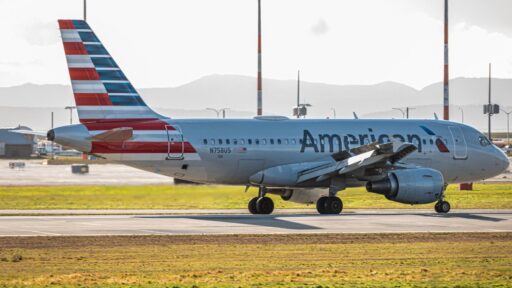
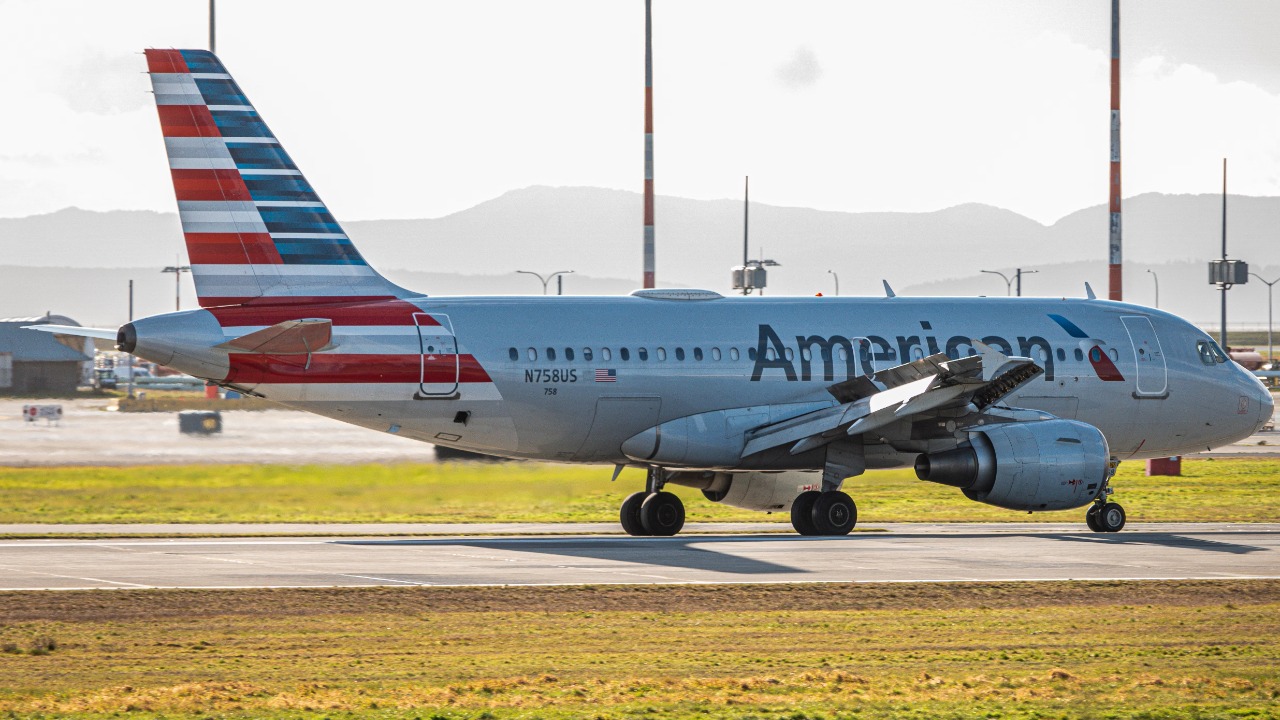

An American Airlines regional jet made an emergency landing after smoke was detected in the cabin, forcing passengers to evacuate onto the taxiway after landing. The incident is another reminder that personal electronic devices can become serious in-flight hazards when batteries overheat, smoke, or catch fire.
The aircraft was American Eagle flight 5318, operated by PSA Airlines, traveling from Ronald Reagan Washington National Airport to Kansas City. According to CNN reporting carried by KESQ, the crew declared an emergency shortly before landing after smoke was reported in the cabin. The CRJ-900 landed safely, and all 76 passengers evacuated onto the taxiway.
Congressman Tracey Mann of Kansas was on board and posted video after the landing, saying there was smoke on the aircraft and thanking first responders. The Federal Aviation Administration said it would investigate the incident.
What Happened on the Flight
The flight was close to Kansas City when smoke was reported in the cabin. Air traffic control audio cited in the report captured the pilot declaring an emergency as the aircraft was only a short distance from landing.
The plane landed safely, but the situation did not end at the gate. Passengers evacuated on the tarmac, including some who climbed out onto the wing. Emergency crews responded, and American Airlines said the safety of customers and team members was its top priority.
The exact source of the smoke was still under investigation. Early reports described smoke in the cabin, while the broader safety concern centers on the growing number of in-flight incidents involving passenger electronics, lithium batteries, power banks, phones, laptops, tablets, cameras, headphones, and other rechargeable devices.
Why Smoke in an Aircraft Cabin Is Serious
Smoke in an airplane cabin is treated seriously because passengers and crew are in an enclosed space with limited escape options until the aircraft lands. Even a small smoking device can create panic, breathing difficulty, and confusion. If the smoke comes from a lithium-ion battery, the risk can escalate because overheating batteries can ignite, vent hot gases, or restart after appearing controlled.
Airline crews are trained to respond quickly to smoke and fire. They may move passengers away from the source, use fire extinguishers, place the device in a containment bag, cool it with water if appropriate, and coordinate with pilots for a possible diversion or emergency landing.
The Federal Aviation Administration’s PackSafe lithium battery guidance tells passengers to notify flight crew immediately if a lithium battery or battery-powered device is overheating, expanding, smoking, or burning. That advice matters because cabin crew can act only if they know what is happening.
Why Passenger Devices Are a Growing Fire Risk
Modern travelers bring more rechargeable devices than ever. A single passenger may carry a phone, earbuds, smartwatch, laptop, tablet, camera, vape, power bank, wireless charger, gaming device, or medical device. Multiply that by dozens or hundreds of passengers, and one flight can carry hundreds of lithium-powered products.
Most batteries are safe when made well, charged properly, and undamaged. But a defective, crushed, overheated, counterfeit, or poorly handled lithium-ion battery can enter thermal runaway. That is when heat inside the battery triggers a self-sustaining reaction, creating smoke, fire, flammable gases, or explosion risk.
The FAA has repeatedly warned that damaged or defective batteries can overheat and cause heavy smoke or fires on aircraft. Its lithium batteries in baggage guidance explains why spare batteries, portable chargers, e-cigarettes, and vaping devices should remain in the cabin rather than checked baggage: crew can respond to smoke or fire in the cabin, but not inside the cargo hold.
Why Carry-On Placement Matters
Passengers often assume batteries are safer packed away, but aviation rules usually require spare lithium batteries and power banks to travel in carry-on baggage. That is not because batteries cannot fail. It is because a failure in the cabin can be seen and handled.
If a power bank overheats inside a checked bag deep in the cargo hold, crew may not see the problem quickly. Fire suppression systems exist, but lithium battery fires can be difficult and complex. In the cabin, flight attendants can identify the device, isolate it, cool it, and monitor it.
The safest place for spare lithium batteries and portable chargers is accessible carry-on storage, not buried under layers of clothing, not packed in checked luggage, and not left charging unattended inside a bag.
Why Charging During Flight Can Add Risk
Charging itself is not automatically dangerous, but it can add stress to a weak or damaged battery. A power bank or phone that is already faulty may heat up while charging. If it is covered by a blanket, wedged between seats, hidden in a bag, or pressed under a passenger, heat may build faster.
Some airlines have tightened rules around in-flight charging with power banks. Reuters reported that the FAA issued a safety alert in 2025 after dozens of U.S.-reported incidents involving lithium battery smoke, fire, or extreme heat. Airlines have been urged to review training and communicate battery risks more clearly to passengers.
The practical lesson is simple: if you charge a device in flight, keep it visible, uncovered, and easy to reach. If it becomes hot, swells, smells strange, smokes, or makes popping sounds, stop using it and call a flight attendant immediately.
What Passengers Should Not Do
Passengers should not try to hide a smoking device, move it around casually, stuff it into a seat pocket, throw it into a bag, or pour random liquids on it without crew direction. They should not keep charging it to “see if it settles down.” They should not ignore heat or swelling because they feel embarrassed.
A smoking lithium battery is not a normal inconvenience. It is a safety event.
The correct action is to alert cabin crew immediately. Flight attendants are trained and equipped for onboard smoke and fire response. They need fast information about where the device is, what it is, whether it is still charging, and whether anyone was burned or exposed to smoke.
Why Evacuation Can Be Risky Too
Emergency evacuations are dangerous even when the aircraft lands safely. Passengers may panic, trip, block aisles, grab luggage, or move toward exits before crew instructions. Smoke makes this worse because people may have trouble seeing and breathing.
In this American Airlines incident, passengers evacuated onto the taxiway after landing. That type of evacuation can prevent passengers from remaining in a smoky cabin, but it also requires discipline. People should leave bags behind, follow crew commands, move away from the aircraft, and avoid standing near engines, wings, fuel areas, or emergency vehicles unless directed.
Grabbing luggage during an evacuation can slow everyone behind you and may injure other passengers. In a smoke or fire event, seconds matter.
Why Crew Training Is Critical
Cabin crews are the first line of defense in device-smoke incidents. They must identify the source, protect passengers, use fire extinguishers correctly, cool overheated devices, communicate with pilots, and decide whether a device needs containment or continuous monitoring.
Pilots must then decide whether to continue, divert, or declare an emergency based on the source of smoke, severity, aircraft position, passenger condition, and available airports. In the American Eagle case, the crew declared an emergency and landed.
That decision reflects the safety-first logic of aviation. Smoke in the cabin is not something crews “wait out” if there is uncertainty. They respond conservatively because the consequences of underreacting can be severe.
Why Regional Jets Can Feel More Intense
The aircraft involved was a CRJ-900 regional jet. Regional jets are smaller than large mainline aircraft, so smoke may feel more concentrated and alarming inside the cabin. Passengers are closer together, the aisle is narrower, and evacuation can feel more urgent.
That does not mean regional jets are unsafe. It means cabin incidents can feel more immediate because the space is compact. A small amount of smoke can seem dramatic, especially if passengers can smell burning electronics or see crew moving quickly.
This is why passenger cooperation matters. Staying seated until instructed, keeping aisles clear, and alerting crew quickly can help prevent confusion.
Why Lithium Battery Incidents Are Increasing
Lithium battery incidents have increased because lithium-powered devices are everywhere. Phones, laptops, tablets, e-bikes, scooters, portable chargers, cameras, vapes, smart luggage, and wireless accessories have become normal travel items.
The FAA has tracked hundreds of lithium battery incidents over the years, including smoke, fire, extreme heat, and explosions involving passenger devices. The issue is not that every device is dangerous. It is that even rare failures become more common when millions of devices fly every year.
Cheap or counterfeit batteries add to the risk. Poor-quality chargers, damaged cables, swollen batteries, water exposure, crushed devices, and overheated power banks can also increase failure chances.
What Travelers Should Check Before Flying
Before flying, travelers should inspect devices and chargers. A battery that is swollen, cracked, leaking, unusually hot, or no longer charging normally should not be brought onboard. A power bank with unclear labeling, no capacity marking, or suspicious build quality should be replaced with a reputable product.
Spare lithium batteries should be protected from short circuits. That means keeping them in original packaging, plastic cases, battery sleeves, or with terminals covered. Loose batteries should not bounce around with keys, coins, tools, jewelry, or other metal objects.
Passengers should also check airline and FAA limits for battery capacity. Most consumer power banks are allowed in carry-on bags, but larger batteries may require airline approval or may be prohibited.
Why Vapes and E-Cigarettes Are a Special Concern
E-cigarettes and vaping devices contain lithium batteries and heating elements. They are not allowed in checked baggage in the United States because they can accidentally activate or overheat. They must be carried in the cabin, but they cannot be used or charged during flight.
Vapes can be especially risky if they are damaged, low-quality, modified, or carried loosely with metal items. A device that turns on accidentally in a bag or pocket can overheat before anyone notices.
Passengers should turn off vaping devices fully, protect them from accidental activation, and follow airline rules. Using or charging them onboard is both unsafe and prohibited.
Why Power Banks Need Extra Attention
Power banks are one of the most common lithium battery products travelers carry. They can also contain larger batteries than phones. A faulty power bank can produce significant smoke and heat.
Travelers should buy power banks from reputable brands, avoid counterfeit products, and stop using any bank that swells, smells, heats abnormally, or has been dropped hard. They should not charge a power bank while it is buried inside a backpack or overhead bin.
If using a power bank during a flight, keep it visible and reachable. Do not leave it plugged in under a blanket, inside a seat crack, or in a bag where heat cannot escape.
Why Passengers Should Tell Crew Early
Some passengers hesitate to call flight attendants because they do not want to cause alarm. That delay can be dangerous. A battery that is hot or smoking may worsen quickly.
Flight crews would rather respond early to a warm or swelling device than respond late to smoke spreading through the cabin. Early notice gives crew more options. They can unplug the device, move it, isolate it, cool it, and monitor it before it becomes a larger emergency.
The FAA’s guidance is clear: tell the crew immediately if a device is overheating, expanding, smoking, or burning.
What Happens After an Incident
After a smoke event, the aircraft may be inspected before returning to service. Investigators may examine the device, battery, seat area, cabin materials, smoke source, crew response, and passenger reports. The airline may also file reports with aviation safety authorities.
The FAA said it would investigate the American Eagle incident. That investigation may determine the exact smoke source, whether a passenger device was involved, whether any rules were violated, and whether additional safety actions are needed.
Passengers may be rebooked, evaluated by medical personnel, or interviewed about what they saw. Even when no one is seriously injured, the event can disrupt schedules and create lasting fear for those onboard.
Why This Incident Should Not Make People Fear Flying
Commercial aviation remains very safe, and cabin crews are trained for smoke and fire events. The American Airlines flight landed, passengers evacuated, and emergency responders handled the situation. That is how the safety system is supposed to work.
The lesson is not that passengers should stop carrying phones or laptops. The lesson is that lithium-powered devices deserve respect. They should be packed correctly, kept accessible, charged carefully, and reported immediately if they show warning signs.
Every passenger plays a small role in cabin safety. A device in your bag can affect everyone on board if it fails.
Final Takeaway
An American Airlines regional jet operated by PSA Airlines made an emergency landing after smoke was detected in the cabin on a flight from Washington, D.C., to Kansas City. The crew declared an emergency, the CRJ-900 landed safely, and all 76 passengers evacuated onto the taxiway while first responders arrived. The FAA said it would investigate.
The incident highlights the growing concern around passenger electronic devices and lithium batteries in aircraft cabins. Phones, power banks, laptops, tablets, vapes, and other rechargeable devices are safe most of the time, but damaged or defective batteries can overheat, smoke, burn, or trigger emergency landings.
Passengers should keep spare batteries and power banks in carry-on baggage, not checked luggage, and keep charging devices visible and accessible. If a device gets hot, swells, smells strange, smokes, or burns, alert the flight crew immediately. In the air, even a small smoking battery can become a serious cabin emergency.