
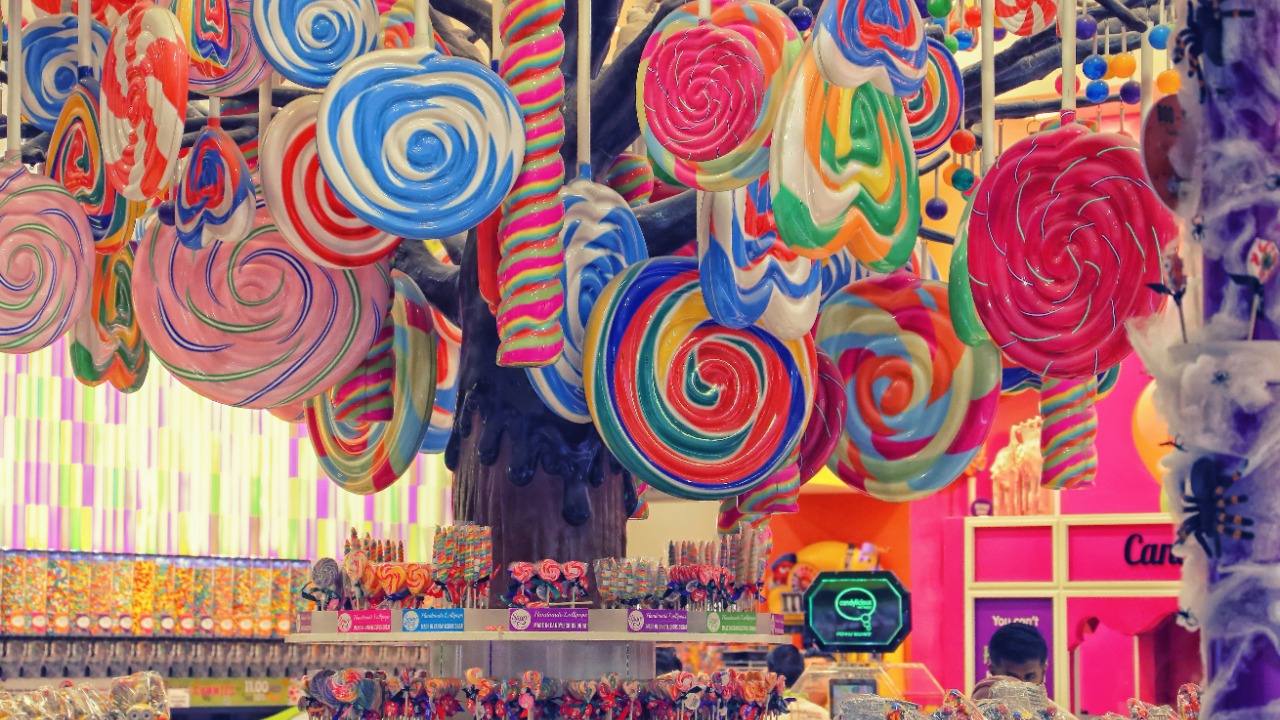

Brightly colored soft drinks, candy, desserts, snacks, and packaged treats may look fun, but new research is raising concern that food dyes could be linked to a higher risk of type 2 diabetes. The finding does not mean one candy or one soda will cause diabetes. It does suggest that frequent exposure to color additives, especially through ultra-processed foods, may be another marker of a diet pattern that harms metabolic health.
The concern comes from large observational studies using data from the French NutriNet-Santé cohort, a long-running nutrition study designed to examine links between diet and health. According to reporting from Le Monde, high exposure to food dyes was associated with a 38% higher risk of type 2 diabetes. The same reporting noted that researchers also found links between higher dye exposure and some cancer risks.
The key word is “linked.” This type of study can show association, not direct proof that dyes alone caused diabetes. Still, the findings add to growing scrutiny around color additives that are often used to make ultra-processed foods more visually appealing without adding nutritional value.
Why Soft Drinks and Candy Are in the Spotlight
Soft drinks and candy are common sources of artificial colors because color is part of their marketing. Bright red, blue, green, yellow, and orange shades make products look sweeter, stronger, fruitier, or more exciting. In many cases, the color has nothing to do with nutrition. It is there to make the product more attractive.
The problem is that these foods are often high in added sugar, low in fiber, and heavily processed. That makes it difficult to separate the effect of the dye from the broader food package. A person who consumes many brightly colored candies and soft drinks may also be consuming more sugar, refined starch, additives, and ultra-processed foods overall.
That does not make the dye finding meaningless. It means the results should be read carefully. Dyes may be part of a larger pattern of food processing that contributes to insulin resistance, weight gain, inflammation, gut-microbiome changes, or metabolic stress.
What Type 2 Diabetes Means
Type 2 diabetes develops when the body has trouble using insulin properly or cannot produce enough insulin to keep blood sugar in a healthy range. Over time, high blood sugar can damage blood vessels, nerves, kidneys, eyes, and the heart.
The Centers for Disease Control and Prevention explains that type 2 diabetes is influenced by several factors, including family history, age, physical activity, weight, diet, and insulin resistance. It usually develops over years, not from a single food or ingredient.
That is why the dye study should not be interpreted as a simple one-cause story. Diabetes risk is shaped by the whole diet, lifestyle, genetics, sleep, stress, body weight, and environment. But when a food additive appears repeatedly in products linked to poor metabolic health, researchers pay attention.
Which Dyes Are Being Discussed
Food dyes can include both synthetic and natural color additives. In the United States, synthetic dyes often appear on ingredient labels as FD&C colors, such as Red 40, Yellow 5, Yellow 6, Blue 1, Blue 2, and Green 3. These are commonly used in candies, beverages, cereals, desserts, snacks, frostings, and flavored products.
The U.S. Food and Drug Administration has been tracking industry pledges to remove several petroleum-based certified color additives from the food supply, including FD&C Green No. 3, FD&C Red No. 40, FD&C Yellow No. 5, FD&C Yellow No. 6, FD&C Blue No. 1, and FD&C Blue No. 2. The agency has also moved to revoke authorization for some older color additives and encourage a shift toward alternatives.
This policy movement shows that dyes are no longer a fringe concern. Regulators, researchers, companies, and consumers are all paying closer attention to what these color additives do and whether they are necessary.
Why the New Research Is Different
Older debates about food dyes often focused on children’s behavior, hyperactivity, allergies, or cancer concerns in animal studies. The newer research looks more broadly at chronic disease risk, including type 2 diabetes.
The NutriNet-Santé cohort is useful because participants provide detailed dietary information over time. Researchers can estimate exposure to food additives based on branded food intake, product databases, and repeated diet records. That is more precise than simply asking people whether they “eat candy” or “drink soda.”
The NutriNet-Santé research infrastructure was developed to study relationships between nutrition, health outcomes, and dietary behaviors. Its strength is scale and detail. Its limitation is that it is still observational. Even careful adjustment cannot fully remove confounding from the rest of a person’s diet and lifestyle.
Why Association Is Not the Same as Proof
A 38% higher risk sounds dramatic, but it should not be misunderstood. Observational studies compare groups of people with different levels of exposure. They can find that people consuming more dyes had a higher rate of type 2 diabetes. They cannot prove that dyes alone caused the disease.
People who consume more dyed foods may differ in many ways from people who consume fewer dyed foods. They may eat more ultra-processed foods, drink more sugary beverages, consume fewer whole foods, exercise less, have different income levels, sleep differently, or face different health risks.
Researchers try to adjust for these factors, but adjustment is never perfect. That is why the best takeaway is not “one dye causes diabetes.” The better takeaway is that high intake of color-additive-heavy ultra-processed foods may be a warning sign for metabolic risk.
Why Ultra-Processed Foods Matter
Many brightly colored foods are ultra-processed. They are engineered for taste, texture, color, shelf life, convenience, and repeat purchase. They often combine refined carbohydrates, added sugars, fats, salt, flavorings, emulsifiers, preservatives, and color additives.
The BMJ has reviewed evidence linking ultra-processed foods to cardiometabolic health concerns, including obesity, cardiovascular disease, and type 2 diabetes. The concern is not only one ingredient. It is the way these products can displace healthier foods and encourage overconsumption.
Synthetic dyes are often cosmetic signals of ultra-processing. They make foods look more appealing, especially to children, but they do not add fiber, protein, vitamins, minerals, or satiety.
Why Sugar Still Matters More Than Color
It would be a mistake to focus only on dyes and ignore sugar. Many soft drinks and candies are major sources of added sugar. High intake of sugar-sweetened beverages is already strongly linked to weight gain, insulin resistance, and type 2 diabetes risk.
If a brightly colored soda contains both synthetic dye and large amounts of sugar, the sugar remains a major metabolic concern. Removing the dye does not turn the drink into a health food. A clear soda with the same amount of sugar can still raise diabetes risk.
The dye finding should therefore be seen as an added warning, not a replacement for existing nutrition advice. Reducing sugary drinks, candy, and ultra-processed snacks remains the bigger priority.
Why “Natural Color” Is Not Automatically Safe
Some people assume that replacing synthetic dyes with natural colors solves the problem. The evidence may be more complicated. Le Monde reported that some natural color additives, including curcumin, beta-carotenes, and caramel colorings, were also associated with higher disease risks in the French studies.
That does not mean turmeric, carrots, or whole foods are dangerous. It means isolated, concentrated, processed color additives may not behave the same way as the same pigment inside a whole food. A carrot is not the same as a purified color additive used in an ultra-processed snack.
The safest advice is not simply to switch from artificial colors to natural colors. It is to eat fewer ultra-processed foods that need cosmetic coloring in the first place.
Why Regulators Are Moving Against Synthetic Dyes
In April 2025, the FDA and HHS announced a plan to phase out petroleum-based synthetic dyes from the U.S. food supply. The effort included working with industry to eliminate several widely used certified color additives and to speed approval of natural alternatives.
The FDA’s stated plan reflects concern that synthetic dyes offer no nutritional benefit and may carry avoidable health risks. Industry groups have responded in different ways. Some companies are reformulating products, while others worry about cost, supply, stability, flavor changes, and consumer acceptance.
The regulatory shift is important because food dyes are used mostly to change appearance. If an additive is cosmetic and there are questions about long-term safety, regulators may decide the benefit is not worth the uncertainty.
Why Food Companies Are Reformulating
Food companies are already reacting to consumer pressure and regulatory scrutiny. Reuters reported that Nestlé planned to cut artificial colorings from its global products by the end of 2026, expanding beyond earlier U.S. reformulation efforts.
This is part of a wider clean-label trend. Consumers increasingly want shorter ingredient lists and fewer artificial additives. Companies also want to avoid being caught on the wrong side of changing regulation.
However, reformulation does not automatically make a product healthy. A candy without synthetic dye is still candy. A brightly packaged drink colored with fruit extract may still contain high sugar or sweeteners. Consumers still need to look at the whole nutrition profile.
Why Children Are a Special Concern
Children are often the target audience for brightly colored candies, drinks, cereals, popsicles, gummies, and snacks. Their smaller body size means exposure per kilogram of body weight can be higher than for adults. They may also develop taste preferences early in life.
Even if the diabetes study focused on adults, the broader concern applies to childhood diet patterns. Children who regularly consume sugary drinks and candy may carry those habits into adulthood. Early exposure to ultra-processed foods can shape cravings, snack routines, and expectations about how food should look and taste.
Parents do not need to panic over occasional treats. But daily exposure to dyed sweets and drinks is different from occasional birthday candy.
How to Read Labels for Food Dyes
In the U.S., synthetic dyes usually appear in the ingredient list by color name and number. Common examples include Red 40, Yellow 5, Yellow 6, Blue 1, Blue 2, Green 3, and Red 3. Labels may also list caramel color, annatto, beta-carotene, turmeric color, vegetable juice color, or other color additives.
A practical rule is to check the ingredient list when a product is unusually bright. Neon-colored drinks, candies, frostings, cereals, fruit snacks, sports drinks, and flavored desserts are more likely to contain added colors.
A product with no synthetic dye is not automatically healthy, but label reading helps people understand what they are eating and how often.
What Consumers Should Do Now
Consumers do not need to remove every color additive overnight. The more realistic approach is to reduce the biggest sources: daily soda, brightly colored sports drinks, candy, fruit-flavored snacks, packaged desserts, and heavily processed treats.
Replacing these with water, unsweetened tea, whole fruit, yogurt without heavy coloring, nuts, homemade snacks, or minimally processed foods can reduce dye exposure and improve overall diet quality at the same time.
The goal is not fear. The goal is frequency control. Occasional candy is unlikely to define diabetes risk. Daily reliance on dyed, sugary, ultra-processed products is more concerning.
What People With Diabetes or Prediabetes Should Know
People with type 2 diabetes, prediabetes, insulin resistance, metabolic syndrome, or a strong family history of diabetes should be especially cautious with sugary drinks and candy. The sugar load itself can worsen blood glucose control, and the newer dye findings add another reason to limit these products.
Anyone managing blood sugar should focus on overall carbohydrate quality, fiber intake, protein balance, physical activity, weight management if needed, sleep, and medical guidance. Food dyes are not the central factor, but dyed ultra-processed foods often come packaged with several diabetes-risk factors.
For these groups, cutting back on colorful soft drinks and candy is a low-risk, high-benefit step.
Why Public Health Experts Care
Even small risk increases can matter at population scale. If millions of people consume dyed ultra-processed foods every day, a modest association with type 2 diabetes could translate into many additional cases over time.
Public health is not only about banning dangerous ingredients. It is also about reducing unnecessary exposures, improving labeling, encouraging better food environments, and making healthier choices easier.
Color additives are a good example because they are often nonessential. They make foods more attractive, but they do not make them more nourishing.
What More Research Is Needed
Researchers need more studies in different populations, including children, people outside Europe, and groups with different diets. They also need experimental studies to understand whether dyes affect inflammation, insulin signaling, gut bacteria, oxidative stress, or appetite regulation.
More research should also separate the effects of individual dyes from the effects of mixtures. People do not eat additives one at a time. A soft drink or candy may contain dyes, acids, preservatives, sweeteners, flavorings, and sugar together.
Understanding mixtures is important because real diets are complex. The health impact of a dye may depend on what else is in the product and how often it is consumed.
Why the Best Advice Is Still Simple
The science may be complex, but the practical advice is straightforward. Eat fewer ultra-processed foods. Drink fewer sugary beverages. Choose whole or minimally processed foods most of the time. Treat candy, soda, brightly colored desserts, and dyed snacks as occasional foods rather than daily habits.
This advice works even if future research finds that dyes are less harmful than suspected, because it also reduces added sugar, refined starch, excess calories, and other additives.
In nutrition, the best changes often come from improving the overall pattern, not obsessing over one ingredient.
Final Takeaway
New research has linked high exposure to food dyes with a higher risk of type 2 diabetes, with one large analysis reporting a 38% increased risk among people with higher dye consumption. Soft drinks, candy, and other brightly colored ultra-processed foods are in the spotlight because they often contain synthetic color additives and are also high in sugar or low in nutritional value.
The study does not prove that synthetic dyes alone cause diabetes. It shows an association, and the risk may reflect the broader pattern of eating more ultra-processed foods. Still, because dyes are mostly cosmetic and provide no nutritional benefit, the findings strengthen the case for cutting back.
Consumers should read labels, reduce brightly colored soft drinks and candy, avoid making dyed ultra-processed snacks a daily habit, and focus on whole foods that do not need artificial color to look appealing.