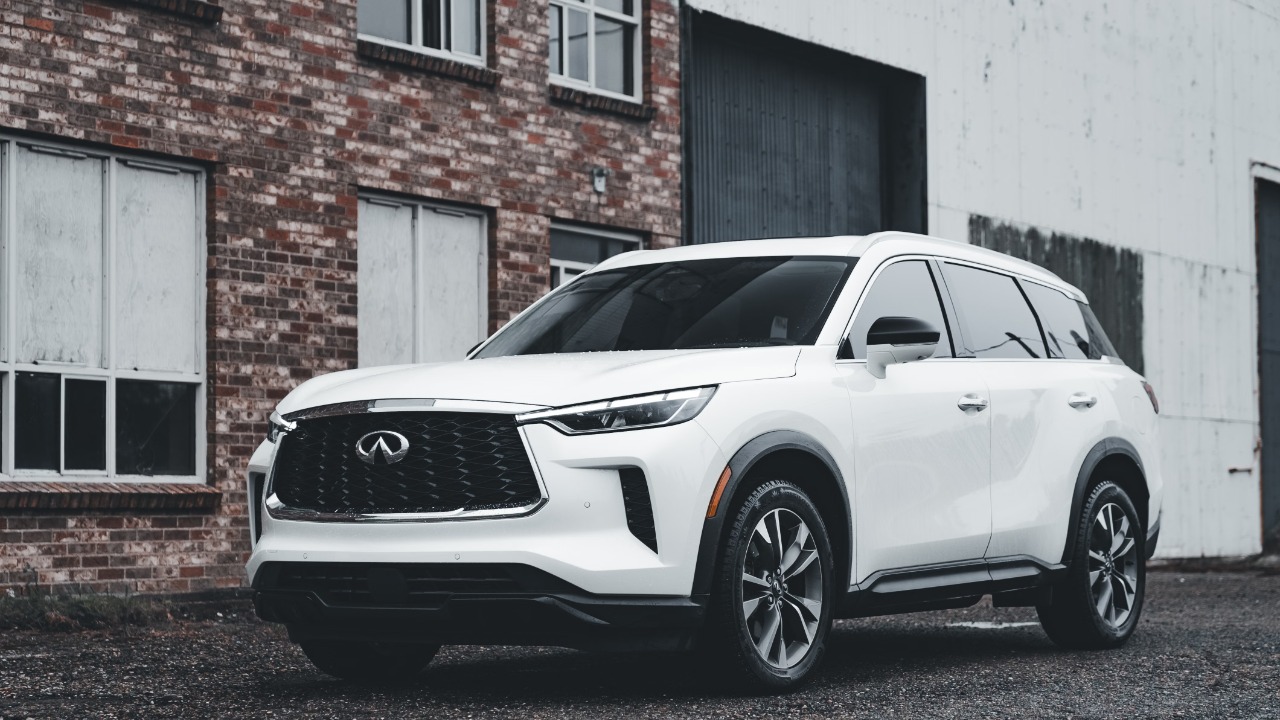

The Toyota Sequoia ranked as the vehicle most likely to reach 250,000 miles in a large study examining the longevity of cars, trucks and SUVs.
Automotive research company iSeeCars gave the full-size SUV a predicted 39.1 percent chance of reaching at least a quarter-million miles. The average vehicle had only a 4.8 percent chance of reaching the same milestone.
That made the Sequoia approximately 8.1 times as likely as the average vehicle to reach 250,000 miles.
Some headlines may describe the difference as “nine times the average,” but that is an aggressive rounding of the figures. Dividing 39.1 by 4.8 produces approximately 8.15, so “more than eight times” is the more accurate description used in the original study.
The finding does not mean that every Sequoia will survive for 250,000 miles or that purchasing one guarantees decades of trouble-free ownership. It is a statistical prediction based on the mileage patterns of vehicles in the company’s data.
The Toyota Sequoia Led Every Vehicle in the Main Ranking
The Sequoia placed first in the 2025 iSeeCars Longest-Lasting Cars study.
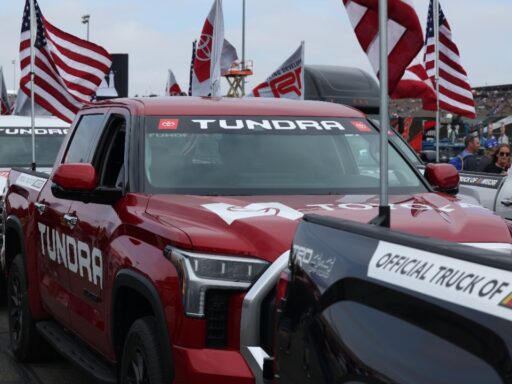
Its predicted 39.1 percent survival rate was comfortably ahead of the Toyota 4Runner, which ranked second with a 32.9 percent chance of reaching 250,000 miles. The Toyota Highlander Hybrid followed at 31 percent, while the Toyota Tundra ranked fourth at 30 percent.
The Lexus IS was the highest-ranked traditional passenger car, with a 27.5 percent predicted chance. The Toyota Tacoma recorded 25.3 percent, followed by the Toyota Avalon at 18.9 percent and Lexus GX at 18.3 percent.
The top 10 were:
Toyota Sequoia at 39.1 percent, Toyota 4Runner at 32.9 percent, Toyota Highlander Hybrid at 31 percent, Toyota Tundra at 30 percent, Lexus IS at 27.5 percent, Toyota Tacoma at 25.3 percent, Toyota Avalon at 18.9 percent, Lexus GX at 18.3 percent, Lexus RX Hybrid at 17 percent and Honda Ridgeline at 14.7 percent.
Even the lowest-ranked vehicle in the study’s top 25, the Acura MDX, had a 9.1 percent predicted chance of reaching 250,000 miles. That was nearly twice the 4.8 percent industry average.
How the Study Reached Its Conclusion
iSeeCars said its 2025 analysis examined almost 400 million vehicles to predict which models were most likely to remain operational for at least 250,000 miles.
The researchers calculated the average odometer reading for vehicles at each year of age and used those mileage patterns to develop a model estimating the probability of each vehicle reaching different mileage thresholds.
This means the 39.1 percent figure is not simply the percentage of Sequoias already observed with more than 250,000 miles.
It is a modeled probability based on historical age and mileage data. The figure reflects how frequently Sequoias accumulate substantial mileage and remain represented in the vehicle population as they age.
The methodology can identify vehicles with strong real-world longevity patterns, but it cannot fully account for every factor affecting one individual vehicle.
Maintenance, climate, driving style, accident history, corrosion, towing, previous repairs and the particular model year can all determine whether a specific Sequoia reaches the predicted milestone.
Why the Result Does Not Apply Equally to Every Sequoia
The Toyota Sequoia has been sold across multiple generations, each with different engines, transmissions, technology and manufacturing details.
A statistical result covering a model name does not prove that every generation or model year is equally durable.
Older Sequoias that contributed to the longevity data were built differently from the newest versions. A recently redesigned vehicle has not yet existed long enough to prove through real-world experience that it can match the quarter-million-mile performance of models produced many years earlier.
This is one of the most important limitations for buyers interpreting longevity rankings.
Historical performance is useful evidence, but it should not replace research into the specific year, engine, drivetrain and maintenance history of the vehicle being considered.
A poorly maintained example of a highly ranked model may be a worse purchase than a carefully maintained vehicle with a lower statistical ranking.
Toyota Dominated the Overall List
Toyota placed 10 models in the study’s top 25, more than any other manufacturer.
Its vehicles included SUVs, pickup trucks, sedans and a hybrid, suggesting that the brand’s longevity performance was not limited to one body style. Honda placed five vehicles in the top 25, while luxury divisions Lexus and Acura also performed strongly.
Toyota vehicles collectively had a 17.8 percent predicted chance of reaching 250,000 miles. That was almost four times the 4.8 percent industry average.
Lexus, Honda and Acura also ranked above the overall average, reinforcing the strong performance of Japanese manufacturers in the analysis.
That does not mean vehicles from other regions cannot last as long. The list included models from Chevrolet and other manufacturers, while certain heavy-duty American trucks performed exceptionally well in separate categories.
SUVs Filled Nearly Half of the Top 25
Eleven of the 25 highest-ranked vehicles were SUVs.
Seven were sedans, six were pickup trucks and one was a minivan. The number of SUVs on the list may partly reflect their construction, usage patterns and popularity among owners who keep vehicles for long periods.
Several of the leading SUVs have traditionally used robust truck-based construction. Vehicles such as the Sequoia, 4Runner and Lexus GX have often been designed for towing, off-road use and heavier loads than ordinary passenger cars.
Engineering a vehicle to withstand those demands may also support longevity during less severe everyday use.
However, physical durability is only one possible explanation. Owner behavior also matters.
People who purchase large SUVs may be more willing to perform expensive maintenance because replacing the vehicle would cost substantially more. Some may also use them for long-distance driving, allowing mileage to accumulate quickly without the repeated cold starts and short trips that can be hard on mechanical systems.
The study identifies the outcome but does not prove that one design feature caused it.
A 39% Chance Is Impressive, but Failure Is Still More Likely
The figure can sound almost like a guarantee when placed in a headline.
In reality, a 39.1 percent chance means that roughly six out of 10 comparable Sequoias would not be predicted to reach 250,000 miles.
Some may be destroyed in crashes, damaged by corrosion, exported, scrapped after expensive repairs or retired simply because an owner decides that continued maintenance is no longer economical.
A vehicle can also remain mechanically capable of operating while becoming financially impractical to keep.
For example, an aging SUV may need suspension work, air-conditioning repairs, emissions-system components, electronics and interior restoration even when its engine and transmission remain functional.
The study measures the likelihood of reaching a mileage threshold. It does not promise that reaching it will be inexpensive.
Reaching 250,000 Miles Requires More Than a Durable Design
Regular maintenance becomes increasingly important as mileage rises.
Engine oil, coolant, transmission fluid, differential fluid and brake fluid must be serviced according to the correct schedule and operating conditions. Belts, hoses, seals, bearings and suspension components gradually wear even when a vehicle has no major defect.
A vehicle used for frequent towing, extensive idling, dusty roads or short trips may need more frequent service than one driven gently on highways.
Cooling-system maintenance is especially important because overheating can turn an otherwise durable engine into an uneconomical repair.
Rust prevention also matters in regions where roads are heavily salted. A mechanically healthy vehicle may still be retired if corrosion damages its frame, brake lines, fuel lines or structural mounting points.
Service records therefore provide more useful information about a particular used SUV than the model’s reputation alone.
A Prepurchase Inspection Remains Essential
A used Sequoia should be inspected by an independent mechanic before purchase, particularly when it already has substantial mileage.
The inspection should look for structural corrosion, fluid leaks, signs of overheating, worn suspension parts, uneven tire wear and evidence of poorly repaired collision damage.
The mechanic should also test the transmission, four-wheel-drive equipment, air-conditioning, electrical systems and safety features.
Buyers should check the VIN for unresolved recalls and compare the recorded mileage with maintenance and ownership documents.
An exceptionally low price may reflect deferred maintenance rather than a bargain. Repairing several neglected systems at once can eliminate any savings associated with purchasing an older vehicle.
Fuel and Ownership Costs Still Matter
Longevity is only one part of overall value.
A large SUV may remain operational for many years while consuming more fuel, tires, brakes and other materials than a smaller vehicle.
Insurance, registration and routine maintenance may also cost more. Large tires and heavy-duty suspension components can be expensive to replace.
A buyer who drives relatively few miles may spend less overall by purchasing a smaller and more efficient vehicle, even when that model has a lower probability of reaching 250,000 miles.
The best long-term vehicle is not automatically the one with the highest maximum lifespan. It is the one whose size, fuel use, reliability, purchase price and maintenance requirements match the owner’s needs.
Heavy-Duty Trucks Produced an Even Higher Figure
The Toyota Sequoia ranked first on the study’s primary list, which excluded heavy-duty pickup trucks.
In the separate truck analysis, the Ram 3500 recorded a 39.7 percent predicted chance of reaching 250,000 miles, slightly higher than the Sequoia’s 39.1 percent. Heavy-duty trucks were excluded from the main list because their work-focused design and usage differ substantially from ordinary passenger vehicles.
Commercial and fleet-owned trucks may accumulate mileage differently and often receive structured maintenance.
The Sequoia can therefore accurately be described as the top vehicle in the main consumer-vehicle ranking, but not necessarily the highest-scoring machine in every category examined.
Longevity Studies Should Be Used as a Starting Point
The ranking offers valuable evidence about which models have historically shown the strongest potential to remain on the road.
It is particularly useful for buyers who expect to keep a vehicle for many years and want to avoid models rarely seen at high mileage.
It should not be treated as a substitute for model-year research.
A vehicle can have an excellent overall reputation while experiencing a problematic engine, transmission or electronic system during a particular production period. Conversely, a model with an average overall ranking may have certain years known for exceptional durability.
Prospective buyers should combine longevity data with recall records, repair histories, owner reports and a professional inspection.
The Main Takeaway
The Toyota Sequoia had a predicted 39.1 percent chance of reaching 250,000 miles in the 2025 iSeeCars study, the highest probability among vehicles included in its main ranking.
The average vehicle’s probability was 4.8 percent, making the Sequoia approximately 8.1 times as likely—not quite nine times—to reach a quarter-million miles.
Toyota also placed 10 models in the top 25, while SUVs claimed 11 positions.
Those results support the Sequoia’s reputation as a long-lasting full-size SUV, but they do not guarantee that every example will reach the milestone.
The specific model year, previous maintenance, climate, accident history and condition remain more important when deciding whether one individual vehicle is likely to survive another 100,000 miles.