
A wireless power bank previously recalled over overheating and fire reports is back under an urgent safety warning after regulators received additional incidents, including the death of a 75-year-old woman and a separate explosion aboard an airplane.
The US Consumer Product Safety Commission and Casely reannounced the recall of approximately 429,200 Casely Power Pods on April 16, 2026. The affected products are 5,000mAh portable MagSafe wireless phone chargers carrying model number E33A. Their lithium-ion batteries can overheat and ignite, creating a risk of severe burns, fire and death.
Consumers are being told to stop using the recalled power banks immediately and contact Casely for a free replacement. The devices must not be placed in household trash, curbside recycling or ordinary battery-collection boxes because recalled lithium-ion batteries require special disposal.
The Recall Was First Announced in 2025
Casely originally recalled the Power Pods in April 2025 after receiving 51 reports of the lithium-ion batteries overheating, expanding or catching fire while people were using them to charge their phones.
Those first reports included six minor burn injuries. Approximately 429,000 units were covered by the original recall.
The company offered affected consumers a replacement and instructed them to stop using the chargers.
However, additional incidents continued to emerge after the recall announcement. The CPSC later received 28 more reports of the batteries overheating, swelling or catching fire, leading regulators and the company to publicize the recall again.
The reannouncement is intended to reach owners who may have missed the original notice, purchased the product secondhand or continued using it despite the warning.
A 75-Year-Old Woman Died After the Charger Exploded
The most serious incident involved a 75-year-old woman from New Jersey.
In August 2024, she was charging her cellphone with the Casely power bank resting on her lap when the device caught fire and exploded. She suffered second- and third-degree burns and later died from complications related to those injuries.
The fatal event occurred before the original April 2025 recall, but it was publicly included when the CPSC reannounced the warning in 2026.
The incident illustrates why a small portable charger should not be treated as harmless simply because it fits in a pocket or attaches magnetically to a phone. A failing lithium-ion battery can release intense heat and flames within seconds, leaving little time for someone to move the device away from their body.
Another Power Bank Exploded on an Airplane
The CPSC also described a serious incident that occurred in February 2026.
A 47-year-old woman was using the recalled power bank to charge her phone aboard an airplane when it caught fire and exploded. She suffered first-degree burns.
A lithium-ion fire inside an aircraft is particularly dangerous because passengers are confined in a small space and the fire may produce smoke, toxic gases and repeated flare-ups.
Flight crews carry specialized equipment and follow procedures for handling overheated electronic devices, but passengers should never bring a product aboard an aircraft after learning that it is under a fire-risk recall.
The airplane incident was one of the reasons the Power Pod returned to public attention after the initial recall.
Which Power Banks Are Affected?
The recall covers Casely Power Pods with model number E33A.
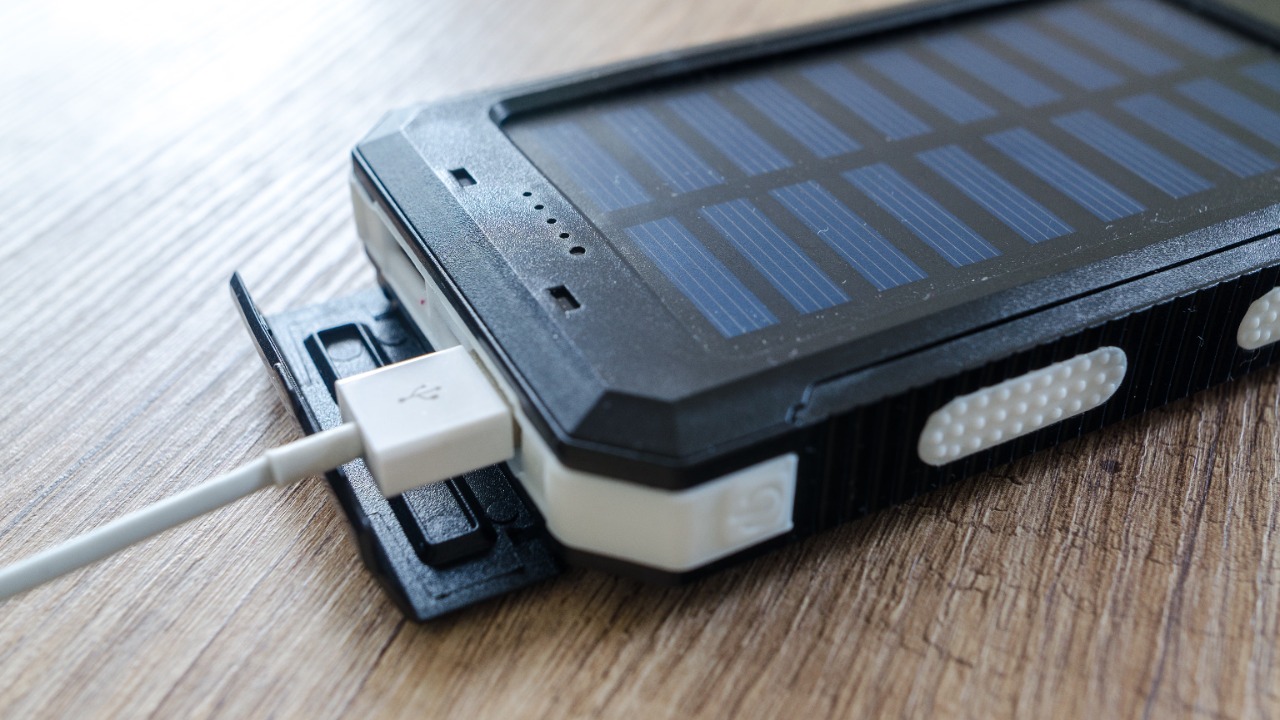
The devices have a 5,000mAh battery capacity and are designed to attach magnetically to compatible phones for wireless charging. The word “Casely” is engraved on the front plate near the right side, while the model number is printed on the back.
The chargers were sold in numerous colors and decorative prints, so color alone cannot identify whether a unit is recalled.
Owners should remove the charger from any case or accessory and examine the back for model number E33A. A power bank matching this model should be treated as recalled regardless of whether it has ever overheated or behaved unusually.
The official product photographs can be viewed in the CPSC recall announcement.
Where Were the Power Pods Sold?
The recalled chargers were sold online through Casely’s website, Amazon and other e-commerce platforms from March 2022 through September 2024.
They cost between approximately $30 and $70.
Because several years have passed since some of the devices were purchased, owners may no longer remember the exact model or seller. Checking Amazon and other online order histories may help identify the purchase.
The product may also have been given as a gift, placed in a travel bag or stored in a drawer after being replaced by a newer charger.
Consumers should inspect all older portable chargers in their homes rather than assuming an unused device presents no danger. A damaged or defective lithium-ion battery can still create a fire risk during charging or after physical damage.
Why Lithium-Ion Batteries Can Catch Fire
Lithium-ion cells store a large amount of energy in a small space.
Inside the battery, thin layers separate the positive and negative components. If those layers become damaged because of a manufacturing defect, crushing, heat or internal contamination, the battery can develop a short circuit.
The short circuit produces heat, which may trigger additional chemical reactions inside the cell. This self-heating process can escalate into thermal runaway.
Once thermal runaway begins, the battery may swell, release hot gases, ignite or explode. The reaction can spread between cells and may continue even after visible flames are temporarily extinguished.
A recalled power bank should not be opened, punctured or squeezed to check its condition. Damaging the casing may make the hazard worse.
Warning Signs Should Never Be Ignored
A power bank that becomes unusually hot, begins swelling, produces a chemical odor or makes hissing or popping sounds should be treated as dangerous.
Other warning signs can include melting, discoloration, smoke, leaking material or difficulty connecting and charging normally.
The device should be disconnected only when this can be done without touching a hot, swollen or smoking battery. People should move away and contact emergency services if the charger begins smoking or burning.
A failing battery should not be carried through a home, placed in a bag or moved into a vehicle. Bringing it close to combustible materials can spread a fire.
A recalled E33A Power Pod should be removed from use even when it has never shown any warning signs.
How to Obtain the Free Replacement
Casely is offering affected owners a free replacement power bank.
Consumers must complete the recall form on the company’s website and submit two photographs. One image must show the front of the recalled power bank with the word “Recalled” and the date written on it in permanent marker. The second image must clearly show the model number on the back.
The company can also be contacted by telephone or email using the details listed in the CPSC notice.
The replacement process is available through the Casely recall page.
Owners should complete the required documentation before disposing of the device so they still have the identifying photographs needed to qualify for the replacement.
Do Not Throw It in the Trash
The CPSC specifically warns consumers not to place recalled Power Pods in household trash or ordinary recycling.
They should also not be placed in used-battery boxes located at many retailers or home-improvement stores. A recalled lithium-ion battery presents a greater fire risk than an ordinary depleted battery and may ignite during collection, transportation or processing.
Consumers should contact their municipal household hazardous-waste facility and confirm that it accepts recalled lithium-ion batteries.
Some facilities may refuse recalled or damaged batteries because they require specialized storage and transportation. When that happens, the local municipality or fire department may be able to provide appropriate instructions.
The power bank should be stored temporarily in a cool, dry place away from living areas and combustible materials while disposal arrangements are made, provided it is not swollen, hot, smoking or otherwise unstable.
Do Not Mail the Battery Unless Specifically Instructed
Damaged and recalled lithium-ion batteries face strict shipping restrictions.
Consumers should not place the device in an ordinary package and mail it back to Casely unless the company provides specific authorized shipping instructions.
A battery that overheats or catches fire during transportation can endanger postal workers, delivery drivers, aircraft and sorting facilities.
The recall remedy asks consumers to document and dispose of the old device rather than casually returning it through ordinary shipping channels.
Why Fires Continued After the Original Recall
A recall announcement does not automatically remove every defective product from homes.
Some consumers never see the notice. Others may change email addresses, move homes or purchase the device through a marketplace that does not have reliable contact information.
Owners may also ignore a recall because their individual charger appears to work properly.
Lithium-ion defects can remain hidden until a specific charging cycle, physical impact or internal failure triggers overheating. Years of normal use do not prove that the battery will remain safe.
Products sold online can also circulate through secondhand marketplaces long after the original retailer stops carrying them.
This is why the CPSC sometimes reannounces a recall after new incidents occur. The repeated warning is intended to reach remaining owners before another fire causes serious injury.
Recalled Power Banks Should Not Be Resold or Donated
Federal law prohibits the sale of products covered by a voluntary recall conducted with the CPSC.
An affected Casely Power Pod should not be listed on Facebook Marketplace, eBay or another resale platform. It should not be donated, given to a relative or included with a used phone.
Passing the charger to someone else transfers the fire risk to a person who may know nothing about the recall.
Owners should mark the unit as recalled, complete the replacement claim and dispose of it according to local hazardous-waste instructions.
Power Banks Should Not Be Charged on Beds or Sofas
The Casely recall applies to one specific model, but safe charging practices matter for all lithium-ion devices.
Power banks should be placed on a hard, stable and nonflammable surface while charging. Beds, pillows, sofas and blankets can trap heat and provide fuel if a battery ignites.
Chargers should not be left under clothing or inside a bag while connected to power.
Consumers should use compatible cables and charging equipment from reputable manufacturers. A damaged cable, loose connector or poor-quality adapter can create additional heat.
Devices should not be charged unattended overnight or in an area that blocks the household’s exit route.
These precautions cannot correct a recalled battery. The E33A Power Pod must be removed from use completely.
Heat and Physical Damage Can Increase Risk
Power banks should not be left inside parked cars, placed in direct sunlight or stored beside heaters.
High temperatures place stress on lithium-ion cells and can accelerate internal degradation.
A device that has been dropped, crushed or exposed to water should be examined carefully and replaced when damage is suspected.
Airline passengers should keep power banks in carry-on baggage rather than checked luggage, following airline and aviation-safety rules. A fire in the passenger cabin can be detected and handled more quickly than one inside a cargo hold.
A recalled device should not be taken onto an aircraft at all.
What the Reannounced Recall Means
The April 2026 announcement does not describe a newly manufactured version of the Casely Power Pod.
It concerns the same E33A chargers originally recalled in April 2025. Regulators returned the product to public attention because more incidents were reported and the consequences included a death and another serious fire on an airplane.
The original recall followed 51 overheating, swelling or fire reports and six minor burns. Afterward, the CPSC received 28 additional reports.
That brings the reported incident total described across both announcements to 79, although the reports vary in severity and do not mean every one involved a fully developed fire.
The Main Safety Message
Approximately 429,200 Casely Power Pods, model E33A, remain subject to a fire-risk recall.
The chargers can overheat, expand, ignite or explode. One 75-year-old woman died after a Power Pod exploded on her lap while charging her phone, and another user suffered burns when a charger caught fire aboard an airplane.
Anyone who owns the affected model should stop using it immediately, complete Casely’s replacement process and arrange proper hazardous-waste disposal.
The charger should not be placed in household trash, ordinary recycling, a retail battery box, checked baggage or a resale listing.
A portable charger may look like a small everyday accessory, but the energy stored inside a defective lithium-ion cell can cause devastating injuries within seconds.