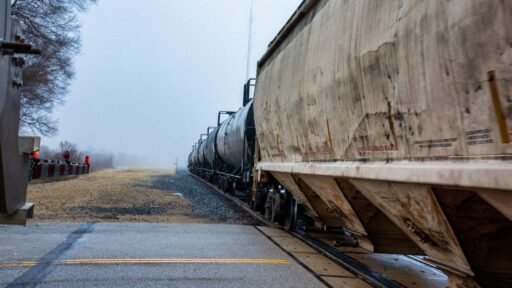
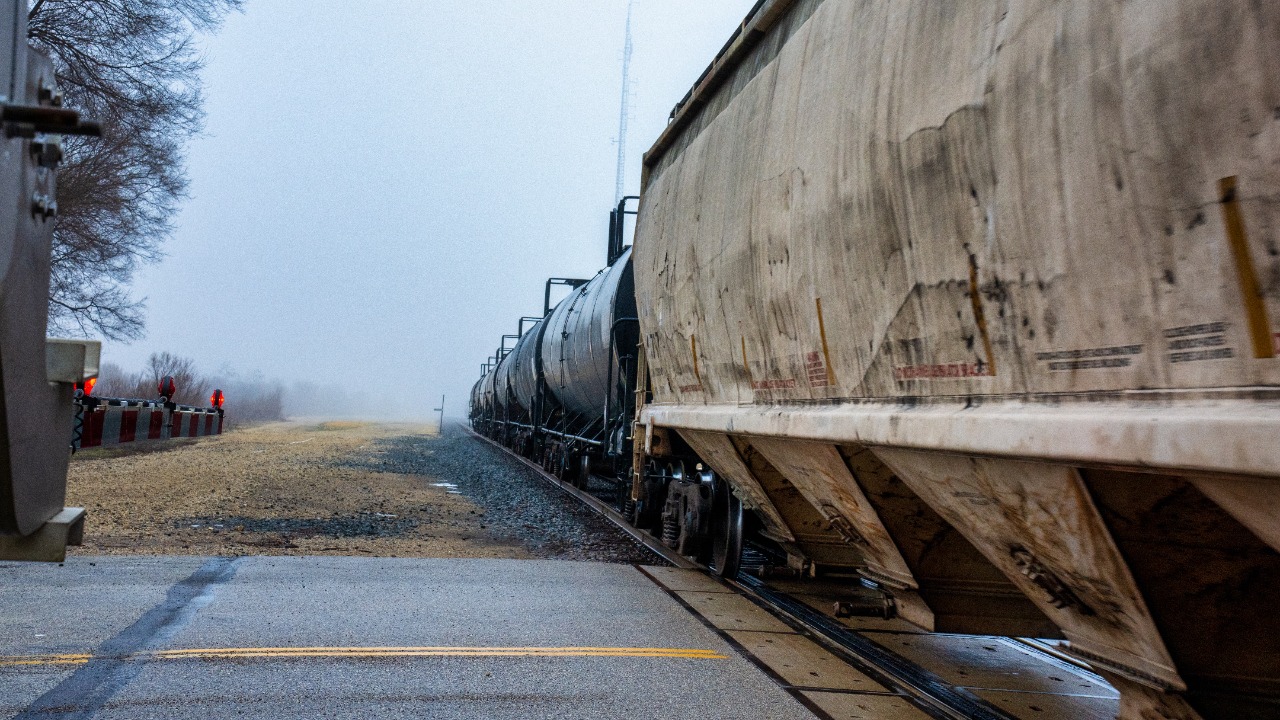

A train derailment in Ohio forced residents from their homes after railcars carrying hazardous materials derailed, burned, and triggered fears of toxic exposure and explosion. The disaster became one of the most closely watched rail-safety failures in recent U.S. history because it showed how quickly one freight accident can become a full community emergency.
The derailment happened in East Palestine, Ohio, near the Pennsylvania border. According to the U.S. Environmental Protection Agency, a Norfolk Southern freight train derailed at about 8:55 p.m. on February 3, 2023, and 20 of the affected cars contained hazardous materials, including vinyl chloride, ethylene glycol, ethylhexyl acrylate, butyl acrylate, and isobutylene.
The crash did not immediately kill anyone, but it forced evacuations, damaged public trust, contaminated soil and waterways, and left residents worried about long-term health effects. It also pushed rail safety, hazardous cargo transport, and emergency response back into the national spotlight.
Why Residents Were Ordered to Leave
Emergency officials initially ordered people near the derailment site to evacuate because several cars were burning and some contained hazardous chemicals. The biggest concern soon became vinyl chloride, a flammable chemical used to make PVC plastic. Officials feared that pressure and temperature changes inside some tank cars could cause an uncontrolled explosion.
The situation grew so dangerous that officials ordered a mandatory evacuation for people within a one-mile area around the derailment site. A Federal Railroad Administration report said the one-mile evacuation zone affected about 2,100 East Palestine residents for five days.
That is why the event felt like a town-wide crisis even though the formal evacuation zone did not include every household in East Palestine. Schools closed, roads were blocked, emergency responders flooded the area, and residents outside the evacuation zone still faced uncertainty, odors, smoke, and fear.
What Hazardous Cargo Was on the Train?
The train carried multiple hazardous materials. EPA’s site lists vinyl chloride, ethylene glycol, ethylhexyl acrylate, butyl acrylate, and isobutylene among the hazardous materials in affected cars. Each chemical carries different risks, including flammability, irritation, toxicity, or environmental harm.
Vinyl chloride drew the most attention because it is a known human carcinogen and because five cars containing it were intentionally vented and burned. The EPA later began a formal review of vinyl chloride, citing broader concerns over the chemical’s risks to human health and the environment.
For residents, the chemical names were not abstract. They became part of daily life: what was in the air, what entered the creeks, what settled on homes, what children might have breathed, and what long-term exposure could mean.
Why Officials Burned the Vinyl Chloride
The most controversial decision was the controlled release and burn of vinyl chloride from five tank cars. Officials said the move was necessary because they feared the cars could explode and send shrapnel flying if pressure built up inside them.
Reuters reported at the time that nearly 2,000 residents remained under evacuation orders while crews drained and burned the toxic chemical from the railcars. The operation produced a massive black plume that rose over the town and became the defining image of the disaster.
Supporters of the decision argued that the controlled burn prevented a more unpredictable explosion. Critics and residents have questioned whether the burn was truly necessary, whether the risks were communicated clearly, and whether the long-term health effects were fully understood.
The Black Cloud Became a Symbol of Distrust
Images of the black smoke plume spread quickly across television, newspapers, and social media. For many residents, the cloud became the moment when trust broke down. They were told the burn was controlled, but they also saw smoke pouring into the sky from chemicals they were told were dangerous.
After the evacuation order was lifted, officials said air monitoring did not show dangerous levels of chemicals in the community. But many residents reported headaches, rashes, throat irritation, breathing problems, anxiety, and strange odors. The gap between official reassurances and lived experience fueled anger.
That distrust has continued for years. People want to know not only what was measured, but when, where, how often, and whether testing captured the full range of possible exposures.
What Caused the Derailment?
The National Transportation Safety Board investigated the crash and found that the derailment was caused by an overheated wheel bearing that failed. The NTSB final report said the derailment occurred shortly after a hot bearing detector broadcast a critical alarm about a wheel bearing’s temperature.
In plain language, a bearing on one of the railcars overheated badly enough that it failed, leading to the derailment. Hot bearing detectors are supposed to warn crews before a failure becomes catastrophic, but the East Palestine case raised questions about detector spacing, alarm thresholds, crew response time, and railroad operating practices.
The cause matters because it was not a freak mystery. It was a mechanical failure in a system that is supposed to detect mechanical failure before disaster.
Why Hazardous Freight Trains Are So Risky
Freight rail moves huge volumes of chemicals, fuels, industrial materials, agricultural products, consumer goods, and raw materials across the country. Rail is often more efficient than trucking, and much of the U.S. economy depends on it. But when hazardous cargo is involved, a derailment can threaten entire communities.
A single train can carry multiple chemical types in tank cars, mixed with ordinary freight. If cars derail, rupture, burn, or leak, emergency responders must quickly identify what is inside, how dangerous it is, whether it reacts with fire or water, and how far people should move away.
That is difficult even under ideal conditions. At night, during a fire, with smoke and damaged cars, the situation becomes much harder.
Why East Palestine Hit So Hard
East Palestine is a small community. When a derailment happens near a place like that, everyone feels it. People know the roads, the schools, the streams, the farms, and the neighbors affected. A disaster is not something happening far away. It happens next to homes, churches, stores, and backyards.
The derailment also happened near waterways, including Sulphur Run and Leslie Run. EPA and state officials later monitored waterways, removed contaminated soil, and oversaw cleanup operations. But residents remained worried about chemicals moving through soil, creeks, groundwater, basements, and air inside homes.
In small towns, trust is personal. When residents feel they are not getting full answers, frustration spreads quickly.
Why Evacuation Decisions Are So Difficult
Evacuation orders are never simple. Officials must decide how far the danger zone extends, how quickly people must leave, whether vulnerable residents need help, where evacuees should go, and when it is safe to return.
In East Palestine, the risk included fire, chemical exposure, and possible explosion. That combination forced urgent decisions. Residents had to leave homes, pets, medications, clothes, documents, and routines behind. Some did not know whether they would return in hours, days, or longer.
When officials later lifted the order, many residents had to decide whether they trusted the all-clear. That is one of the hardest parts of chemical disasters: safety is invisible. People cannot see whether air is safe. They must trust monitoring data and the people explaining it.
Why “No Immediate Deaths” Does Not End the Story
No deaths were reported as a direct result of the derailment, and that is important. But chemical disasters are not judged only by immediate fatalities. The bigger questions involve exposure, cleanup, long-term health, property values, mental stress, environmental damage, and whether residents can trust their homes again.
A 2026 Guardian report described a pilot study that found signs of long-term immune-system responses in some East Palestine residents exposed to the toxic spill. The findings do not prove every symptom was caused by the derailment, but they show why residents continue to demand long-term monitoring and medical support.
For communities exposed to chemical events, the disaster does not end when the fire is out. It continues through doctor visits, water tests, home cleaning, lawsuits, insurance claims, and anxiety about future illness.
The Cleanup Became a Massive Operation
Cleanup involved removing contaminated soil, managing contaminated water, monitoring air, sampling waterways, cleaning properties, and overseeing waste disposal. EPA has maintained a dedicated East Palestine derailment response page with updates, background information, and cleanup details.
Norfolk Southern later agreed to a major federal settlement over the disaster. The Guardian reported that the company agreed to a $310 million settlement with the U.S. government, including a civil penalty, cleanup commitments, and funding for health and environmental monitoring.
Settlements do not erase the damage, but they show the scale of the response. A derailment that lasts seconds can create years of cleanup and legal fallout.
Why Residents Still Worry About Water
Water became a major concern because chemicals were observed in local creeks after the derailment. Residents worried about wells, streams, the Ohio River system, wildlife, and whether contamination could linger underground.
Officials repeatedly said testing did not show dangerous levels in public drinking water. But many residents remained skeptical because chemical exposure can vary by location and because private wells, basements, and indoor air are not always captured by broad public statements.
The East Palestine experience shows that environmental testing must be transparent, local, repeated, and explained clearly. Numbers alone are not enough if residents do not trust how the numbers were gathered.
Why Rail Safety Became a National Debate
The derailment triggered pressure for stronger rail safety rules. Lawmakers, regulators, unions, and residents debated hazardous-material train rules, crew sizes, braking systems, detector technology, inspection practices, emergency response planning, and corporate cost-cutting.
After the crash, federal officials urged the rail industry and Congress to improve safety measures. Reuters reported that the U.S. government pressed railroads to adopt stronger protections after the toxic derailment, including better hazardous-material handling and safety practices.
The debate remains difficult because railroads are essential to the economy. The question is not whether hazardous materials should move. The question is how to move them with fewer failures and better protection for communities along rail lines.
The Role of Hot Bearing Detectors
Hot bearing detectors are trackside systems that measure wheel bearing temperatures as trains pass. If a bearing gets dangerously hot, the detector can alert train crews so they can stop and inspect the train.
The East Palestine derailment raised concern because the failing bearing heated up before the crash. Investigators examined how the system detected the rising temperature, when warnings were triggered, and whether existing thresholds gave the crew enough time to act.
This is a technical issue with very human consequences. A few minutes of earlier warning might make the difference between stopping safely and derailing in a town.
Why First Responders Need Better Information
When hazardous-material trains derail, local firefighters and emergency crews are often first on scene. Many are volunteers or small-town departments. They may not immediately know exactly what chemicals are burning or leaking.
Railroads provide information through shipping papers, emergency-response systems, and communication with officials, but responders need quick, accurate, usable data. They also need training, protective gear, evacuation guidance, and chemical-specific instructions.
East Palestine showed how much responsibility can fall on local responders before state, federal, and corporate resources fully arrive.
Why Communities Along Rail Lines Should Pay Attention
Many Americans live near railroad tracks without thinking much about what passes by. Freight trains may carry hazardous chemicals through cities, suburbs, small towns, farmland, and industrial corridors every day.
Residents do not need to panic, but they should know local emergency alert systems, evacuation routes, shelter-in-place guidance, and how to receive official updates. Local governments should also know what types of hazardous cargo commonly move through their communities and how to respond.
A derailment may be rare, but when one happens, preparation matters.
Shelter-in-Place vs. Evacuation
Not every chemical incident requires evacuation. Sometimes officials tell people to shelter in place, meaning they should go indoors, close windows and doors, turn off ventilation if directed, and wait for instructions. In other cases, evacuation is safer because the hazard could spread, explode, or become impossible to contain.
The right choice depends on the chemical, weather, wind direction, fire risk, explosion risk, terrain, and distance from the incident. That is why residents should follow official local instructions rather than guessing.
In East Palestine, the possibility of explosion and toxic release made evacuation necessary for the highest-risk zone.
Why Social Media Made Confusion Worse
Social media spread images and warnings quickly, but it also amplified rumors, fear, and conflicting claims. Some posts overstated risks. Others dismissed residents’ concerns too casually. In a chemical emergency, both extremes can be harmful.
People need fast information, but they also need reliable information. Official sources, local emergency management, EPA updates, health departments, and credible news outlets should be prioritized over viral clips with no context.
At the same time, officials must understand why residents turn to social media when they feel official communication is slow or incomplete. Trust requires speed, clarity, and honesty.
The Legal Fallout Is Still Ongoing
The derailment led to lawsuits, settlements, appeals, and continuing disputes over compensation and health monitoring. Some residents have argued that settlements do not fully address future health risks or the uncertainty they now live with.
AP reported that some East Palestine residents continued fighting over settlement terms, arguing that they wanted more transparency and stronger protection for possible future health effects. That legal conflict reflects a broader problem: chemical exposure cases often involve uncertainty that can last for years.
Residents want closure, but science and law may move slowly.
Why This Disaster Still Matters Today
The East Palestine derailment remains relevant because hazardous freight continues to move through communities every day. Railroads continue to rely on long trains, complex logistics, mechanical inspection systems, and local emergency response networks.
The disaster also became a warning about how one mechanical failure can expose weaknesses across an entire system: detection technology, train operations, chemical transport, emergency communication, evacuation planning, cleanup transparency, and long-term health support.
For residents of East Palestine, it is not just a case study. It is lived experience. For the rest of the country, it is a warning.
Final Takeaway
A Norfolk Southern train derailment in East Palestine, Ohio, forced a large evacuation after railcars carrying hazardous materials derailed, burned, and raised fears of toxic exposure and explosion. The train carried chemicals including vinyl chloride, butyl acrylate, ethylhexyl acrylate, ethylene glycol, and isobutylene, and officials later conducted a controlled release and burn of vinyl chloride from five cars.
The formal evacuation zone covered people within about one mile of the derailment site and affected roughly 2,100 residents for several days, turning the crash into a full community emergency. Investigators later determined that an overheated wheel bearing failure caused the derailment.
The disaster remains a powerful reminder that hazardous cargo transport is not only an industrial issue. It is a neighborhood safety issue. Stronger rail inspections, better warning systems, clearer emergency communication, transparent cleanup, and long-term health monitoring are essential because when a toxic train derails, the people living beside the tracks carry the consequences.