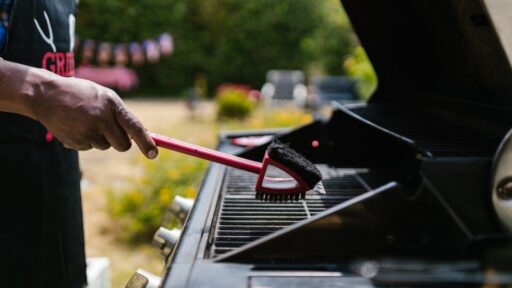
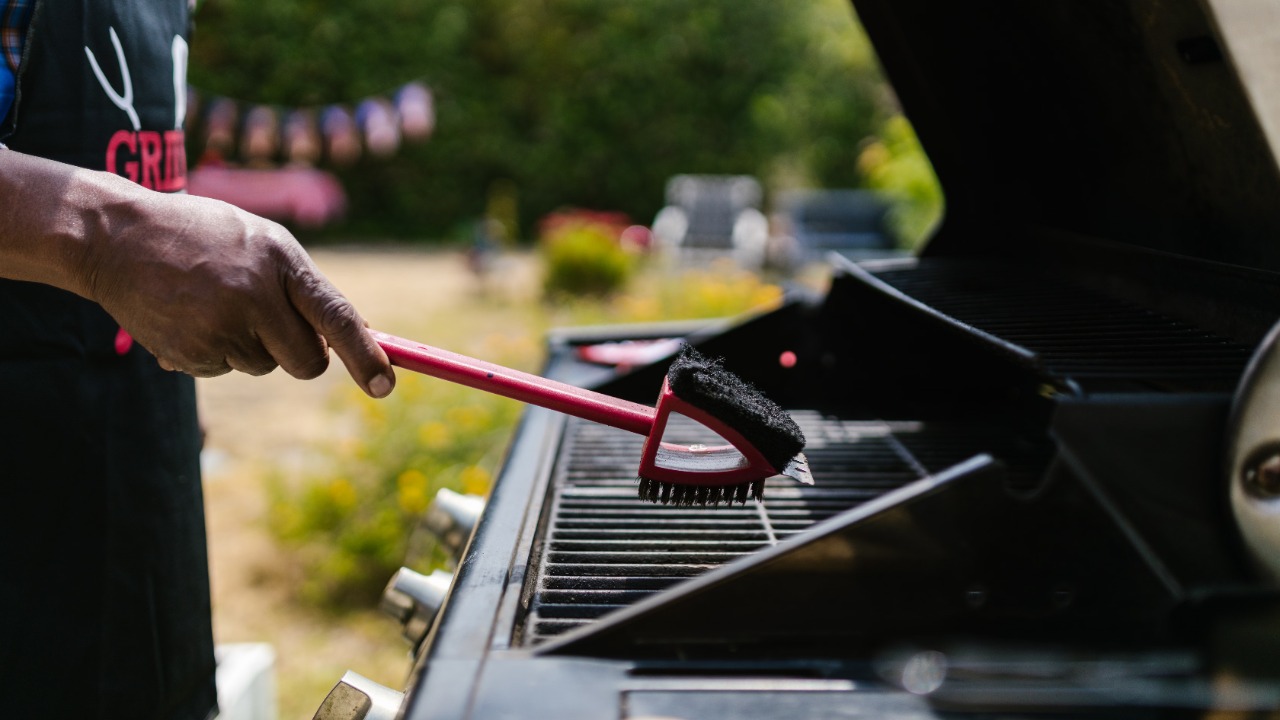

More than a million Cuisinart grill brushes have been recalled after reports that tiny metal bristles detached, stuck to grills or food, and were swallowed by consumers. The recall is part of a wider safety crackdown on wire-bristle grill brushes, a common backyard tool that can quietly turn into a dangerous ingestion hazard.
The official CPSC recall notice says Conair recalled Cuisinart metal wire bristle grill brushes because small wire bristles can detach from the brush and stick to the grill or food. If swallowed, the bristles can cause serious internal injuries that may require medical treatment or surgery.
Conair is aware of at least 54 reports or reviews involving bristles detaching from the recalled Cuisinart brushes. Three of those reports involved consumers who swallowed metal bristles and sought medical treatment to remove them from the digestive tract or throat.
Which Cuisinart Grill Brushes Were Recalled?
The recall involves several Cuisinart metal wire bristle grill brush models with black plastic, stainless steel, or wood handles. The word “Cuisinart” is stamped on the handle, and the affected model numbers appear on product packaging.
The recalled model numbers include CCB-100, CCB-4125, CCB-5014, CCB-6450, CCB-8012, CCB-4114, CCB-W2, and CSBS-777. Some recalled brushes were also sold as part of Cuisinart grill tool sets, including the Premium Grill 10 Piece Set, the 13 Piece Wooden Handle Grill Tool Set, the 14 Piece Deluxe Stainless Steel Grill Set, and the 20 Piece Deluxe Grill Set.
The brushes were sold at Burlington, TJ Maxx, Ross, Amazon, Cuisinart.com, and other retailers from June 2009 through March 2026 for about $8 to $20. That long sales window means many recalled brushes may still be sitting in garages, patios, outdoor kitchens, RVs, lake houses, and storage bins.
Why Wire Bristles Are So Dangerous
The danger is not that the brush fails dramatically. The danger is that a tiny wire bristle can detach quietly and remain on the grill grate. It may then stick to a burger, steak, hot dog, vegetable, or piece of chicken. A person can swallow it without seeing or feeling it first.
Once swallowed, a metal bristle can lodge in the throat, stomach, intestine, or other parts of the digestive tract. It can puncture tissue, cause severe pain, infection, internal injury, or require emergency removal.
That is why CPSC describes the hazard as an ingestion risk, not just a product-quality issue. A broken handle is annoying. A loose wire bristle hidden in food can send someone to the emergency room.
What Consumers Should Do Immediately
CPSC says consumers should stop using the recalled Cuisinart grill brushes immediately. They should contact Conair for a full refund or a credit for use at Cuisinart.com. The recall notice says consumers can receive a full refund or a Cuisinart.com credit equal to the full refund plus 20% of the cash refund amount.
Consumers will be asked to discard the recalled grill brushes. That step matters because keeping the brush around “just in case” can lead to accidental reuse later. Unsafe grill brushes should not be donated, resold, handed to a neighbor, or kept with barbecue tools.
Anyone who believes they swallowed a bristle or develops throat pain, trouble swallowing, severe abdominal pain, fever, vomiting, or unexplained digestive symptoms after eating grilled food should seek medical attention.
This Is Bigger Than One Brand
The Cuisinart recall is not the only major grill-brush warning this year. Weber recalled about 3.2 million metal wire bristle grill brushes in February 2026 because bristles could detach, stick to food or grill surfaces, and be swallowed. The Weber CPSC recall involved models 6277, 6278, 6463, 6464, 6493, and 6494.
Nexgrill also recalled more than 10.2 million metal wire bristle grill brushes sold at Home Depot. The Nexgrill CPSC recall said the brushes posed the same hazard: small metal bristles can detach, stick to the grill or food, and cause serious internal injury if swallowed.
Together, these recalls show that the issue is not limited to one defective batch. Wire-bristle grill brushes as a product category have drawn increasing safety scrutiny because the hazard is difficult for consumers to detect before someone gets hurt.
CPSC Is Pressuring Manufacturers
CPSC Acting Chairman Peter A. Feldman issued a strong statement after the Weber recall, warning that manufacturers must address known hazards in metal wire bristle grill brushes. In the CPSC chairman’s statement, he said consumers should stop using and discard grill brushes with metal wire bristles and switch to non-wire alternatives.
That statement is unusually direct. CPSC is not simply telling consumers to inspect brushes more carefully. It is urging a broader move away from metal wire bristle designs because detached bristles can be swallowed without detection.
The agency also encouraged consumers to inspect grill surfaces before cooking and examine food closely. But the stronger message is prevention: remove the hazardous tool before it leaves metal fragments behind.
Why Inspection Alone May Not Be Enough
Many people think they can keep using a wire brush safely if they check the grill afterward. The problem is that loose bristles can be extremely small, thin, darkened by heat, and hard to spot against a grill grate. They can hide between bars, cling to grease, or stick to food.
A quick glance may not reveal the danger. Even careful inspection can miss a bristle if lighting is poor, the grill is hot, or food is already on the grate.
That is why recalled brushes should not be used at all. Once bristles begin detaching, there is no reliable way for a consumer to know every loose wire has been removed from the cooking surface.
The Medical Risk Can Be Severe
Swallowed grill-brush bristles can be hard to diagnose because symptoms may look like many other conditions. A person may not realize they swallowed metal. They may develop throat pain, abdominal pain, fever, vomiting, or signs of infection hours or days later.
Doctors may need imaging, endoscopy, or surgery to find and remove the bristle. In some cases, a bristle can pierce the digestive tract and cause serious complications.
Recent news reports have described severe injuries from swallowed grill-brush bristles, including a Minnesota teenager who required emergency surgery after a bristle reportedly lodged in his intestine after a barbecue meal. Individual cases can vary, but they show why the recall language warns about serious internal injuries.
Why Grill Season Makes the Recall Urgent
The timing matters because millions of households grill heavily during spring and summer. A recalled brush may sit unused for months, then come out during a holiday weekend, family barbecue, camping trip, tailgate, or beach-house cookout.
That is when the hazard becomes active. A brush that looks normal can shed a bristle during cleaning. A loose bristle can remain on the grate. The next meal can carry it into someone’s mouth.
Anyone preparing for a barbecue should check their grill tools before checking the meat, charcoal, or propane. A recalled brush should be removed from the cooking area before anyone uses it by habit.
Safer Ways to Clean a Grill
CPSC and safety experts increasingly recommend non-wire alternatives. Options include nylon-bristle brushes for cold cleaning, wood scrapers, pumice grill stones, grill-cleaning pads, coils without loose wire bristles, steam-cleaning tools designed without metal bristle heads, and disposable grill-cleaning wipes made for grill surfaces.
Each option has its own instructions. Nylon brushes should generally be used on cool grill surfaces because nylon can melt on hot grates. Wood scrapers may take repeated use to fit the shape of the grate. Grill stones can wear down as they clean. The point is not that every alternative is perfect. The point is that bristle-free tools remove the hidden metal-ingestion risk.
Before switching tools, consumers should read the manufacturer’s instructions for their specific grill and cleaning product.
Why Old Brushes Are Especially Concerning
Older wire brushes may shed more easily because heat, grease, repeated pressure, moisture, rust, and outdoor storage can weaken the bristle head. A brush stored outside for years may look usable while metal wires are loose or brittle.
Some recalled Cuisinart models were sold as far back as 2009, meaning affected brushes could be more than 15 years old. The older the brush, the harder it may be to identify packaging or model numbers.
If a household owns an old Cuisinart, Weber, Nexgrill, or unknown wire-bristle grill brush, the safest approach is to compare it with recall notices and strongly consider replacing it with a bristle-free tool.
What To Do Before Cooking Again
After removing a recalled brush, grill owners should clean the cooking surface carefully before using the grill again. They should inspect grates, warming racks, corners, and grease-covered areas for loose wires. If possible, they can wipe the grates with a damp cloth or paper towel held with tongs after cleaning and before cooking.
Food should also be checked before serving, especially if a wire brush was used recently. Burgers, hot dogs, chicken, and grilled vegetables can hide small bristles.
This inspection does not make a recalled brush safe. It is a cleanup step after removing the brush from use.
Why Retailers and Resale Sites Matter
CPSC says federal law prohibits selling products that are subject to a recall. That includes resale shops, online marketplaces, garage sales, and secondhand listings. Recalled grill brushes should not appear on eBay, Facebook Marketplace, yard-sale tables, or thrift-store shelves.
Consumers buying used barbecue tools should be especially cautious. A grill tool set may include an affected brush even if the seller does not know it was recalled. If the model cannot be identified or the brush uses metal wire bristles, it may not be worth the risk.
Retailers and marketplaces also have a role in removing recalled products quickly so consumers do not unknowingly buy hazardous tools after the recall.
Why This Hazard Is Easy to Underestimate
A grill brush feels like a basic household item. It does not look like a high-risk product. Most people expect danger from raw meat, propane leaks, hot flames, or grease fires, not from a cleaning brush.
That is what makes this recall important. The hazard is hidden, delayed, and easy to miss. The brush may look intact. The grill may look clean. The food may look normal. The injury may happen only after someone swallows a tiny piece of wire they never saw.
Good safety habits should cover not only how food is cooked, but also how the cooking surface is prepared.
What Families Should Watch For After a Cookout
Most meals cooked on grills are safe, and people should not panic after every barbecue. But if someone develops sharp throat pain, trouble swallowing, chest discomfort, severe stomach pain, vomiting, fever, or worsening abdominal symptoms after eating grilled food, the possibility of a swallowed bristle should be mentioned to medical providers.
This is especially important because patients may not remember or know whether a wire grill brush was used. Telling a doctor about possible exposure can help guide imaging and treatment.
Early evaluation may prevent a small swallowed bristle from becoming a more serious internal injury.
The Bigger Lesson for Product Safety
The grill-brush recalls show how consumer product hazards can persist for years before enough reports trigger a broad response. A tool sold for everyday convenience may create a rare but serious risk across millions of households.
Recalls also depend on consumers taking action. A product may be officially recalled, but the danger remains if people never hear about it, ignore the notice, or keep using the item.
That is why households should periodically check the CPSC recalls database for products used around the home, especially items involving children, cooking, electricity, batteries, furniture, outdoor equipment, and heating devices.
Final Takeaway
More than one million Cuisinart metal wire bristle grill brushes have been recalled after reports that bristles detached and, in some cases, were swallowed by consumers who needed medical treatment. The recalled brushes include multiple Cuisinart models sold from 2009 through 2026, including some included in grill tool sets.
The hazard is serious because small metal bristles can stick to grill grates or food and be swallowed without being noticed. Once inside the body, a bristle can injure the throat or digestive tract and may require medical removal or surgery.
Consumers should stop using the recalled brushes immediately, contact Conair for the recall remedy, discard the brush as directed, and switch to a bristle-free grill-cleaning tool. Before grilling again, inspect the cooking surface carefully for loose bristles. A clean grill should not come with a hidden piece of metal in the next meal.