
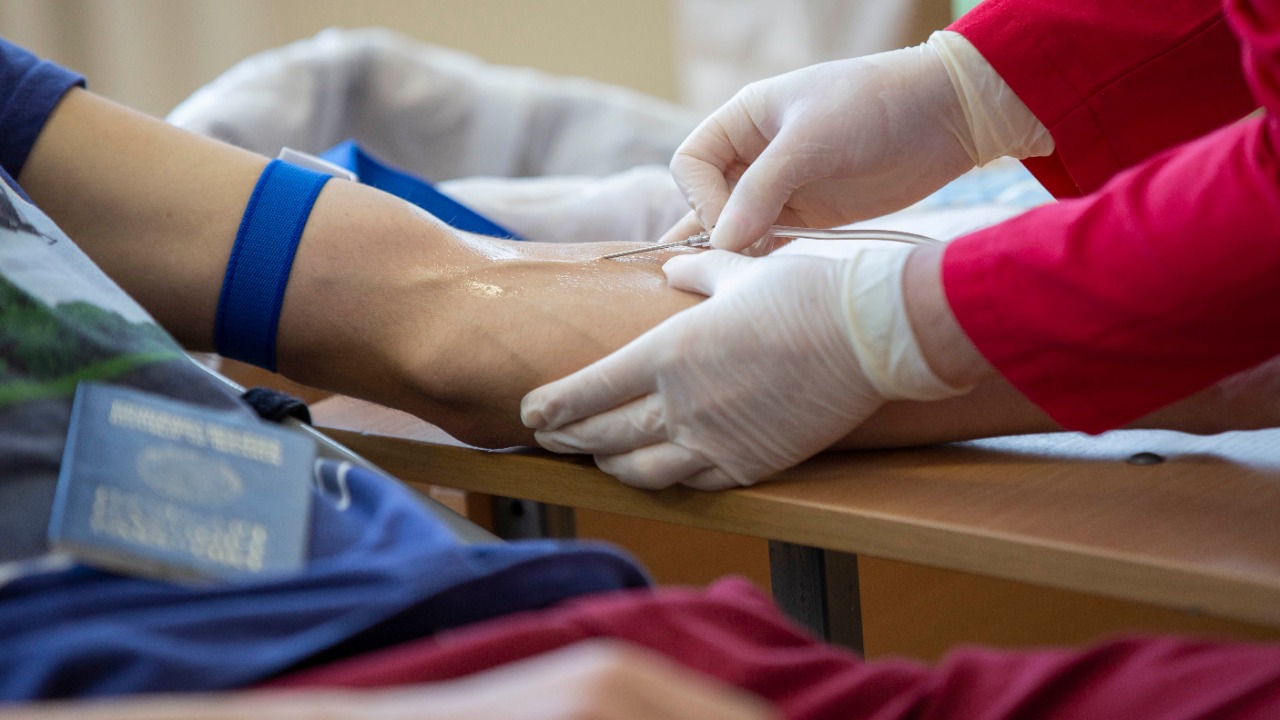

U.S. regulators have approved a new donor-cell therapy designed to protect adults with blood cancers from one of the most serious complications after stem cell transplantation. The treatment, called Tregzi, uses specialized immune cells from a matched donor to help rebuild the patient’s blood and immune system while reducing the risk of chronic graft-versus-host disease.
The U.S. Food and Drug Administration announced the approval on June 30, 2026, describing Tregzi as a novel allogeneic T-cell-based immunotherapy for adults with hematologic malignancies undergoing matched donor hematopoietic stem cell transplantation. In simpler language, it is a donor-derived immune-cell therapy used during stem cell transplant for adults fighting blood cancers such as leukemia, lymphoma, myelodysplastic syndromes, and related diseases.
The approval matters because donor stem cell transplants can be lifesaving, but they also carry serious risks. One of the most feared is graft-versus-host disease, a condition in which donated immune cells attack the patient’s healthy tissues.
What Tregzi Is Designed to Do
Tregzi is not a standard cancer drug like chemotherapy, and it is not a CAR-T therapy that directly attacks tumor cells. It is a transplant-support therapy made from donor cells. Its job is to improve immune and blood-system recovery after a matched donor transplant and reduce the chance that the donor immune system turns against the patient.
The FDA’s drug approval summary says Tregzi is an allogeneic regulatory T-cell-based immunotherapy used with hematopoietic stem and progenitor cells and T cells. The treatment is intended for adults with hematologic malignancies receiving a matched donor transplant after a myeloablative preparative regimen.
That wording is technical, but the idea is important. Patients receive donor stem cells to rebuild the blood and immune system after intensive treatment. Tregzi adds a controlled mix of donor immune cells, including regulatory T cells, to reduce harmful immune reactions while still supporting immune recovery.
Why Blood Cancer Patients Need Stem Cell Transplants
Blood cancers often affect the bone marrow, blood cells, lymphatic system, or immune system. In some high-risk or relapsed cases, doctors use an allogeneic stem cell transplant. “Allogeneic” means the cells come from another person, usually a matched sibling or unrelated donor.
Before the transplant, patients often receive powerful chemotherapy, radiation, or other conditioning treatment to destroy cancer cells and make room in the bone marrow for donor cells. This process can also severely weaken the immune system.
The donor stem cells then enter the bloodstream and move into the bone marrow, where they begin making new blood cells. If successful, the transplant can rebuild the patient’s blood and immune system and may also create a graft-versus-cancer effect, where donor immune cells help attack remaining cancer cells.
The National Cancer Institute explains that stem cell transplants can help restore blood-forming stem cells after high-dose cancer treatment, but they require careful matching and monitoring because complications can be severe.
The Problem: Graft-Versus-Host Disease
Graft-versus-host disease, often called GVHD, happens when donor immune cells recognize the patient’s body as foreign and attack healthy tissues. It can affect the skin, liver, digestive tract, eyes, mouth, lungs, joints, and other organs.
Acute GVHD usually appears earlier after transplant, while chronic GVHD can develop later and may last months or years. Chronic GVHD can be disabling. It may cause painful rashes, dry eyes, mouth sores, swallowing problems, diarrhea, liver inflammation, lung damage, joint stiffness, fatigue, and higher infection risk.
The Leukemia & Lymphoma Society describes GVHD as a major complication of allogeneic stem cell transplant and notes that it can range from mild to life-threatening. Preventing or reducing chronic GVHD is therefore a major goal in transplant medicine.
Why Regulatory T Cells Matter
Regulatory T cells, often called Tregs, are immune cells that help control immune reactions. They act like immune-system brakes, preventing excessive inflammation and reducing attacks on healthy tissue.
In the transplant setting, the challenge is balance. Doctors want donor immune cells to help rebuild immunity and fight cancer, but they do not want those cells to damage the patient’s organs. Regulatory T cells may help keep that immune response under control.
Tregzi uses this idea by incorporating donor regulatory T cells as part of the transplant product. The hope is to preserve the benefits of donor immune recovery while lowering the risk of chronic GVHD.
The Trial Behind the Approval
The approval was based on the randomized, multicenter PRECISION-T trial. According to the FDA approval information and reporting from transplant organizations such as AABB, 187 adults with blood cancers were randomly assigned to receive Tregzi or a standard stem cell transplant approach.
At one year, 78% of patients who received Tregzi achieved chronic GVHD-free survival, compared with 38.4% of patients who received a standard transplant. That is a large difference in a complication that can seriously affect survival, quality of life, and long-term recovery.
This does not mean every patient is cured or that transplant becomes risk-free. It means the therapy significantly improved a key transplant outcome in the trial population.
Why Chronic GVHD-Free Survival Is Important
Cancer treatment success is not only about whether the cancer responds. It is also about whether the patient can recover without severe long-term complications. Chronic GVHD-free survival measures whether patients are alive and free from chronic graft-versus-host disease after transplant.
For patients, that can mean the difference between returning to daily life and living with years of immune complications. Chronic GVHD may require long-term steroids or immune-suppressing medicines, which can increase infection risk and create additional side effects.
A therapy that reduces chronic GVHD could therefore improve not only survival statistics but also the lived experience after transplant.
What Makes This Approval Different
Tregzi is described as the first FDA-approved regulatory T-cell therapy for this blood cancer transplant setting. That makes it part of a broader shift in medicine: using living cells as carefully designed therapies rather than relying only on traditional drugs.
Cell therapies are already changing cancer treatment through CAR-T products, tumor-infiltrating lymphocytes, stem cell transplants, and engineered immune approaches. Tregzi adds another category by using donor regulatory immune cells to manage transplant complications.
This is important because transplant medicine has long depended on immune suppression to prevent GVHD. Tregzi represents a more targeted approach: instead of only suppressing the immune system broadly, it tries to shape the immune balance from the beginning.
Why This Is Not the Same as CAR-T Therapy
Many people hear “cell therapy” and immediately think of CAR-T. But Tregzi works differently. CAR-T therapy usually involves engineering a patient’s or donor’s T cells to recognize and attack cancer cells. It is designed as a direct cancer-killing treatment.
Tregzi is used as part of a donor stem cell transplant. It is not primarily designed to hunt cancer cells on its own. It is designed to support immune reconstitution and reduce chronic GVHD risk after transplant.
Both are cell therapies, but they solve different problems. CAR-T focuses on attacking cancer. Tregzi focuses on making donor transplant safer and more durable for adults with blood cancers.
Who May Be Eligible
The approval applies to adults with hematologic malignancies who are receiving matched donor hematopoietic stem cell transplantation with a myeloablative preparative regimen. That means it is not for every blood cancer patient.
Patients with early-stage disease, patients treated successfully with chemotherapy, patients receiving autologous transplants using their own cells, or patients not eligible for intensive conditioning may not fit this indication.
Eligibility depends on diagnosis, disease stage, transplant plan, donor availability, overall health, organ function, prior treatments, infection risk, and the transplant center’s assessment. Patients should discuss the option with a hematologist or transplant specialist rather than assuming it applies broadly.
Why Matched Donors Matter
A matched donor transplant requires compatibility between donor and recipient, especially in human leukocyte antigen markers. Better matching reduces the risk of severe immune complications, though it does not eliminate them.
Matched sibling donors are often preferred when available, but many patients rely on unrelated donor registries. Finding a suitable donor can be difficult, especially for patients from underrepresented racial or ethnic groups because donor registries are not equally representative.
Tregzi’s approval is linked to matched donor transplantation, so access still depends partly on the ability to identify a suitable donor and receive care at a transplant center capable of delivering the therapy.
The Risks Are Still Serious
Even with Tregzi, stem cell transplantation remains a high-risk procedure. Patients may experience infections, organ toxicity, relapse, graft failure, bleeding, fatigue, infertility, hospitalization, and complications from conditioning therapy.
The FDA approval does not mean the therapy removes all transplant danger. It means it improved a key outcome compared with standard transplant in the clinical trial. Doctors will still need to monitor patients closely before, during, and after treatment.
Cell therapies can also have complex safety profiles. Because they involve living cells, manufacturing, matching, transport, timing, and patient condition all matter. The product must be handled through specialized systems.
Why Infection Risk Still Matters
Blood cancer transplant patients are extremely vulnerable to infection because their immune systems are weakened by disease, conditioning therapy, and immune-suppressing medicines. Even common viruses, bacteria, and fungi can become dangerous.
Reducing chronic GVHD may help reduce long-term immune suppression in some patients, but infection prevention remains critical. Patients often need antimicrobial medicines, vaccination plans, isolation precautions, monitoring, and urgent treatment for fever or infection signs.
The American Society for Transplantation and Cellular Therapy and transplant centers provide guidance for long-term follow-up because recovery can take months or years.
Why This Could Change Transplant Planning
If transplant centers adopt Tregzi widely, it could influence how doctors discuss risk with patients. Chronic GVHD is one of the reasons some patients and physicians hesitate before transplant, especially when disease risk and transplant risk must be weighed carefully.
A therapy that meaningfully lowers chronic GVHD risk may make donor transplant a more acceptable option for some adults. It may also reduce long-term complications, clinic visits, hospitalizations, and need for immune-suppressing drugs.
However, real-world use will show how well the trial results translate outside clinical studies. Patient selection, center experience, insurance coverage, logistics, and manufacturing capacity will all affect impact.
The Cost and Access Question
Advanced cell therapies are often expensive and logistically complex. Although FDA approval is a major milestone, access may depend on payer coverage, transplant center availability, manufacturing coordination, and patient eligibility.
Patients may need to travel to specialized cancer centers. They may require long hospital stays, caregiver support, housing near the center, and months of follow-up. Even when a therapy is approved, real-world access can remain uneven.
This is a common challenge in modern cancer care. Scientific progress can move faster than the systems needed to deliver it fairly to all eligible patients.
Why Donor-Cell Therapies Are Expanding
The approval reflects a larger trend toward donor-derived and engineered immune-cell therapies. Scientists are learning how to separate, expand, engineer, combine, and deliver immune cells with more precision.
For decades, donor stem cell transplant was one of the earliest forms of cellular immunotherapy. Now, researchers are refining that approach by controlling which immune cells are included and how they behave after infusion.
Tregzi shows how transplant products may become more sophisticated. Instead of giving a broad mixture of donor cells and managing complications afterward, future therapies may be designed to reduce complications from the start.
What Patients Should Ask Their Doctors
Patients preparing for donor transplant should ask whether their disease, donor match, conditioning plan, and transplant center make them candidates for Tregzi. They should also ask how the therapy changes chronic GVHD risk, relapse risk, infection risk, hospital time, follow-up care, and medication plans.
They should ask about alternatives, including standard transplant approaches, post-transplant cyclophosphamide strategies, GVHD prevention medicines, clinical trials, and non-transplant treatments where appropriate.
Most importantly, patients should understand that transplant decisions are deeply individual. The best option depends on disease biology, response to treatment, donor availability, age, health, and personal goals.
Why the Approval Is Hopeful but Not Simple
For adults with blood cancers facing donor transplant, the approval is hopeful because chronic GVHD can be one of the hardest parts of recovery. A treatment that cuts that risk could protect patients during a vulnerable period and improve life after transplant.
But the therapy does not make blood cancer easy to treat. It does not remove the need for intensive conditioning, close monitoring, donor matching, or expert transplant care. It also does not apply to every patient with leukemia, lymphoma, or myeloma.
The best way to understand Tregzi is as an important advance in making a powerful but risky treatment safer.
Final Takeaway
The FDA has approved Tregzi, a donor-derived regulatory T-cell-based therapy for adults with blood cancers undergoing matched donor stem cell transplantation. The therapy is designed to rebuild the blood and immune system while improving survival without chronic graft-versus-host disease, a serious transplant complication in which donor immune cells attack the patient’s healthy tissues.
In the PRECISION-T trial, 78% of patients who received Tregzi achieved chronic GVHD-free survival at one year, compared with 38.4% of patients who received a standard transplant approach. That result made the therapy an important new option for a select group of adults with hematologic malignancies.
The approval does not make transplant risk-free, and it does not apply to every blood cancer patient. But it marks a meaningful step toward safer donor stem cell transplantation and shows how cell therapy is moving beyond cancer attack to immune-system protection and recovery.