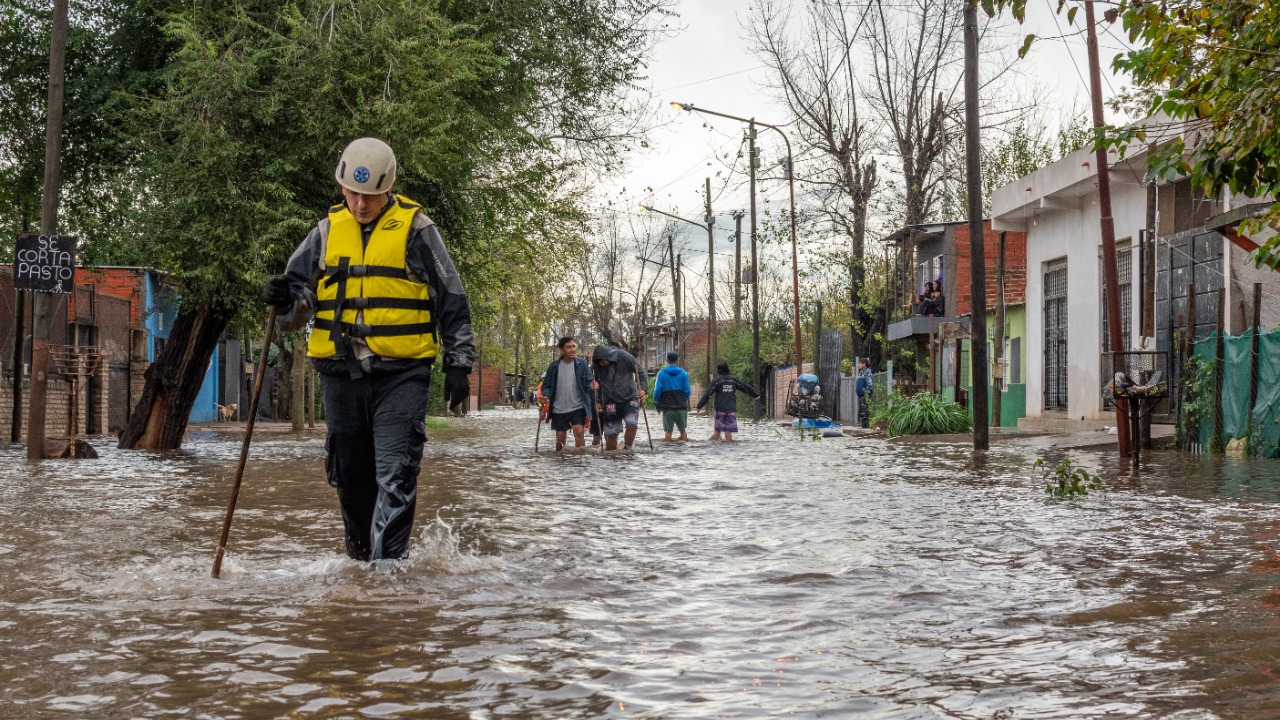

Flash flooding in Kentucky killed at least four people after torrential rain overwhelmed roads, homes, creeks, and low-lying communities, forcing emergency crews into dozens of water rescues while families waited for news of missing or trapped loved ones.
The flooding followed intense thunderstorms that dumped several inches of rain over parts of the state in a short period. According to The Guardian, Governor Andy Beshear said four people had died, including three in Madison County and one in Jackson County, after flash floods swept across Kentucky. The governor declared a state of emergency and urged residents to avoid flooded roads, especially at night.
Reuters Connect reported that more than 60 rescues were carried out after up to eight inches of rain fell in parts of Kentucky, triggering flash flooding across multiple counties. That scale of rescue activity shows how quickly a heavy-rain event can become a life-or-death emergency.
Where the Deaths Were Reported
The confirmed deaths were reported in Madison County and Jackson County. Madison County officials said three people died there, while another death occurred in Jackson County. Local reports said some victims were found after floodwaters entered homes and vehicles, showing how dangerous flash flooding can be both indoors and on the road.
Flash floods are especially deadly because they can rise with little warning. A small stream can become a violent current. A road that looked passable minutes earlier can become a trap. A home in a low-lying area can suddenly fill with water before residents have time to leave safely.
That is why officials repeatedly tell people not to drive through floodwater and not to wait too long to evacuate when emergency alerts are issued.
Why the Rainfall Became So Dangerous
Kentucky’s flood emergency was driven by heavy thunderstorms capable of producing extreme rainfall rates. Some areas received up to seven or eight inches of rain, overwhelming drainage systems, creeks, roads, and low-lying neighborhoods.
The National Weather Service warns that flash floods can happen within minutes or hours of heavy rainfall, dam or levee failure, or sudden water release. When rainfall falls faster than the ground and waterways can absorb it, water spreads quickly across roads, fields, yards, and buildings.
Kentucky’s terrain can make flash flooding worse. Hills, hollows, creeks, and narrow valleys can funnel water rapidly. In rural and semi-rural areas, small bridges and low-water crossings may become dangerous before drivers realize the depth or speed of the water.
The “Turn Around, Don’t Drown” Warning Matters
One of the most repeated flood-safety warnings is also one of the most important: turn around, don’t drown. It may sound simple, but many flood deaths happen in vehicles.
The National Weather Service’s Turn Around Don’t Drown campaign warns that just six inches of moving water can knock a person down, while one foot of moving water can sweep away many vehicles. Two feet of rushing water can carry away most cars, including larger vehicles.
Drivers often underestimate both water depth and current speed. Flooded roads may hide washed-out pavement, collapsed shoulders, debris, or sinkholes. At night, the danger is even greater because drivers may not see where the road ends and floodwater begins.
Crews Conducted Dozens of Rescues
Emergency crews responded with boats, high-water vehicles, and rescue teams as floodwaters trapped people in homes and vehicles. More than 60 rescues were reported across affected areas, while emergency responders continued checking damaged neighborhoods and flooded structures.
Swift-water rescues are dangerous for both victims and rescuers. Floodwater can carry debris, chemicals, sewage, sharp objects, and strong currents. A rescue boat may have to navigate around power lines, fences, trees, submerged vehicles, and washed-out roads.
The fact that crews were still searching and assessing damage after the water began to recede shows the scale of the disaster. In flash floods, survivors may be trapped in attics, on rooftops, inside vehicles, or in isolated homes cut off by damaged roads.
Bullitt County Faced a Separate Dam Concern
The flooding also brought concern in Bullitt County, where residents near a dam embankment in the Lebanon Junction area were urged to evacuate after a landslide. Reports said officials were monitoring the site and warning residents while flood conditions remained dangerous.
Dam and embankment concerns add another layer of risk during heavy rainfall. Even when there is no immediate sign of failure, saturated ground and landslides can weaken structures, block drainage, and create emergency evacuation situations.
For residents, the key message is to follow local orders quickly. A dam-related evacuation warning is not the time to wait and see what happens.
Why Flash Floods Are Hard to Predict at Street Level
Meteorologists can forecast heavy rain and issue watches and warnings, but the exact street-by-street impact of flash flooding can be difficult to know in advance. A thunderstorm may stall over one county while another nearby area receives less rain. A small creek may rise faster than expected. A drainage system may clog with debris.
This is why official warnings often cover broad areas. People may think the warning is exaggerated if their own yard is still dry, but a few miles away water may already be rising fast.
The Federal Emergency Management Agency advises people to prepare before flooding begins by knowing evacuation routes, moving to higher ground when told, keeping emergency supplies ready, and avoiding floodwater.
Kentucky’s Recent Flood History Adds to the Fear
Kentucky residents have painful memories of past floods. The catastrophic 2022 eastern Kentucky floods killed dozens of people and destroyed homes, bridges, roads, and entire communities. That disaster left many families deeply aware of how quickly water can turn deadly.
The new flooding was not the same scale as the 2022 disaster, but it carried the same terrifying pattern: intense rain, rapidly rising water, road washouts, rescues, damaged homes, and families waiting for answers.
In flood-prone regions, every new flash-flood emergency reopens old fears. People know that once water starts moving through a hollow, creek bed, or low road, there may be very little time to escape.
Why Nighttime Flooding Is Especially Deadly
Governor Beshear specifically warned people to avoid driving at night during the flooding threat. That warning is important because nighttime flooding is harder to see and harder to survive.
At night, drivers may not notice water over a road until they are already in it. Depth is difficult to judge. Washed-out pavement is invisible. Rain glare from headlights can hide debris. People sleeping in homes may not receive or hear alerts quickly enough.
Nighttime also makes rescue harder. Crews must operate in darkness, rain, and moving water while trying to locate people who may not know exactly where they are. Every delay can increase danger.
Floodwater Is Not Just Rainwater
Floodwater can contain sewage, fuel, pesticides, trash, sharp metal, broken glass, animal waste, and other contaminants. It can also hide snakes, insects, unstable ground, downed power lines, and open manholes.
After a flood, people should avoid walking or driving through water unless absolutely necessary. Children should never play in floodwater. Anyone cleaning flooded homes should use protective clothing, wash hands often, and follow public-health guidance.
The Centers for Disease Control and Prevention warns that floodwater can pose health risks and that people should avoid contact when possible, especially if the water may be contaminated.
Why Homes Can Become Traps
During flash floods, homes in low-lying areas can become dangerous quickly. Water can push doors shut, break windows, collapse walls, short out electrical systems, and trap people in lower floors. Basements are especially dangerous because water can fill them rapidly.
People should move to higher floors if trapped, but they should avoid enclosed attics unless they have a way to signal or escape. If water continues rising and rescue is needed, calling 911 and providing exact location details is critical.
People should not enter damaged homes until authorities say it is safe. Structural damage, electrical hazards, gas leaks, mold, and contaminated water can remain dangerous after the visible flooding is gone.
Search Efforts Continue After Water Recedes
The search for survivors often continues after floodwaters begin to fall. Receding water can reveal damaged vehicles, collapsed structures, debris piles, washed-out bridges, and areas that were inaccessible during the height of the flood.
Crews may need to go door to door, check creek banks, inspect vehicles, and confirm whether residents evacuated safely. In rural areas, communication outages and blocked roads can make this work slower.
For families, this period is agonizing. The flood may look like it is over, but the human emergency continues until every person is accounted for.
Why State of Emergency Declarations Matter
Governor Beshear’s state of emergency declaration allowed Kentucky to mobilize more resources for rescue, response, and recovery. A state of emergency can help coordinate agencies, activate emergency operations, request outside assistance, and speed support to local governments.
Disaster response requires coordination between local fire departments, police, emergency management, state agencies, transportation crews, utility companies, medical providers, and sometimes the National Guard.
When roads are washed out, homes are flooded, and emergency calls come in from multiple counties, local responders can become overwhelmed quickly. State-level coordination helps move people and equipment where they are needed most.
What Residents Should Do During Ongoing Flood Threats
People in affected areas should monitor local alerts, avoid unnecessary travel, and stay away from flooded roads, creeks, bridges, and low-water crossings. If officials order evacuation, residents should leave early and move to higher ground.
Phones should remain charged, and emergency alerts should be enabled. Families should keep important documents, medicines, water, flashlights, chargers, and basic supplies ready in case they need to leave quickly.
People should also check on neighbors who may need help, including older adults, people with disabilities, families with small children, and those without reliable transportation.
Why Flood Recovery Takes Longer Than the Storm
The rain may stop in hours, but recovery can take weeks, months, or longer. Flooded homes may need demolition, drying, mold removal, electrical inspection, and structural repair. Roads, bridges, culverts, and water systems may need major work.
Families may lose vehicles, clothing, furniture, documents, medications, tools, and irreplaceable belongings. Small businesses may lose inventory and income. Farmers may lose livestock, equipment, crops, and fencing.
Flood recovery is both physical and emotional. Survivors may need shelter, food, insurance help, mental-health support, legal assistance, and long-term rebuilding resources.
Why Climate and Development Are Part of the Conversation
Heavy rainfall events are becoming more damaging in many parts of the United States as warmer air holds more moisture and development changes how water moves across landscapes. More pavement, roofs, and compacted ground can increase runoff, while aging drainage systems may not handle extreme downpours.
This does not mean every single flood has one simple cause. But it does mean communities need to plan for heavier rainfall, better warning systems, stronger drainage, safer roads, and smarter land use in flood-prone areas.
Kentucky’s repeated flood disasters show that preparedness cannot be treated as a one-time effort. It must be part of long-term community planning.
Final Takeaway
Kentucky flash floods killed at least four people after torrential rain sent water rushing through roads, homes, and low-lying communities. Three deaths were reported in Madison County and one in Jackson County, while crews carried out more than 60 rescues and continued searching damaged areas for survivors.
Governor Andy Beshear declared a state of emergency as heavy rain, flooded roads, rescue operations, and evacuation concerns stretched across multiple counties. Officials urged residents to avoid travel, stay away from floodwater, and take warnings seriously, especially at night.
The disaster is another reminder that flash floods are among the fastest and deadliest weather hazards. Water can rise in minutes, vehicles can be swept away in seconds, and homes can become traps before families realize how serious the danger has become. The safest choice is to move early, avoid flooded roads, follow official alerts, and never underestimate moving water.