
Big Tech is moving from buying clean-energy credits to signing direct nuclear-power deals as artificial intelligence data centers demand enormous amounts of reliable electricity. Microsoft, Google, Amazon, and Meta are no longer treating nuclear power as a distant idea. They are helping restart old reactors, support existing nuclear plants, and finance next-generation reactors that could one day sit closer to large computing campuses.
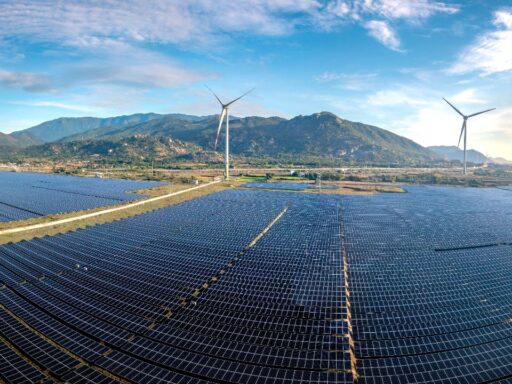
The shift is being driven by a simple problem: AI data centers need steady power all day and all night. Wind and solar are expanding quickly, but they do not always match the constant demand of AI training clusters and cloud infrastructure. Natural gas can fill the gap, but it increases emissions. Nuclear power offers a different promise: large amounts of carbon-free electricity that can run continuously.
Reuters reported that Big Tech companies are putting serious financial weight behind next-generation nuclear power as AI demand surges. The deals are designed to support long-term electricity supply, help new nuclear projects secure financing, and give tech companies cleaner power for their rapidly expanding data-center fleets.
Why AI Data Centers Need So Much Power
Modern AI data centers are not ordinary office server rooms. They contain thousands of high-performance chips that train and run large AI models. These chips consume huge amounts of electricity and produce enormous heat, which requires even more power for cooling, power conversion, networking, and backup systems.
The International Energy Agency has warned that data-center electricity demand is rising sharply as AI use grows. In its Electricity 2024 report, the IEA said electricity consumption from data centers, artificial intelligence, and cryptocurrency could more than double by 2026 from 2022 levels. More recent industry analysis suggests the pressure will continue through the decade as companies build larger AI campuses.
That demand is now affecting power markets, grid planning, factory power bills, and local infrastructure. Reuters recently reported that Big Tech data centers are driving up power costs for some Rust Belt factories, showing that AI infrastructure is no longer just a tech issue. It is becoming an energy-system issue.
Microsoft’s Three Mile Island Deal Became a Turning Point
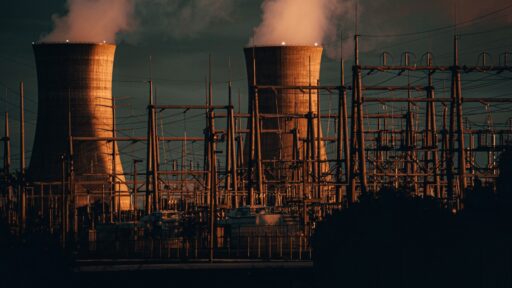
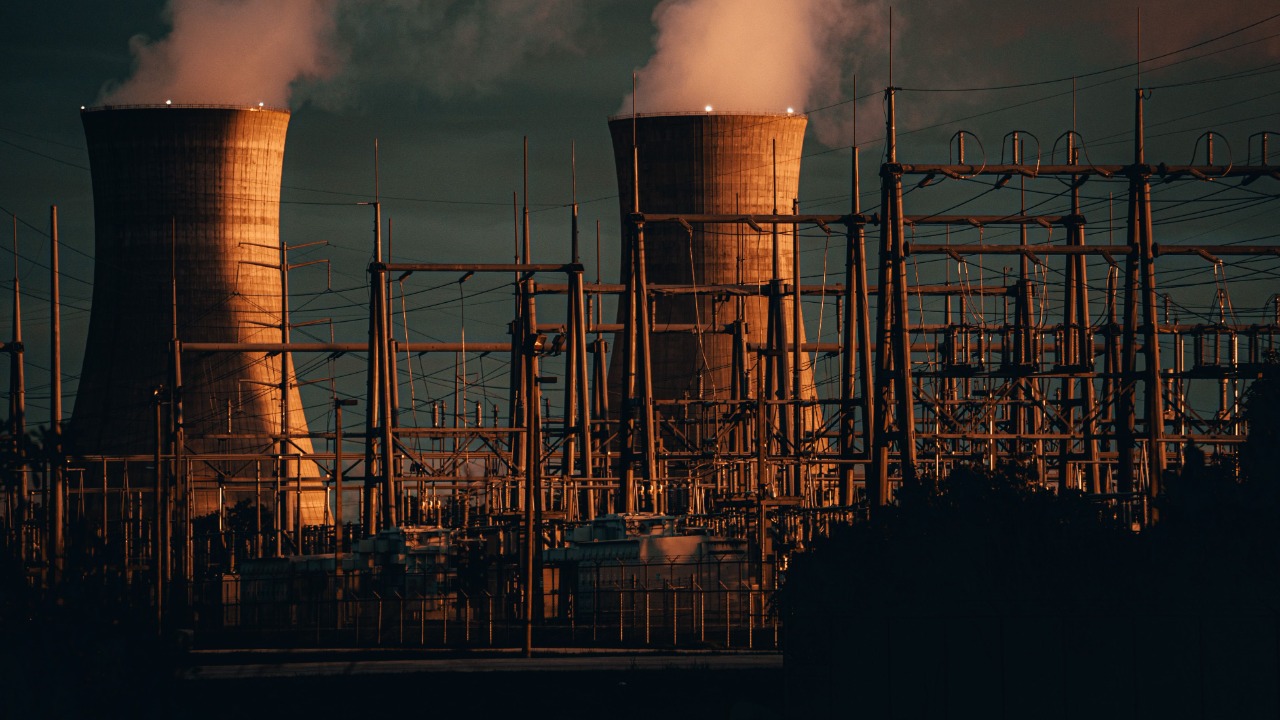
One of the most visible examples is Microsoft’s agreement with Constellation Energy to help restart Unit 1 at the Three Mile Island nuclear site in Pennsylvania, now renamed the Crane Clean Energy Center. The reactor shut down in 2019 for economic reasons, but Microsoft’s long-term power purchase agreement gave the restart project a major commercial anchor.
Constellation said the project would bring the reactor back to service and supply Microsoft with carbon-free electricity for its data centers. The company described the agreement in its Crane Clean Energy Center announcement, saying it planned to invest heavily in restoring the plant and creating hundreds of jobs.
The deal attracted attention because Three Mile Island is one of the most famous nuclear sites in U.S. history. Unit 2 suffered the 1979 accident and has remained shut. Unit 1, the reactor involved in the Microsoft-backed restart, is a separate unit that operated for decades before closing in 2019.
Why Restarting Old Reactors Is Suddenly Attractive
Restarting a retired nuclear plant is difficult, expensive, and tightly regulated, but it can be faster than building a completely new reactor. The land, grid connection, workforce history, cooling systems, and nuclear licensing framework may already exist. That makes closed plants attractive in a world where AI companies need large power sources quickly.
This does not mean restarts are easy. Equipment must be inspected, replaced, tested, and licensed. Workers must be rehired or trained. Regulators must approve the return to operation. Communities must be convinced that the plant can operate safely and economically.
Still, Microsoft’s deal showed that a large technology customer can change the economics. If a data-center company is willing to sign a long-term power contract, a nuclear owner may have enough revenue certainty to justify a restart.
Google’s Small Modular Reactor Bet
Google has taken a different path by backing advanced nuclear development. In 2024, Google announced an agreement with Kairos Power to support a fleet of small modular reactors, with the first project expected later this decade and additional capacity planned afterward.
Google said the partnership would help bring advanced nuclear energy to the grid and support its clean-energy goals. The company described the agreement in its Kairos Power nuclear energy announcement, saying advanced nuclear could provide round-the-clock carbon-free power for electricity grids that serve Google data centers.
Small modular reactors, often called SMRs, are designed to be smaller and potentially easier to build in repeatable factory-style designs. Supporters say they could help provide clean power near industrial loads, data centers, military bases, and remote communities. Critics argue that SMRs still face major cost, licensing, construction, fuel, waste, and timeline challenges.
Amazon’s Nuclear Push
Amazon has also moved aggressively toward nuclear energy. The company announced agreements involving X-energy and Energy Northwest to support advanced nuclear development, along with investments connected to future reactors. Amazon said the projects could help deliver carbon-free power to the grid while supporting its growing cloud and AI needs.
In its nuclear energy investment announcement, Amazon said nuclear energy could play an important role in meeting rising power demand while helping the company move toward its climate commitments. The company framed the investment as part of a broader strategy that also includes wind, solar, batteries, and other carbon-free technologies.
Amazon Web Services is one of the world’s largest cloud platforms, and AI workloads are increasing demand inside its data centers. Nuclear power offers Amazon a way to support large, steady loads without relying entirely on fossil-fuel generation.
Meta Signs Long-Term Nuclear Agreements
Meta has also entered the nuclear race. In January 2026, Meta announced agreements with Vistra, TerraPower, and Oklo to support existing and future nuclear power projects. The company said the agreements would help expand the operation of nuclear plants, support advanced nuclear development, and strengthen energy infrastructure for American AI leadership.
Meta’s official announcement on nuclear energy projects said the company sees nuclear as a reliable source of clean power that can support the grid and the future of AI computing. Reuters also reported that Meta struck 20-year agreements to buy power from three Vistra nuclear plants in the U.S. heartland.
The Meta deals are important because they show that nuclear is moving from one-off experiments into a broader Big Tech strategy. The largest AI and cloud companies are not waiting for utilities alone to solve the power problem. They are directly shaping the market.
Why Direct Deals Matter
Direct nuclear-power deals matter because they give power producers long-term customers. Nuclear plants are capital-intensive. They require huge upfront investment, long planning timelines, strict regulation, specialized labor, and confidence that electricity revenue will exist for decades.
A long-term agreement with Microsoft, Google, Amazon, or Meta can help unlock financing because investors and lenders see a major customer willing to buy the electricity. That is especially important for advanced nuclear reactors, which still need commercial proof.
For Big Tech, direct deals can secure power in a constrained market. Data centers cannot wait indefinitely for grid upgrades. If a company can contract directly for clean baseload power, it may gain a competitive edge in building AI infrastructure.
Why Nuclear Fits AI Better Than Some Other Clean Sources
AI data centers need electricity around the clock. Nuclear plants are designed to run continuously for long periods, often producing steady output at high capacity. That makes nuclear attractive for constant industrial loads.
Wind and solar are essential parts of the clean-energy transition, but they are variable. Solar power falls at night. Wind output changes with weather. Batteries can help, but storing enough electricity for large AI campuses over long periods remains expensive and technically challenging.
Nuclear’s value is not that it replaces renewables. Its value is that it can complement them. A grid with wind, solar, batteries, hydro, geothermal, demand response, transmission upgrades, and nuclear can be more resilient than a grid depending heavily on one resource.
The Climate Argument
Big Tech companies have made ambitious climate promises, but AI growth is making those targets harder to hit. Microsoft, Google, and Amazon have all reported rising emissions tied partly to data-center construction, supply chains, and electricity demand. The Guardian reported that combined emissions from Microsoft, Amazon, and Google rose sharply as AI infrastructure expanded.
Nuclear power appeals to these companies because it produces electricity with very low operational carbon emissions. It can help reduce reliance on gas and coal generation if deployed effectively.
But the climate argument has limits. A nuclear deal only helps if it adds or preserves clean power rather than simply reshuffling existing electricity on paper. Critics argue that companies must prove their deals create real additional clean energy and do not leave ordinary customers paying higher grid costs.
Why Critics Are Still Cautious
Nuclear power remains controversial. Supporters emphasize reliability, low carbon emissions, energy security, and high power density. Critics point to high costs, long construction timelines, radioactive waste, uranium supply, water use, accident risk, and the history of projects running over budget.
Small modular reactors face additional uncertainty because many designs have not yet been commercially proven at scale. A tech company can sign an agreement today, but the reactor may not produce electricity for years. Some projects could be delayed, redesigned, or canceled.
That means Big Tech’s nuclear strategy is not a quick fix. Existing reactors and restarts may help sooner. New advanced reactors are more of a long-term bet.
Grid Pressure Is Becoming Political
Data-center growth is now affecting local and state politics. Communities want jobs and tax revenue, but they also worry about power bills, water use, transmission lines, noise, land use, and whether ordinary residents will subsidize infrastructure for trillion-dollar companies.
Reuters has reported that fast-tracked power plants are being used to support the AI boom with limited public scrutiny in some areas. That creates a fairness question. If data centers require new power plants and grid upgrades, who pays?
Nuclear deals may reduce some pressure by bringing dedicated power supply, but they can also raise new questions about who benefits from publicly supported nuclear development, federal loans, tax credits, and grid access.
Why Existing Nuclear Plants Are Suddenly More Valuable
For years, some U.S. nuclear plants struggled economically because cheap natural gas and subsidized renewables lowered wholesale power prices. Several plants closed or came close to closing. Now the rise of AI has changed the conversation.
Existing nuclear plants are valuable because they already produce large amounts of carbon-free electricity. Keeping them open may be cheaper and faster than replacing their output with new generation. Tech companies now see those plants as strategic assets.
This is why agreements to extend or expand existing nuclear generation may become more common. A reactor that once looked financially weak may now look essential in a power-hungry AI economy.
Why New Reactors Still Face a Long Road
New nuclear reactors require regulatory approval from the Nuclear Regulatory Commission, detailed safety reviews, supply chains, trained workers, fuel availability, financing, and local support. Even if a company signs a power deal, the reactor still has to be built safely and economically.
Advanced reactors may use different coolants, fuels, sizes, and operating methods than traditional light-water reactors. That can offer potential advantages, but it also means regulators and developers must work through new technical questions.
The U.S. Nuclear Regulatory Commission has been preparing for advanced reactor reviews, but licensing and deployment are still complex. Big Tech money can accelerate interest, but it cannot remove the engineering and safety requirements.
AI Could Also Help the Grid Use Power More Flexibly
Not every answer has to be a new power plant. Researchers are also exploring how AI data centers can become more flexible electricity users. Instead of operating as rigid loads, AI clusters could reduce power during grid stress, shift workloads to other regions, or schedule non-urgent computing when clean power is available.
Recent research on power-flexible AI data centers argues that large compute facilities can respond to grid signals while preserving priority services. This matters because the cheapest megawatt may be the one that does not need to be built at peak demand.
Nuclear power may help provide steady supply, but smarter data-center operations could reduce stress on the grid and lower the need for emergency fossil-fuel generation.
The New Energy Map of Big Tech
The nuclear deals show that Big Tech is becoming more like an energy-sector player. These companies are no longer just buying electricity from the grid. They are influencing which power plants are built, restarted, financed, or kept alive.
That changes the relationship between technology, utilities, regulators, and communities. AI companies want fast power. Utilities need stable planning. Regulators must protect reliability and customers. Communities want economic growth without unfair costs or safety risks.
Nuclear power sits at the center of that tension because it offers big benefits and big responsibilities.
Why This Moment Feels Different
Technology companies have bought renewable energy for years, but direct nuclear deals feel different because they involve long-term commitments to huge, complex power assets. Restarting a reactor or backing a new reactor fleet is not the same as buying renewable-energy certificates.
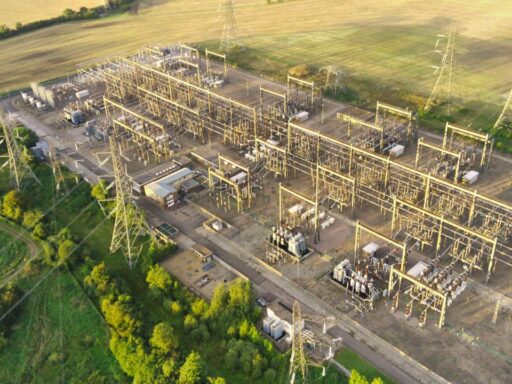
The move signals that AI infrastructure is becoming so energy-intensive that the largest tech companies need firm, physical power strategies. Cloud computing used to be discussed mostly in terms of software, chips, and networks. Now it is also about reactors, substations, transmission corridors, cooling systems, and electricity markets.
AI is making the digital economy look much more industrial.
What Comes Next
The next few years will show whether these nuclear deals become real power supply or remain ambitious announcements. The key tests will be regulatory approval, construction progress, cost control, public acceptance, grid integration, and whether reactors actually deliver electricity on schedule.
Microsoft’s restart deal will be watched closely because it could prove whether retired nuclear plants can be revived for AI-era demand. Google and Amazon’s SMR agreements will test whether advanced nuclear can move from demonstration to commercial deployment. Meta’s long-term agreements will show whether existing nuclear plants can become central to AI infrastructure planning.
If these projects succeed, nuclear power could become a major pillar of the AI economy. If they stumble, Big Tech may fall back harder on natural gas, renewables, batteries, and grid-flexibility tools.
Final Takeaway
Big Tech is signing direct nuclear-power deals because AI data centers need enormous amounts of reliable electricity, and the grid is struggling to keep up. Microsoft is helping restart the Three Mile Island Unit 1 site as the Crane Clean Energy Center. Google is backing Kairos Power’s small modular reactor plans. Amazon is supporting X-energy and other nuclear projects. Meta has signed long-term nuclear agreements with Vistra, TerraPower, and Oklo.
The appeal is clear. Nuclear power can provide large, round-the-clock, low-carbon electricity for energy-hungry AI infrastructure. But the strategy is not simple. Restarting reactors, building new ones, licensing advanced designs, managing waste, controlling costs, and protecting communities all remain major challenges.
AI has turned electricity into one of the most important limits on Big Tech growth. Nuclear power is now part of the answer, but whether it becomes the backbone of the AI era will depend on whether these deals can move from headlines to safe, affordable, working reactors.