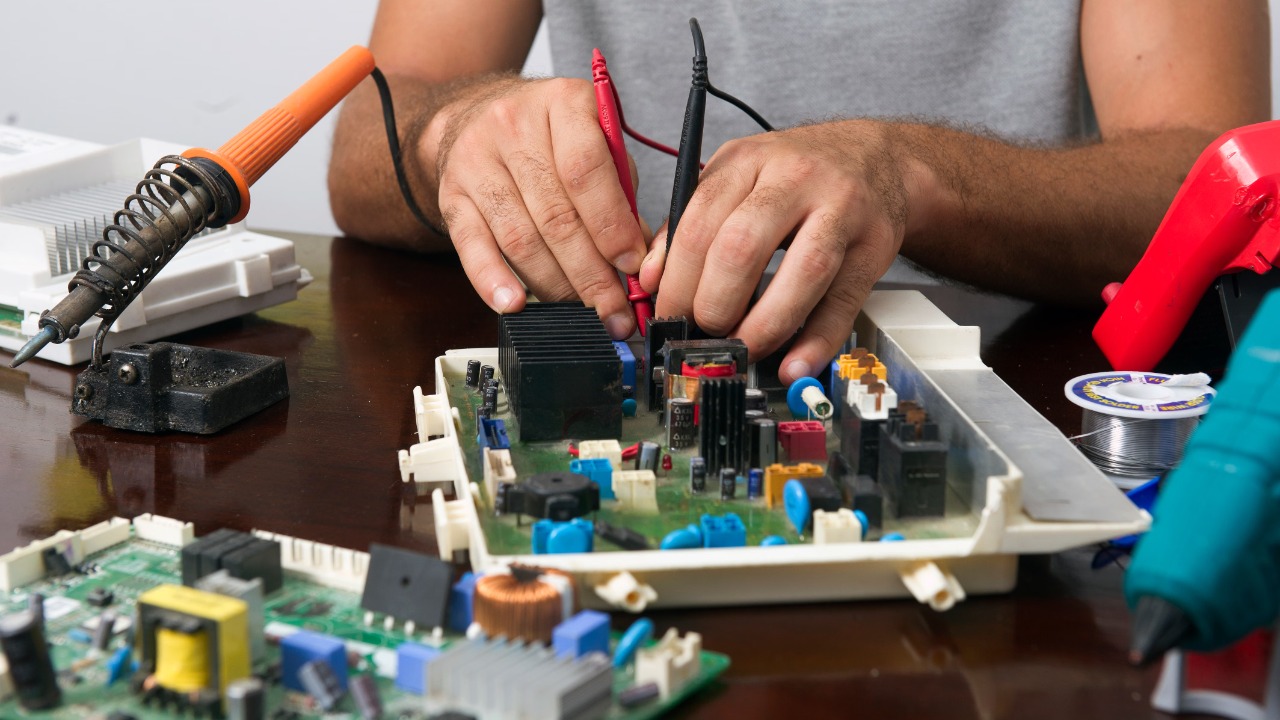

RV owners are being warned about a recall involving printed circuit boards that can overheat and become a fire hazard inside certain recreational vehicles. The problem is tied to MaxxAir N-Series Maxxfan rooftop ventilation fans, where the printed circuit board may fail during certain operations and overheat.
According to a federal recall report filed with the National Highway Traffic Safety Administration, supplier Airxcel recalled about 5,021 MaxxAir N-Series Maxxfan units because the PC board can overheat during certain fan operations. The official NHTSA recall report says that if the board fails and enters a “runaway thermal event,” it can lead to a fire and personal injury.
The issue has already triggered vehicle recalls from RV manufacturers including Airstream and Tiffin Motorhomes. RVs often contain wood, insulation, fabrics, wall panels, wiring, propane appliances, and compact living spaces, so even a small electrical overheating event can become dangerous quickly.
Which RV Equipment Is Involved?
The recalled equipment involves certain MaxxAir N-Series Maxxfan rooftop ventilation fans made by Airxcel. The affected part numbers listed in the NHTSA equipment recall include 00-04700NX, 00-04900NX, 00-04950NX, 00-08950N, 00-08900N, and 10B21275N.
The recall population was linked to printed circuit boards made after the 51st week of 2025 through mid-June 2026. The NHTSA filing says affected PC boards are date stamped, and boards with date codes after 5125 are part of the recall. Remedy boards are identified with a “Q.C. PASSED” sticker, while remedied fan units have a “QUAL INSP” sticker.
This is important because the hazard is not simply “any RV fan.” It is tied to specific fan models and circuit boards. Owners should check official recall notices, VIN lookup tools, and dealer communications rather than guessing based only on the fan brand.
Which RVs Are Affected?
Airstream is recalling certain 2026 Classic recreational trailers and 2025 through 2027 Interstate RVs equipped with certain MaxxAir N-Series Maxxfan rooftop ventilation fans. RV News reported that Airstream’s recall covers 303 units, with dealers replacing the printed circuit board free of charge.
Tiffin Motorhomes is also recalling certain 2026 and 2027 RVs equipped with certain MaxxAir N-Series Maxxfan rooftop ventilation fans. The affected Tiffin models include Zephyr, Wayfarer, Phaeton, Open Trail, GT1, Allegro Red, Allegro Open Road, Allegro Bus, Allegro Bay, Midas, Byway, and Allegro Breeze recreational vehicles. RV Fixed Operations Today reported that the Tiffin recall covers 425 vehicles, with dealers replacing the circuit board at no cost.
Transport Canada also issued a related Airstream recall notice, warning that the rooftop ventilation fan circuit boards may not have been manufactured correctly and could overheat. The Canadian notice says owners will be advised to take their motorhome to a dealership to replace the ventilation fan circuit board.
Why an Overheating Circuit Board Is Dangerous
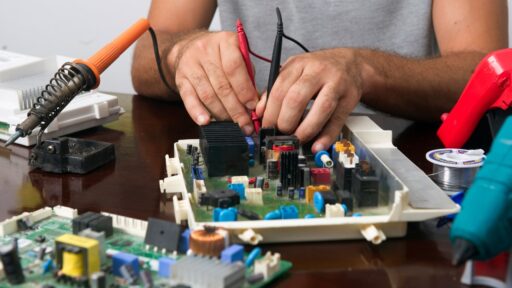
A printed circuit board controls electrical functions inside a device. In a rooftop fan, the board may help manage fan speed, controls, sensors, or related operating features. When a board is designed and manufactured correctly, it should handle electrical load and heat safely.
But if a component fails, overheats, shorts, or experiences an uncontrolled thermal event, the board can become an ignition source. Nearby plastic housings, insulation, wires, dust, roof materials, and interior finishes can add fuel. In an RV, fire can spread fast because living space is compact and escape routes may be limited.
The NHTSA equipment recall for Airxcel says smoke may be present if the board is experiencing a thermal event. Smoke is a warning sign that owners should take seriously. If a fan smells hot, smokes, sparks, shuts down strangely, or shows signs of melting, the vehicle should be inspected immediately.
Why RV Fires Can Escalate Quickly
RV fires can be especially dangerous because a motorhome or trailer combines home-like living space with vehicle systems. Electrical circuits, batteries, propane lines, appliances, cooking equipment, HVAC components, generators, chargers, and compact cabinetry may all be close together.
A fire that begins in a ceiling fan area can spread into roof cavities or interior panels. Smoke can fill the living space quickly, especially when windows and vents are closed. Sleeping occupants may have little time to react if a fire starts at night.
This is why electrical recalls in RVs should never be ignored. A recalled part may look small, but its location and heat behavior can make it serious.
What Owners Should Do
Owners of affected RVs should contact their dealer or manufacturer and schedule the free repair when notified. Airstream owners can contact Airstream customer service, while Tiffin owners can contact Tiffin customer service. Owners can also search their VIN through the NHTSA recall lookup tool to check whether their vehicle is included.
Because VIN data may become searchable only after manufacturer notification dates, owners should check again if their RV seems likely to be affected but does not immediately appear in the database. A dealer can also inspect the fan and board date code.
The remedy is to replace the printed circuit board. Owners should not attempt unofficial repairs, bypass wiring, or modify the fan themselves unless directed by the manufacturer or a qualified technician. Electrical work inside RVs should be handled carefully because improper repairs can create new fire risks.
Why the Recall May Affect More Than One Brand
The recall began with equipment supplied to RV manufacturers. That means multiple RV brands can be affected if they installed the same MaxxAir N-Series Maxxfan units with the suspect PC boards. This is common in the RV industry because many manufacturers use shared suppliers for fans, appliances, heaters, refrigerators, water pumps, windows, axles, and electrical systems.
An equipment recall can therefore lead to several vehicle recalls. Airxcel recalled the fan equipment, while RV makers that installed the affected fans must notify their own owners and repair vehicles.
This is why RV owners should pay attention not only to the RV brand but also to supplier recalls. A motorhome or trailer may contain components from many companies, and a safety issue can come from any one of them.
What the Recall Timeline Shows
The NHTSA filing describes a sequence of thermal-event reports and testing. An issue involving a Maxxfan unit was raised at Airstream in May 2026. A second event occurred later that month. Airstream returned suspect PC boards to RV Products, an Airxcel brand, and further evaluation was conducted with Spyder Controls, the board manufacturer.
By mid-June, the supplier notified RV Products of a safety issue, and Airxcel’s safety committee determined that a safety defect existed and voted to conduct a recall.
That timeline matters because it shows how a component-level issue can move from field reports to supplier testing to a formal safety recall. It also shows why owners should report smoke, overheating, melting, or electrical failures instead of treating them as isolated problems.
How Owners Can Check for Warning Signs
Owners should inspect rooftop ventilation fans for obvious signs of trouble. Warning signs can include burning odors, smoke, discoloration, melted plastic, unusual fan behavior, flickering controls, repeated fuse issues, unexpected shutdowns, buzzing sounds, or heat around the fan assembly.
However, the absence of warning signs does not mean the vehicle is safe if it is included in the recall. A recalled circuit board may fail only under certain operations, and an owner may not notice anything until the failure occurs.
The safest action is to confirm recall status and complete the official repair. Waiting until the fan shows symptoms may be too late.
Why Smoke Should Never Be Ignored
The NHTSA equipment report says smoke may be present if the PC board is experiencing a thermal event. Smoke from any electrical component should be treated as an emergency warning.
If smoke appears, occupants should stop using the fan, disconnect power if it is safe to do so, leave the RV if fire is suspected, and call emergency services. People should not continue operating the fan to “test” whether the smoke returns.
Electrical smoke can mean insulation, plastic, solder, or components are overheating. Even if flames are not visible, heat may already be building inside the fan housing or ceiling area.
RV Electrical Systems Need Regular Attention
This recall is also a reminder that RV electrical systems need regular inspection. RVs experience road vibration, moisture, heat, cold, dust, long storage periods, and heavy use during travel seasons. These conditions can stress wiring, connectors, fuses, circuit boards, appliances, and batteries.
Owners should regularly check electrical panels, battery compartments, shore power cords, inverter systems, chargers, outlets, fans, and appliances. Loose connections, corrosion, overheating marks, melted insulation, and unusual smells should be addressed promptly.
A qualified RV technician can inspect electrical systems before long trips, especially if the RV has been stored for months or recently had repairs or upgrades.
Why Rooftop Fans Matter in RVs
Rooftop ventilation fans are not luxury accessories. They help move air, reduce humidity, control heat, ventilate cooking smells, and improve comfort in small living spaces. Many RV owners use them daily during camping season.
Because they are mounted in the roof, they are exposed to heat, sun, vibration, moisture, and electrical cycling. That makes reliability important. A roof-mounted fan that overheats is not just an equipment failure. It is a fire risk in a hard-to-access part of the vehicle.
This is why the official remedy focuses on replacing the circuit board rather than telling owners simply to watch for symptoms.
Why Fire Extinguishers and Alarms Matter
Every RV should have working smoke alarms, carbon monoxide alarms, propane detectors, and fire extinguishers. These devices are basic safety equipment, but they are only useful if they are maintained.
Smoke alarms should be tested regularly. Fire extinguishers should be accessible, charged, and appropriate for likely fire types. Everyone traveling in the RV should know where exits are and how to open emergency windows.
A recall repair prevents one known hazard, but general fire readiness remains essential because RV fires can also start from cooking, batteries, propane leaks, heaters, generators, wiring, shore power, and appliances.
Why Owners Should Avoid Delaying Recall Repairs
Some owners delay recall repairs because the RV seems fine, the dealership is far away, or they do not want to interrupt travel plans. That is risky when the hazard involves overheating and fire.
A recall means the manufacturer or regulator has identified a safety defect. The repair is free because the problem is serious enough to require corrective action. Delaying repairs may leave the RV vulnerable during use, storage, or travel.
Owners preparing for summer road trips should check recall status before departure. It is better to handle the repair before camping than to discover a fire hazard while far from home.
What Buyers of Used RVs Should Know
Used RV shoppers should check open recalls before buying. A seller may not know whether an RV has an unrepaired safety recall, especially if ownership changed or notification letters went to a previous address.
Before purchase, buyers should search the VIN through NHTSA, ask the dealer or seller for recall repair records, and inspect installed components. If the RV has a MaxxAir N-Series Maxxfan, buyers should ask whether the fan falls under the Airxcel equipment recall and whether the printed circuit board has been replaced.
Used RVs can be excellent purchases, but unresolved safety recalls should be treated seriously.
The Bigger Lesson for RV Owners
This recall shows how a small part inside a fan can affect the safety of an entire RV. Modern recreational vehicles are packed with electronics, from lighting and climate control to solar systems, inverters, power distribution, appliances, and smart controls.
Convenience has increased, but so has electrical complexity. That means recalls, inspections, and proper repairs are part of responsible RV ownership.
Owners should sign up for manufacturer updates, keep contact information current, check NHTSA regularly, and avoid ignoring mail from RV makers or suppliers. A recall notice may be the first warning that a hidden component is unsafe.
Final Takeaway
RV circuit boards tied to certain MaxxAir N-Series Maxxfan rooftop ventilation fans have been recalled because they can overheat and create a fire risk. Airxcel’s equipment recall covers about 5,021 affected fan units, and related vehicle recalls have been issued for certain Airstream and Tiffin recreational vehicles.
The safety concern is serious because a printed circuit board can fail during certain fan operations, overheat, smoke, and potentially trigger a thermal event that leads to fire. In an RV’s compact living space, even a small electrical ignition source can become dangerous quickly.
Owners should check their VIN through NHTSA, review manufacturer notices, inspect whether their RV has an affected MaxxAir N-Series Maxxfan, and schedule the free circuit board replacement if included. Until the recall is resolved, any smoke, burning smell, melting, or unusual fan behavior should be treated as an urgent warning sign.