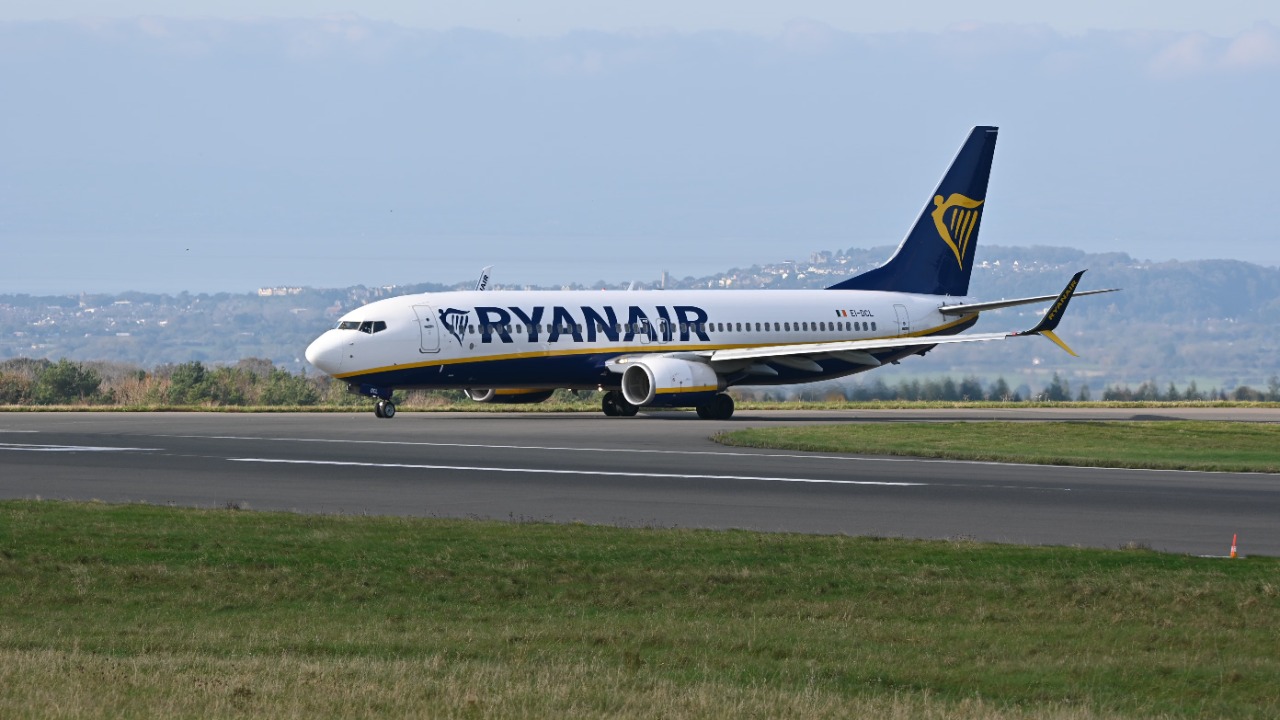

A Ryanair passenger was reportedly partly sucked out of a cabin window after the window was broken during a serious mid-air emergency, forcing the aircraft to make an emergency landing in Greece. The incident happened on a Ryanair Boeing 737 NG flying from Thessaloniki, Greece, to Memmingen, Germany, and quickly became one of the most alarming aviation safety stories of the week.
According to Reuters, the aircraft made an emergency landing in Thessaloniki after a window became dislodged and a passenger was partially pulled toward the opening. The flight had reportedly suffered an engine-related failure, and investigators are examining whether debris from the engine struck the fuselage and damaged the window.
The passenger, identified in reports as a Serbian national, survived with non-life-threatening injuries and was taken to a hospital. Other passengers reportedly helped pull the victim back inside as the cabin depressurized and oxygen masks deployed.
What Happened on the Flight
The Ryanair aircraft had taken off from Thessaloniki and was bound for Memmingen when the emergency unfolded. Reports say the plane was at about 16,000 feet when an engine problem occurred. A piece of engine debris is believed to have struck the side of the aircraft and damaged or dislodged a passenger window.
The Wall Street Journal reported that the passenger seated next to the broken window had his head partially pulled through the opening after the aircraft depressurized. Nearby passengers pulled him back into the cabin, and the pilots turned the aircraft around for an emergency landing.
The aircraft landed safely back in Thessaloniki. The plane remains under investigation, and officials from multiple aviation authorities are involved because the event occurred over North Macedonian airspace, involved an Irish airline, a Boeing aircraft, and CFM International engines.
Why a Broken Window Is So Dangerous at Altitude
Airliner cabins are pressurized because the air is too thin at cruising altitudes for passengers to breathe comfortably. Even at 16,000 feet, cabin pressure differences can be dangerous if the aircraft skin is breached.
When a window breaks or a hole opens in the fuselage, air rushes out rapidly because the pressure inside the cabin is higher than the pressure outside. This sudden loss of pressure can pull loose objects, oxygen masks, and even people toward the opening.
That is why seat belts matter even when the ride feels smooth. A properly fastened seat belt can prevent a passenger from being thrown or pulled during sudden turbulence, decompression, or another emergency. In this incident, passengers reportedly had to help keep the injured traveler inside the aircraft after the window breach.
The Role of Engine Debris
Early reports suggest the window may not have simply “blown open” on its own. Instead, the leading theory is that the aircraft suffered an engine failure, and flying debris damaged the fuselage or window area. That distinction matters because commercial aircraft windows are not designed to open during flight.
The Boeing 737 NG involved is powered by CFM56 engines. If an engine component fails in a way that releases debris, investigators will examine whether the failure was contained inside the engine casing or whether debris escaped and struck the aircraft. An uncontained engine failure is especially serious because fragments can damage the fuselage, wings, fuel systems, hydraulic lines, or cabin.
Sky News reported that a piece of the engine was said to have broken off and smashed one of the jet’s windows, causing a passenger to be partially sucked out as the cabin decompressed. The exact cause will need to be confirmed by aviation investigators, not social media videos or early passenger accounts.
Why Investigators Will Focus on the Engine
Investigators will likely examine the engine, fan blades, engine nacelle, cowling, maintenance records, previous inspections, flight data recorder, cockpit voice recorder, and physical damage pattern. They will also review the flight crew’s response, cabin crew actions, passenger injuries, and aircraft repair history.
Because the incident may involve a CFM56-powered Boeing 737 NG, investigators may compare it with previous engine-failure events involving similar aircraft and engines. That does not mean the same defect caused this incident, but past cases help investigators know where to look.
The U.S. National Transportation Safety Board typically supports foreign-led investigations when U.S.-made aircraft or engines are involved. In this case, reports said U.S. agencies and manufacturers are assisting the investigation led by authorities connected to the airspace where the event occurred.
The Southwest 2018 Comparison
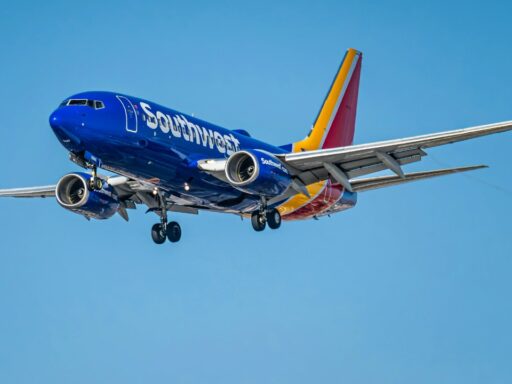
The Ryanair incident immediately reminded many aviation observers of the 2018 Southwest Airlines Flight 1380 accident. In that case, a Boeing 737-700 suffered an engine fan blade failure, debris struck the fuselage, a window broke, and passenger Jennifer Riordan was partially pulled through the opening. She later died from her injuries.
The NTSB final report found that the Southwest accident involved a fan blade that fractured due to fatigue, causing engine debris to damage the aircraft. That case led to inspections and safety actions involving CFM56 engine fan blades and nacelle structures.
The Ryanair passenger survived, but the similarity is obvious enough that investigators will take the comparison seriously. Both cases involve a Boeing 737 family aircraft, an engine event, a damaged window, rapid decompression, and a passenger being pulled toward the opening.
Why the Passenger Survived
Aviation emergencies like this are survivable when several things go right. Nearby passengers reacted quickly. Crew members followed emergency procedures. The pilots descended and returned for landing. The aircraft remained controllable. The passenger was pulled back inside before being fully ejected.
Altitude may also have mattered. This incident reportedly happened at around 16,000 feet, lower than many cruising altitudes. The pressure difference can still be dangerous, but it is generally less extreme than a sudden cabin breach at 32,000 feet.
Still, survival should not make the incident sound minor. A passenger being partly pulled through a broken aircraft window is a life-threatening event. The difference between survival and tragedy can come down to seconds, seat belt use, nearby passengers, and how the aircraft structure fails.
Why Oxygen Masks Deployed
When a cabin depressurizes, oxygen masks deploy automatically so passengers can breathe while pilots descend to a safer altitude. Passengers are instructed to pull the mask down, place it over the nose and mouth, and breathe normally before helping others.
The Federal Aviation Administration explains that passengers should pay attention to safety briefings because emergency procedures, oxygen masks, exits, and seat belts matter during rare but serious events.
During a decompression, confusion and panic can spread quickly. Oxygen masks, crew commands, and seat belts are designed to keep passengers alive while the pilots stabilize the situation.
Why Seat Belts Matter Throughout the Flight
Many passengers loosen or remove seat belts once the aircraft reaches altitude. This incident is a reminder that unexpected emergencies can happen even outside takeoff and landing. A seat belt does not prevent every injury, but it can keep a passenger anchored during turbulence, sudden maneuvers, or decompression.
A window breach creates intense airflow toward the opening. A loosely seated passenger near the breach is at much higher risk than someone securely belted. This is why flight crews often advise passengers to keep seat belts fastened whenever seated, even when the seat belt sign is off.
That advice can feel routine until an incident like this shows why it exists.
Why Aircraft Windows Are Normally Very Strong
Airliner windows are built with multiple panes and are designed to withstand pressure differences, temperature changes, vibration, and repeated flight cycles. They do not open like car or train windows. A normal passenger cannot accidentally open one during flight.
When a window fails catastrophically, investigators look for an external cause, structural damage, manufacturing issue, maintenance issue, or impact. In this case, the suspected link to engine debris is central because a high-speed fragment can damage even strong aircraft structures.
The event does not mean airplane windows routinely “blow open.” It means something abnormal likely compromised the window or surrounding fuselage.
What Passengers Reported
Passenger accounts described a loud bang, a sudden loss of cabin pressure, oxygen masks dropping, and panic inside the aircraft. Videos shared online appeared to show a damaged window area and emergency oxygen masks hanging from the cabin ceiling.
The Guardian reported that the man was said to have been lifted from his seat toward the slipstream after the window shattered. Passengers reportedly grabbed him and held him until the situation was controlled.
Early passenger accounts can be emotional and incomplete, but they help explain the fear inside the cabin. Investigators will rely more heavily on physical evidence and recorder data, but survivor descriptions still provide important context.
Why the Aircraft Turned Back
After a cabin depressurization and engine-related emergency, the safest option is usually to descend and land as soon as practical at a suitable airport. The flight crew turned the aircraft back toward Thessaloniki, where emergency services could meet the plane.
A turnback does not mean the pilots lost control. It means the crew followed emergency logic: stabilize the aircraft, descend to a safer altitude, communicate with air traffic control, prepare the cabin, and land.
Commercial pilots train extensively for engine failures, decompression, emergency descents, and abnormal situations. The safe landing shows how training, procedure, and aircraft redundancy can prevent a catastrophic event from becoming worse.
Why the Plane Will Be Grounded and Inspected
After an incident involving engine damage, fuselage damage, depressurization, and passenger injury, the aircraft will not simply return to service after cleaning. It must be inspected thoroughly. Engineers will examine structural damage, window assemblies, cabin interior, engine components, wiring, systems, and flight data.
The engine may be removed or disassembled. Investigators may recover fragments, compare fracture surfaces, review maintenance logs, and inspect similar engines if a broader risk is suspected.
The goal is not only to repair the aircraft. It is to understand exactly what failed and whether other aircraft need inspections or safety actions.
Why Aviation Investigations Take Time
The public often wants immediate answers after a frightening incident, but aviation investigations take time because investigators must separate fact from assumption. Early reports may say “window blew open,” but the technical question is whether the window failed, was struck by debris, was dislodged by fuselage damage, or was affected by another structural issue.
Investigators will build a timeline from takeoff to emergency landing. They will study radar, cockpit communications, aircraft data, engine parameters, maintenance records, passenger injuries, photographs, and damaged parts.
A final report may take months or longer. Early findings may be released sooner if investigators identify a risk that requires immediate action across the fleet.
What This Means for Boeing 737 NG Safety
The Boeing 737 NG is one of the most widely used aircraft families in the world. Millions of passengers fly on it every year. A serious incident involving one aircraft does not automatically mean the whole fleet is unsafe.
However, aviation safety depends on learning from rare failures. If investigators find a fan blade, nacelle, maintenance, or design issue, regulators may order inspections, repairs, or procedural changes.
That is how commercial aviation has become safer over time. Rare events are investigated deeply, and lessons are applied across fleets when needed.
What Ryanair and Manufacturers Will Face Next
Ryanair will need to cooperate with investigators, support affected passengers, inspect the aircraft, and follow any required corrective actions. Boeing and CFM International will likely provide technical assistance because the aircraft and engine are central to the investigation.
Regulators may examine whether prior inspections were completed properly, whether the aircraft had recent maintenance issues, and whether any earlier diversion or technical event was related. Reuters reported that the same aircraft had diverted on a different flight a day earlier, a detail investigators may review carefully.
At this stage, it would be premature to conclude whether maintenance, manufacturing, design, foreign-object damage, fatigue, or another factor caused the event. The evidence must decide that.
What Passengers Can Learn
Passengers cannot control engine maintenance or aircraft design, but they can take small steps that matter during emergencies. Keep your seat belt fastened while seated. Pay attention to the safety briefing. Know where the nearest exit is. Follow crew instructions immediately. Put on your oxygen mask before helping others.
These steps may feel basic, but they are designed for exactly the kind of rare event that unfolds without warning.
The Ryanair incident is also a reminder not to delay emergency response by filming first. In a decompression or fire, survival depends on seconds, oxygen, restraint, and following crew commands.
Final Takeaway
A Ryanair Boeing 737 NG made an emergency landing in Thessaloniki after an engine-related incident reportedly damaged a cabin window and caused rapid depressurization. A passenger seated near the window was partly pulled toward or through the opening before other passengers helped pull him back inside. He survived with non-life-threatening injuries.
The event is under investigation, with authorities examining whether engine debris struck the aircraft and broke or dislodged the window. The case has drawn comparisons to the fatal 2018 Southwest Airlines accident, but investigators will need physical evidence and flight data before reaching conclusions.
For passengers, the incident is frightening but also shows why aviation safety systems matter. Oxygen masks deployed, the crew responded, the pilots returned the aircraft safely, and nearby passengers helped prevent a worse outcome. The aircraft window did not simply fail in normal conditions; something serious appears to have happened outside the cabin, and the investigation will determine exactly what went wrong.