
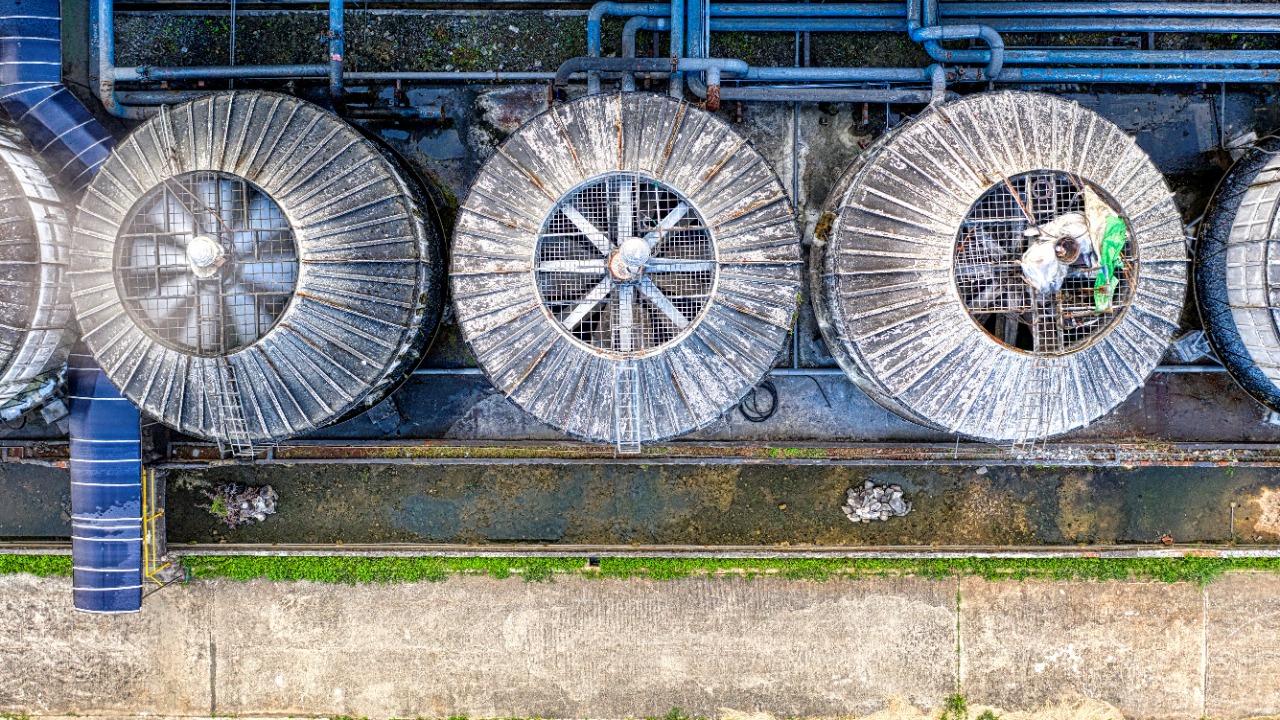

A Legionnaires’ disease cluster in Manhattan has grown to 18 confirmed infections, all tied to a contaminated cooling tower in Harlem. Health officials say the outbreak has already killed five people and sent others to the hospital, turning what began as a localized concern into a citywide warning about aging infrastructure and uneven building maintenance.
Investigators have traced the bacteria to a single tower, but the rising case count and severity of illness are raising hard questions about how quickly New York can detect, contain, and prevent airborne waterborne diseases in dense neighborhoods.
How the Harlem Legionnaires’ cluster grew and what investigators found
The current outbreak centers on a section of Harlem where residents began reporting severe pneumonia symptoms, including high fever, cough, and shortness of breath. According to city health officials, the number of confirmed Legionnaires’ cases climbed from 14 to 18 as more patients were tested and hospitalized, all within the same exposure zone. Public health investigators linked every case to a contaminated cooling tower, which tested positive for Legionella bacteria that matched the strain found in patients.
Officials have described the tower as part of a commercial building that serves the surrounding area with evaporative cooling. After initial water samples came back positive, the building’s management company was ordered to disinfect the system and implement an ongoing treatment plan. The outbreak, which has sickened 18 people and killed five, has been detailed in public health updates and summarized in coverage that tracks how the Harlem cluster expanded over several days.
Legionnaires’ disease is a severe form of pneumonia caused by Legionella bacteria that thrive in warm, stagnant water. Cooling towers, which sit atop many large buildings, are a known risk because they can spread contaminated water droplets into the air over several city blocks. In this case, patients who became ill either lived in or spent time in the affected area, and most were older adults or had underlying health conditions that made them more vulnerable to serious infection.
Earlier health alerts show how quickly the situation escalated. Initial reports cited 14 confirmed infections, prompting warnings to residents to seek immediate care if they developed flu-like symptoms. As testing expanded, the case count rose to 18, confirming that the bacteria had been circulating in the community for days before the cluster was fully recognized. Weather reports at the time highlighted hot, humid conditions that can encourage bacterial growth in poorly maintained water systems, and public health messaging stressed that the 14 early cases were likely not the final tally.
Why this outbreak is especially dangerous for Harlem and beyond
The Harlem cluster is not only about a single contaminated cooling tower. It is also about who lives near that tower and how chronic health inequities amplify the impact of environmental hazards. The 18 confirmed patients include older residents and individuals with conditions such as chronic lung disease, diabetes, or compromised immune systems. Those risk factors, combined with dense housing and limited access to preventative care, help explain why five people have died in this outbreak.
City officials have confirmed that the fatalities are directly linked to the same Legionella strain identified in the Harlem cooling tower. Reports describe how a fifth patient died after being hospitalized with severe pneumonia, adding to four earlier deaths in the same cluster. Coverage of the fifth death emphasizes that all of the victims were adults with underlying health problems, which is consistent with the typical profile of people most at risk from Legionnaires’ disease.
Local television reporting has documented the rising anxiety among Harlem residents as they learned that five neighbors had died and more had been hospitalized. In interviews, community members expressed concern about whether other towers in the area were being tested and whether landlords were following maintenance rules. One detailed report on the Harlem cases noted that some residents were already dealing with asthma and other respiratory conditions, which magnify the danger of any airborne infection.
The cluster also highlights ongoing challenges in enforcing cooling tower regulations across New York City. After a large Bronx outbreak several years ago, the city created a registry of towers and required regular testing and disinfection. Yet health officials have acknowledged that compliance is uneven and that enforcement resources are limited. The Harlem incident suggests that even with rules on the books, lapses in maintenance can persist until a cluster of serious infections exposes the problem.
Public health experts point out that Legionnaires’ disease is not contagious from person to person. The risk comes from inhaling contaminated water droplets, which means the key to prevention lies in infrastructure rather than individual behavior. That places responsibility on building owners and city regulators and raises questions about whether neighborhoods with fewer political and economic resources face higher exposure to poorly maintained systems.
How New York is responding and what must change next
In response to the Harlem outbreak, the New York City Department of Health has ordered immediate remediation of the implicated cooling tower and stepped up inspections of other towers in the surrounding area. Officials have said that additional sampling is underway to make sure no other structures are seeding Legionella into the local air. The health department has also issued alerts to clinicians, urging them to test patients with pneumonia symptoms for Legionnaires’ disease so that new cases are detected quickly and treated with targeted antibiotics.
City leaders have framed the outbreak as a test of the regulatory system created after earlier Legionnaires’ incidents. They have promised a review of inspection records, maintenance logs, and enforcement actions connected to the Harlem tower. Coverage of the fifth fatality notes that health officials are considering civil penalties for any documented failures to follow required testing and disinfection schedules.
Beyond immediate enforcement, public health advocates argue that the city needs a more proactive strategy. That could include real-time digital reporting of tower test results, more frequent surprise inspections, and targeted outreach in neighborhoods where older infrastructure and high rates of chronic illness intersect. Some experts have also called for public maps of cooling tower locations and inspection histories, so residents can better understand their exposure risks.
The Harlem cluster has also drawn attention from neighboring states, where officials are monitoring for any linked cases. Public health agencies in nearby regions have reviewed their own Legionella surveillance systems and cooling tower regulations, concerned that similar vulnerabilities could lead to cross-border exposure. Earlier coverage of how the New York outbreak might affect nearby communities described health departments in other states reviewing whether travel-related cases could appear in their hospitals.
For Harlem residents, the immediate next steps are both practical and psychological. Health officials have emphasized that people do not need to move or avoid tap water, since the risk comes from airborne droplets produced by large building systems, not from drinking water. They have urged anyone with persistent cough, fever, or shortness of breath to seek care quickly, because early antibiotic treatment significantly improves outcomes. At the same time, community groups are pressing for clearer communication about which buildings have been inspected and what the results show.
The outbreak also raises longer term policy questions. Should New York require more advanced water treatment technology in high risk buildings, such as hospitals, nursing homes, and large residential complexes in neighborhoods with older infrastructure? Should there be dedicated funding to help small landlords upgrade outdated systems that might otherwise become hidden sources of Legionella? And how can the city ensure that enforcement does not simply result in fines, but in measurable improvements in maintenance and safety?
As the Harlem cluster stabilizes, the city faces a choice between treating this as an isolated incident or as a warning about systemic gaps in how it manages waterborne disease risks. The 18 confirmed cases and five deaths are a stark reminder that invisible infrastructure decisions can have life and death consequences, particularly in communities that already live with heavy health burdens.