
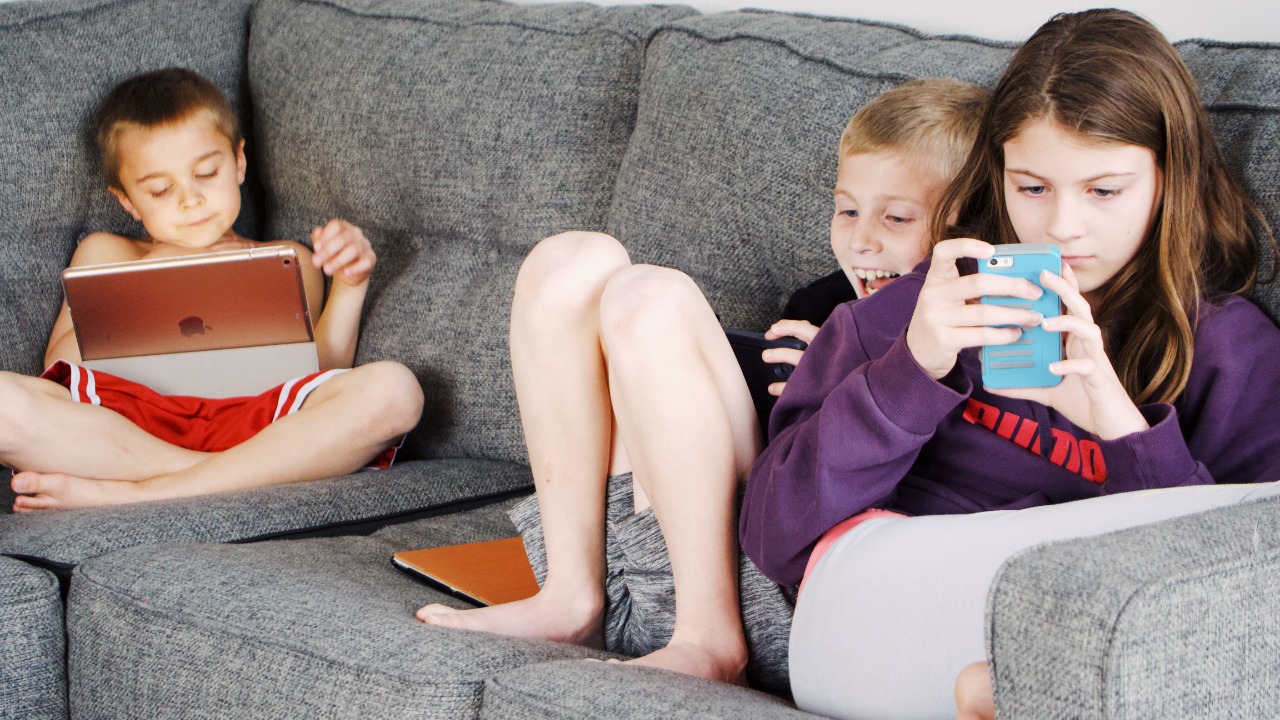

Screen time has become part of everyday childhood. Kids use screens for school, entertainment, social connection, games, videos, messaging, learning apps, and sometimes just to relax after a long day. For many families, screens are no longer an occasional activity. They are always nearby.
But new research continues to raise an important concern: when daily screen time gets too high, especially around four hours or more per day, children and teenagers appear to face a much greater risk of depression symptoms.
This does not mean every child who uses a phone, tablet, computer, or gaming console for several hours will become depressed. It also does not mean screens are automatically harmful. Screens can help children learn, create, communicate, and stay connected. The real issue is what starts to happen when screen use becomes heavy, unbalanced, and begins replacing sleep, movement, real-life friendships, family time, outdoor play, and emotional rest.
According to data from the CDC’s National Center for Health Statistics, teenagers who had four or more hours of daily screen time were more likely to report recent depression symptoms than teenagers with less than four hours of screen time. The reported difference was striking: 25.9% compared with 9.5%.
That is why parents, teachers, and health professionals are paying closer attention. The question is no longer simply, “How much screen time is too much?” A better question is, “What is screen time replacing in a child’s life?”
Why Four Hours Matters
Four hours can sound normal in today’s digital world. A child may spend time on a school laptop, watch videos, play games, scroll social media, message friends, and then relax with more entertainment at night. By the end of the day, those minutes quietly add up.
The concern is that four or more hours of non-school screen time can become a lifestyle pattern. It may reduce physical activity, delay bedtime, increase exposure to social comparison, interrupt homework focus, and make it harder for children to regulate emotions. A CDC-published study examined high daily non-school screen time, defined as four or more hours per day, and its association with several health outcomes, including sleep, activity, weight, mental health, and perceived support.
This matters because depression in children and teens is rarely caused by one single factor. It often develops from a mix of sleep problems, stress, loneliness, low self-esteem, family pressure, academic strain, social media comparison, bullying, lack of movement, and emotional overwhelm. Heavy screen use can interact with many of these factors at the same time.
A 2024 study published on PubMed Central found that adolescents using screens for four to six hours per day had a 35% higher increase in depression symptoms compared with those meeting screen-time recommendations, while those using screens for more than six hours had an 88% increase.
That does not prove screens alone are the cause. It does suggest that heavy screen use is a warning sign parents should take seriously.
The Link Between Screen Time and Depression Is Real, But It Is Complicated
It is tempting to say, “Screens cause depression.” But the science is more careful than that. Research shows a strong association between screen time and depressive symptoms, but the relationship can work in different directions.
For some children, excessive screen use may contribute to depression by disrupting sleep, reducing exercise, increasing social comparison, or exposing them to negative online content. For others, depression may come first. A child who already feels lonely, anxious, sad, or disconnected may turn to screens as an escape. In that case, heavy screen time may be a symptom as much as a cause.
A meta-analysis of cohort studies concluded that screen time can predict depressive symptoms, but the effects may vary depending on age, gender, location, and the amount of screen use.
This is important for parents because the goal should not be panic. The goal should be attention. A child spending four or more hours a day on screens may not need punishment. They may need structure, support, sleep, connection, and healthier daily rhythms.
What Heavy Screen Time Can Replace
One of the biggest problems with excessive screen time is not only what children are doing online. It is what they are no longer doing offline.
When screens take over the day, kids may move less. Physical activity is strongly connected to mental health, mood regulation, energy, and sleep quality. A child who spends most free time sitting with a device may miss out on the natural emotional benefits of walking, sports, outdoor play, dancing, biking, or simply being active.
Sleep is another major issue. Screens can delay bedtime, keep the brain stimulated, and make it harder to wind down. Late-night scrolling or gaming can push sleep later and reduce sleep quality. The American Academy of Child and Adolescent Psychiatry recommends turning off screens and removing them from bedrooms 30 to 60 minutes before bedtime.
Social time can also suffer. Online interaction is not always bad, but it is not the same as face-to-face connection. Children still need real conversations, eye contact, shared play, family meals, friendship, and a sense of belonging outside digital spaces.
This is where screen time becomes more than a number. A child may use screens for three hours and still have a healthy routine if they sleep well, exercise, study, talk with family, and enjoy offline hobbies. Another child may use screens for four hours and show signs of withdrawal, irritability, poor sleep, falling grades, or sadness. The pattern matters.
Social Media Can Intensify the Risk
Not all screen time affects children the same way. Watching an educational video, video-calling a grandparent, coding a game, or making digital art is different from endless scrolling, cyberbullying, comparison-based social media, or late-night short-form video loops.
Social media can be especially difficult for teens because adolescence is already a sensitive stage for identity, belonging, body image, and peer approval. A teen who constantly sees filtered beauty, perfect lifestyles, popularity contests, and viral trends may begin to feel inadequate. Even when they know posts are edited, the emotional impact can still be real.
A study published in JAMA Pediatrics found that different types of screen use, including social media and television, were associated with depression symptoms in adolescence.
This does not mean every teenager should be banned from social media. It means parents should talk about what their child is seeing, how it makes them feel, who they follow, and whether online time leaves them feeling better or worse.
A good question for parents is not only, “How long were you online?” It is also, “How did you feel after using it?”
Warning Signs Parents Should Not Ignore
Screen time becomes more concerning when it comes with emotional or behavioral changes. A child may start sleeping poorly, losing interest in hobbies, avoiding family, becoming more irritable, struggling at school, crying more often, or spending more time alone.
Some children may become defensive or angry when asked to stop using a device. Others may seem emotionally flat, tired, distracted, or disconnected. Parents may also notice that their child no longer enjoys things they used to love.
These signs do not automatically mean a child is depressed, but they should not be ignored. Depression in kids can look different from depression in adults. It may appear as anger, boredom, low motivation, physical complaints, isolation, or sudden changes in school performance.
If a child talks about hopelessness, self-harm, feeling worthless, or not wanting to live, parents should seek professional help immediately. Screen-time changes can support mental health, but serious depression needs proper care from a qualified mental health professional. Parents can also review general youth mental health information from trusted sources such as the National Institute of Mental Health.
Parents Should Focus on Balance, Not Shame
Many parents feel guilty about screen time. They may worry that they allowed too much device use, especially during busy workdays, illness, travel, or stressful family periods. But guilt does not help children. A calmer and more effective approach is to rebuild balance step by step.
The American Academy of Pediatrics has moved away from treating screen time as only a strict number. Its guidance emphasizes healthier digital habits, screen-free family time, phone-free zones during meals and bedtime, and making sure screens do not replace sleep, movement, reading, homework, play, and family connection.
That is a practical message. Families do not need to become anti-technology. They need to become more intentional.
Parents can begin by looking at the daily routine. Is the child sleeping enough? Are they active? Do they have offline friends and hobbies? Are devices used in bedrooms late at night? Is screen use mostly passive scrolling, or does it include learning and creativity? Are family meals screen-free? Does the child become calmer or more upset after using screens?
These questions help parents understand the real health impact of screen time.
A Healthier Way to Reduce Screen Time
The best way to reduce screen time is not usually a sudden ban. Sudden bans can lead to conflict, secrecy, and power struggles. A healthier approach is to create a family plan that feels clear, fair, and consistent.
Parents can start by protecting the most important parts of the day. Sleep should come first. Devices should be out of bedrooms at night when possible. The hour before bed should be calmer, with less stimulation. Family meals should be screen-free. Homework time should not include background scrolling or constant notifications.
The next step is replacing screen time with something real. Children need alternatives. If screens are removed but nothing meaningful replaces them, boredom will pull them back. Sports, art, music, cooking, pets, outdoor time, reading, board games, volunteering, and family activities can all help restore balance.
Parents should also model the behavior they want to see. If adults are constantly checking phones during meals, conversations, and bedtime, children will notice. A family screen plan works better when everyone participates.
The Bottom Line
Four or more hours of daily screen time should be treated as a signal, not a sentence. It does not mean a child is doomed to depression. It does mean parents should pause and look closely at the child’s sleep, mood, movement, friendships, school life, and emotional health.
The strongest message from the research is not that every screen is dangerous. The message is that heavy, unbalanced screen use can be connected to far higher depression risk, especially when it replaces the basic things children need to feel well.
Kids need sleep. They need movement. They need real connection. They need hobbies, sunlight, boredom, creativity, and time away from constant digital stimulation. Screens can still have a place, but they should not become the center of childhood.
For parents, the goal is not perfection. The goal is awareness. When screen time crosses four hours a day, it may be time to reset the routine, open a conversation, and help children build a healthier relationship with technology before emotional problems become harder to manage.