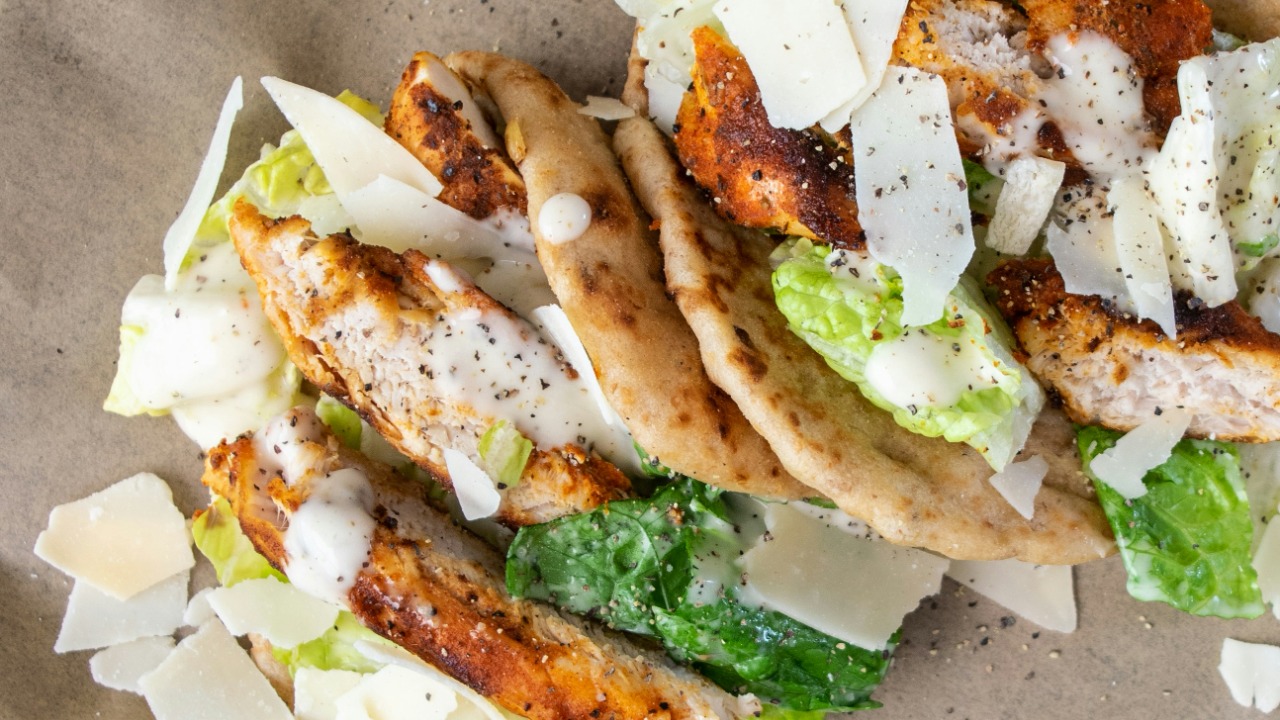

Ready-to-eat meals are supposed to make life easier. A chicken Caesar wrap from a convenience store can feel like a quick, simple choice when someone is working late, traveling, running errands, or trying to grab lunch without waiting for a full meal.
But a recent food safety alert shows why even packaged, ready-to-eat foods deserve attention. The U.S. Department of Agriculture’s Food Safety and Inspection Service issued a public health alert for certain ready-to-eat chicken Caesar wraps because they may be contaminated with Listeria monocytogenes, a bacteria that can cause serious illness in some people.
According to the official USDA Food Safety and Inspection Service alert, the alert involved ready-to-eat chicken Caesar wrap products made by Taher, Inc. The agency said a recall was not requested because the products were no longer available for purchase, but the concern remained that some consumers could still have the wraps in their refrigerators.
That detail matters. Even when a product is no longer on store shelves, it can still pose a risk if someone bought it earlier and kept it at home. With ready-to-eat foods, people may assume the product is safe because it does not need cooking. But when a possible Listeria contamination is involved, the safest step is to check the product details and avoid eating anything that matches the alert.
What Product Was Involved
The alert covered 8.7-ounce clear plastic wrapped packages of “FRESH SEASONS Kitchen Chicken Caesar Wrap.” The affected wraps had “Sell By: 6/24/2026” printed on the back label and bore establishment number “P-45091” inside the USDA mark of inspection.
The products were produced on June 16, 2026, and were sold at Holiday convenience stores in Minnesota and Wisconsin, according to coverage from Fox Business.
The public health alert was issued after routine testing found Listeria monocytogenes in a sample of the product. At the time of the alert, there were no confirmed reports of illness connected to the chicken Caesar wraps.
That does not mean the alert should be ignored. Food safety agencies often act before illnesses are confirmed because waiting for people to get sick can increase the risk to the public. When a ready-to-eat product tests positive for a dangerous pathogen, the advice is simple: do not eat it.
Why Listeria Is a Serious Concern
Listeria monocytogenes is not like every other foodborne bacteria. One reason it gets special attention is that it can survive and grow at refrigerator temperatures. That makes it especially concerning for deli meats, soft cheeses, prepared salads, refrigerated meals, and ready-to-eat foods that are stored cold and eaten without additional cooking.
The Centers for Disease Control and Prevention explains that Listeria infection, called listeriosis, can be especially dangerous for pregnant people, newborns, adults aged 65 and older, and people with weakened immune systems. In these higher-risk groups, infection can become invasive and lead to severe complications.
For many healthy adults, Listeria exposure may cause mild symptoms or no noticeable illness. But for vulnerable people, the same bacteria can lead to hospitalization, pregnancy complications, miscarriage, stillbirth, premature delivery, or life-threatening infection.
That is why food safety alerts involving Listeria often sound more urgent than alerts for some other contamination risks. The number of affected products may be small, but the possible consequences can be serious.
Why Ready-to-Eat Foods Need Extra Caution
Ready-to-eat foods are convenient because they require no cooking before consumption. That is also why contamination can be risky. If raw chicken were contaminated, proper cooking could kill harmful bacteria. But a ready-to-eat chicken Caesar wrap is meant to be eaten straight from the package.
This leaves consumers with fewer safety steps at home. They can refrigerate the product, check the date, and follow storage instructions, but they are not usually heating it to a temperature that would kill pathogens.
The USDA’s food safety guidance reminds consumers that safe food handling includes proper refrigeration, avoiding cross-contamination, and following recall or public health alert instructions. When an agency warns that a ready-to-eat item may be contaminated, the safest choice is not to taste it, smell it, or try to judge it by appearance.
Listeria cannot be reliably detected by sight, smell, or taste. A wrap can look fresh and still be unsafe.
What Consumers Should Do
Anyone who bought the affected Fresh Seasons Kitchen Chicken Caesar Wrap should check the package carefully. The important details are the product name, package size, sell-by date, and establishment number. If the wrap matches the alert, it should not be eaten.
Consumers should throw the product away or return it to the place of purchase if possible. They should also clean any refrigerator shelves, containers, counters, or surfaces that may have touched the product or its juices.
This cleaning step is especially important with Listeria because it can survive in cold environments and spread to other foods. If a contaminated package leaks or touches other ready-to-eat items, the bacteria may move onto surfaces or nearby foods.
The CDC’s Listeria prevention page recommends cleaning refrigerators, containers, and surfaces that may have touched recalled foods. It also advises washing hands, utensils, and cutting boards after handling potentially contaminated products.
For most people, throwing away the product may feel like enough. But with Listeria, cleaning the surrounding area adds another layer of protection.
Symptoms to Watch For
Symptoms of listeriosis can vary depending on the person and the severity of the infection. Some people may experience fever, muscle aches, nausea, vomiting, or diarrhea. In more serious cases, symptoms can include headache, stiff neck, confusion, loss of balance, or convulsions.
One reason Listeria is tricky is that symptoms may not appear right away. According to the CDC, symptoms of invasive listeriosis usually begin within two weeks after eating contaminated food, but they can start as soon as the same day or as late as 10 weeks after exposure.
That long window can make it harder for people to connect their illness to a specific food. It also explains why health officials take early alerts seriously, even before confirmed illnesses appear.
Anyone who ate the affected wrap and develops symptoms should contact a healthcare provider, especially if they are pregnant, older, immunocompromised, or caring for someone in a high-risk group.
Why This Alert Matters Even If the Sell-By Date Has Passed
Some people may assume the risk is gone because the sell-by date has already passed. But food safety alerts are not only about what is currently being sold. They are also about what may still be sitting in refrigerators, office break rooms, travel coolers, or convenience-store purchases that people forgot about.
Packaged ready-to-eat foods are often bought for later. Someone may buy a wrap, place it in a fridge at work or home, and eat it a day or two after purchase. Others may not notice the sell-by date if the package still looks normal.
That is why the USDA issued a public health alert even though a formal recall was not requested. The agency wanted consumers to check their refrigerators and avoid eating the product if they still had it.
The difference between a recall and a public health alert can confuse shoppers. In this case, the product was reportedly no longer available for purchase, so a recall was not requested. But the safety message was still clear: consumers who have the affected product should not eat it.
The Bigger Issue With Convenience Foods
This alert also highlights a larger food safety concern. Many people rely on ready-to-eat meals because they are fast, affordable, and available in places where fresh meals may not be practical. Wraps, sandwiches, salads, deli items, and refrigerated meal kits are now part of everyday eating.
These products can be safe and convenient, but they require strong food safety controls during production, storage, transportation, and retail handling. A small problem at any stage can matter because consumers often eat the product without cooking it.
For manufacturers and retailers, this means routine testing, temperature control, sanitation, and quick response systems are critical. For shoppers, it means paying attention to recall notices, public health alerts, expiration dates, package condition, and storage instructions.
Food safety is not about panic. It is about reducing risk before someone gets sick.
How to Stay Updated on Food Recalls and Alerts
Consumers who regularly buy ready-to-eat foods can protect themselves by checking official sources for food recalls and public health alerts. The USDA FSIS recalls and public health alerts page lists alerts involving meat, poultry, and egg products. The FDA recalls page covers many other foods, supplements, drugs, medical products, cosmetics, and more.
Following official sources is important because social media posts can be incomplete, exaggerated, or outdated. A short viral post may say a product was “recalled,” but the official notice may explain that it was a public health alert, that only certain package sizes were affected, or that the product was sold only in specific states.
In this case, the affected product details matter. It was not every chicken Caesar wrap everywhere. It was a specific Fresh Seasons Kitchen product with specific labeling information and a specific sell-by date.
The Bottom Line
The ready-to-eat chicken Caesar wrap alert is a reminder that convenience foods can still carry serious food safety risks. The product involved was the 8.7-ounce Fresh Seasons Kitchen Chicken Caesar Wrap with a sell-by date of June 24, 2026, and establishment number P-45091.
The USDA’s Food Safety and Inspection Service issued the public health alert because the product may have been contaminated with Listeria monocytogenes. A recall was not requested because the wraps were no longer available for purchase, but consumers who may still have them were warned not to eat them.
For shoppers, the message is simple. Check your refrigerator, compare the package details, and throw away or return the product if it matches the alert. Clean any surfaces it may have touched, and watch for symptoms if you already ate it.
Most food alerts do not need to cause panic, but they do need action. With Listeria, especially in ready-to-eat foods, it is better to be careful early than sorry later.