
More than 25 million spray products were pulled from the market after independent testing and company reviews found benzene, a cancer-linked chemical, in several sunscreen and personal-care products. The sunscreen recalls became one of the biggest consumer-safety stories in recent sun-care history because the affected products included popular aerosol brands used by families, beachgoers, athletes, and outdoor workers.
The chemical at the center of the concern is benzene. It is not supposed to be an ingredient in sunscreen. When it appeared in testing, regulators, companies, dermatologists, and consumer advocates had to answer a difficult question: how could a known human carcinogen show up in products people spray onto their skin during hot summer months?
The issue first gained broad attention after independent laboratory Valisure reported that it had detected benzene in several sunscreen and after-sun products. Valisure’s sunscreen testing announcement said benzene was found in multiple brands and batches, including sprays, gels, and lotions. Later recalls and retail withdrawals showed that the problem was not limited to one product or one company.
Why the 25 Million Figure Matters
The “more than 25 million” figure is striking because it shows how widespread the response became after benzene was detected in consumer products. Consumer Reports later noted that companies recalled more than 25 million products from the market, including Aveeno and Neutrogena aerosol sunscreens and Old Spice spray deodorant, after Valisure’s testing raised concerns.
That number does not mean every sunscreen on the market was contaminated. It also does not mean every recalled product caused cancer. It means enough concern existed around certain batches and product lines that companies removed millions of units to reduce potential exposure.
This distinction is important. The recall was about contamination risk, not about sunscreen as a category being unsafe. Public-health experts still recommend sunscreen because ultraviolet radiation from the sun is a proven cause of skin cancer.
What Is Benzene?
Benzene is a chemical used in industrial processes, gasoline, solvents, plastics, resins, and other manufacturing settings. It can also be found in cigarette smoke, vehicle exhaust, and some environmental pollution. The problem is that benzene is a known human carcinogen, meaning long-term or high-level exposure can increase cancer risk.
The FDA’s benzene contamination guidance explains that long-term exposure to benzene through inhalation, ingestion, or skin absorption can result in cancers such as leukemia and other blood disorders. That is why its presence in consumer products receives serious attention.
Benzene risk depends on amount, route of exposure, duration, age, health status, and how often someone uses the contaminated product. But because sunscreen may be applied repeatedly and sometimes sprayed over large areas of skin, even trace contamination raises concern.
Which Sunscreens Were Recalled?
One of the most prominent recalls came from Johnson & Johnson Consumer Inc., which voluntarily recalled all lots of five Neutrogena and Aveeno aerosol sunscreen product lines. The FDA’s recall notice listed the affected aerosol products as Neutrogena Beach Defense, Neutrogena Cool Dry Sport, Neutrogena Invisible Daily Defense, Neutrogena Ultra Sheer, and Aveeno Protect + Refresh.
Other sunscreen brands later faced their own recall actions. Coppertone recalled select aerosol sunscreen spray products after detecting benzene in certain batches, and Banana Boat recalled batches of Hair & Scalp Sunscreen Spray SPF 30 because of benzene contamination concerns.
The important point for consumers is that recalls are usually batch-specific or product-line-specific. A brand name alone is not enough to know whether a bottle is affected. Lot codes, product names, expiration dates, and recall notices matter.
Why Aerosol Products Drew So Much Attention
Aerosol sunscreens were central to the concern because several recalled products were sprays. Aerosol products often use propellants, and investigators have looked at whether contamination may be related to inactive ingredients, propellants, hydrocarbons, or manufacturing and supply-chain issues.
Sprays also raise an exposure question because they can be inhaled as well as absorbed through skin. A lotion may mainly create skin exposure. A spray can create skin exposure plus breathing exposure, especially if used in enclosed spaces, near the face, or around children.
This does not mean every aerosol sunscreen contains benzene. It means aerosol products became a major focus after several affected products were found in spray form.
Benzene Was Contamination, Not a Sunscreen Ingredient
One of the most important details is that benzene was not intentionally added as a sunscreen ingredient. Sunscreen active ingredients are designed to absorb or block ultraviolet radiation. Benzene does not help protect skin from the sun.
The contamination likely came from manufacturing, raw materials, propellants, or other supply-chain problems rather than from the basic idea of sunscreen itself. That is why experts repeatedly emphasized that people should not stop sun protection altogether.
The FDA’s sunscreen safety page continues to recommend sunscreen as part of a broader sun-protection routine. Sunscreen helps reduce the risk of sunburn, skin cancer, and early skin aging when used correctly.
Why Dermatologists Still Recommend Sunscreen
The benzene recall created understandable fear, but dermatologists warned against the wrong takeaway. The risk of ultraviolet radiation is well established. Too much UV exposure can cause sunburn, premature aging, DNA damage, and skin cancers including melanoma.
The American Academy of Dermatology recommends choosing a broad-spectrum sunscreen with SPF 30 or higher and using it along with shade, protective clothing, hats, and sunglasses. That guidance did not disappear because some products were recalled.
A more balanced message is this: avoid recalled products, choose trusted sunscreen options, and continue protecting skin from UV radiation. Throwing away all sunscreen because some products were contaminated would create a different health risk.
How Consumers Can Check Their Products
Consumers should check product names, lot numbers, expiration dates, and recall notices before using older bottles or cans. If a product is on a recall list, it should not be used. Companies usually provide instructions for disposal, refund, or reimbursement.
The FDA advises consumers not to use recalled sunscreen products. People can search the FDA recall database, check manufacturer websites, or contact customer service if they are unsure whether a product is affected.
Because many people keep sunscreen in beach bags, cars, closets, and bathrooms for more than one season, old cans may still be sitting in homes long after a recall. Checking those products before summer use is a smart step.
Why Storage Conditions Matter
Sunscreen can degrade when exposed to heat, sunlight, or poor storage conditions. Many people leave sunscreen in cars, beach bags, pool decks, garages, or boats where temperatures can become very high. Heat may affect product stability and quality.
The benzene issue may involve contamination rather than ordinary sunscreen breakdown, but storage still matters. Sunscreen should be kept away from excessive heat and direct sunlight when possible. Products that smell unusual, separate, change color, or pass their expiration date should be replaced.
This is especially important for aerosol products because pressure, propellants, and heat can create additional safety concerns.
Why Benzene Recalls Spread Beyond Sunscreen
Benzene contamination has not been limited to sunscreen. In recent years, benzene has also been detected in certain hand sanitizers, aerosol deodorants, dry shampoos, antiperspirants, and acne products. That broader pattern has raised questions about quality control in consumer health and beauty products.
The FDA has warned drug manufacturers about the risk of benzene contamination in certain products and ingredients. Its 2025 manufacturer alert says benzene is a known human carcinogen that can cause leukemia and other blood disorders, and that certain products have been recalled because of contamination.
This broader context matters because it suggests the problem is not only about sunscreen formulas. It may involve supply chains, propellants, raw materials, stability, and testing gaps across multiple product categories.
Why Independent Testing Became Important
Valisure’s testing played a major role in bringing the sunscreen issue to public attention. The lab reported detecting benzene in 78 sunscreen and after-sun care products, then filed a citizen petition asking the FDA to investigate and recall affected products.
Independent testing can be controversial, especially when companies question methods or exposure assumptions. But in this case, several companies and regulators took action after the findings, and millions of products were removed from the market.
The episode showed that outside testing can reveal problems that may not be found quickly through routine oversight. It also raised larger questions about whether consumer health products should face more regular batch-level testing before reaching store shelves.
What Consumers Should Not Do
Consumers should not assume that every sunscreen is unsafe. They should not stop using sun protection entirely. They should not rely only on social media lists that may be outdated or inaccurate. They should not use recalled products just because they appear normal.
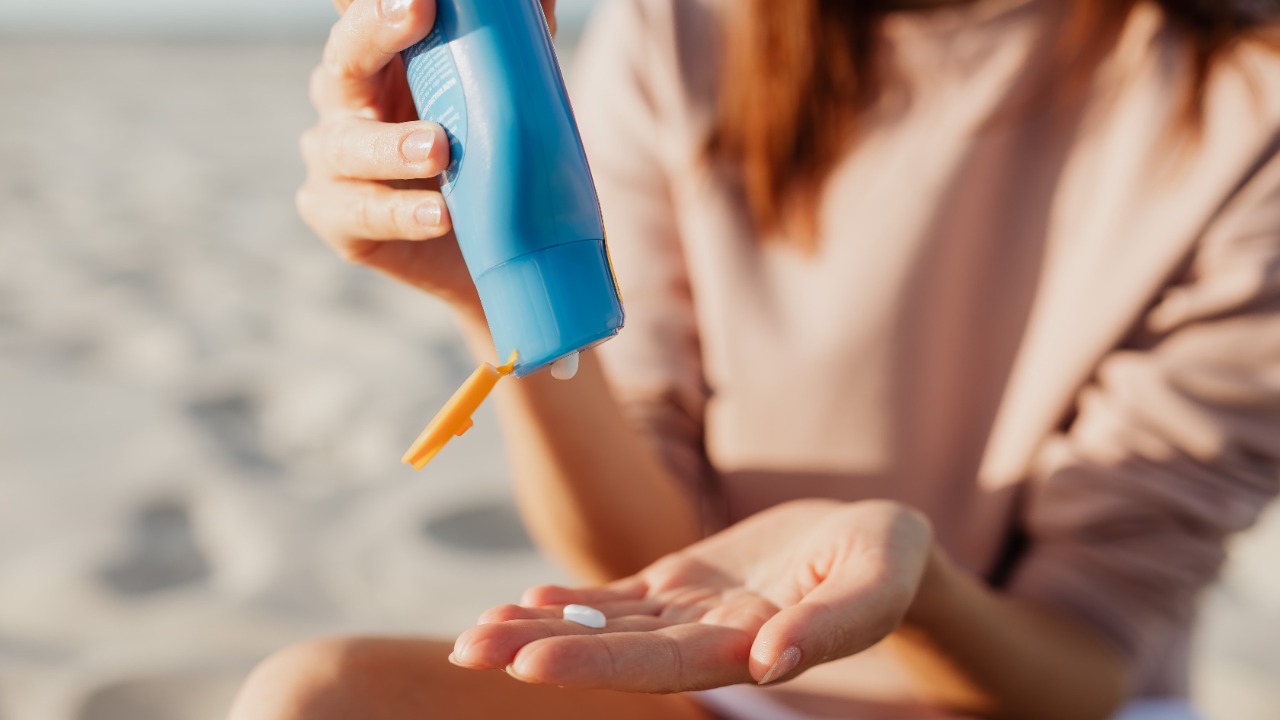
They should also avoid spraying aerosol sunscreen directly on the face. If using a spray product, it is safer to spray into the hands first and then apply to the face, while avoiding inhalation. For children, lotions and sticks may be easier to apply carefully.
People who are especially concerned about aerosol products can choose lotions, creams, sticks, or mineral sunscreens containing zinc oxide or titanium dioxide. The best sunscreen is one that is safe, not recalled, suitable for the user’s skin, and applied correctly.
The Difference Between Hazard and Actual Risk
Benzene is hazardous because it is a known carcinogen. Actual risk depends on exposure level and duration. A one-time use of a recalled product is not the same as repeated long-term exposure to high levels of benzene.
Johnson & Johnson said daily exposure to benzene in the recalled aerosol sunscreen products at the levels detected in internal testing would not be expected to cause adverse health consequences. Still, the company recalled the products out of caution.
This is a common pattern in consumer recalls. A product may not be expected to harm most users immediately, but the presence of an unacceptable contaminant still justifies removing it from shelves.
Why Skin Cancer Prevention Still Comes First
The United States sees millions of cases of skin cancer every year. UV exposure is one of the most preventable risk factors. Sunscreen, shade, hats, long sleeves, sunglasses, and avoiding peak sun are proven ways to reduce exposure.
The recall should make consumers more careful, not less protected. People should choose safer products and avoid recalled batches, but they should still protect their skin.
This is especially important for children, outdoor workers, athletes, beachgoers, people with fair skin, people with a family history of skin cancer, and anyone using medications that increase sun sensitivity.
How to Choose Sunscreen After a Recall
A good sunscreen should be broad-spectrum, SPF 30 or higher, water-resistant if swimming or sweating, and appropriate for the user’s skin type. People with sensitive skin may prefer mineral formulas. People prone to acne may look for non-comedogenic products. Families may choose lotions or sticks for better control during application.
Consumers can also check whether a product has been recently recalled before buying. Major retailers often remove recalled products, but older cans may still be in homes or secondary marketplaces.
The recall does not require people to buy the most expensive sunscreen. It requires them to be aware of product safety, check labels, and avoid affected lots.
What Regulators and Manufacturers Need to Improve
The benzene recall exposed a trust problem. Consumers expect products sold as drugs or personal-care items to be free from known carcinogens. When contamination appears across well-known brands, people naturally question whether testing and oversight are strong enough.
Manufacturers need stronger supplier controls, better raw-material testing, more stability testing, and more transparent recall communication. Regulators need timely public information, clear contamination limits, and enforcement tools that keep unsafe products off shelves.
The issue is not only about one summer or one recall. It is about maintaining confidence in everyday products people use on themselves and their children.
Final Takeaway
More than 25 million spray products were pulled from the market after benzene, a cancer-linked chemical, was detected in several sunscreen and personal-care products. Major recalls included popular Neutrogena and Aveeno aerosol sunscreen lines, along with later recalls involving select Coppertone and Banana Boat products.
The chemical was not an intended sunscreen ingredient. It was a contaminant, likely tied to manufacturing, inactive ingredients, propellants, or supply-chain issues. Because benzene is a known human carcinogen, recalled products should not be used.
The safest message is balanced. Do not use recalled sunscreen, but do not stop protecting your skin from the sun. Check old bottles and cans, follow FDA and manufacturer recall instructions, choose broad-spectrum SPF 30 or higher, and use sunscreen alongside shade, hats, sunglasses, and protective clothing. The recall was serious, but sun protection remains essential.