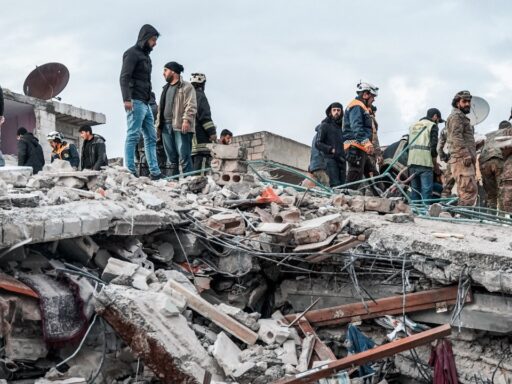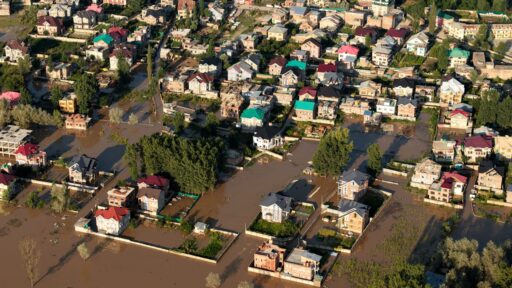
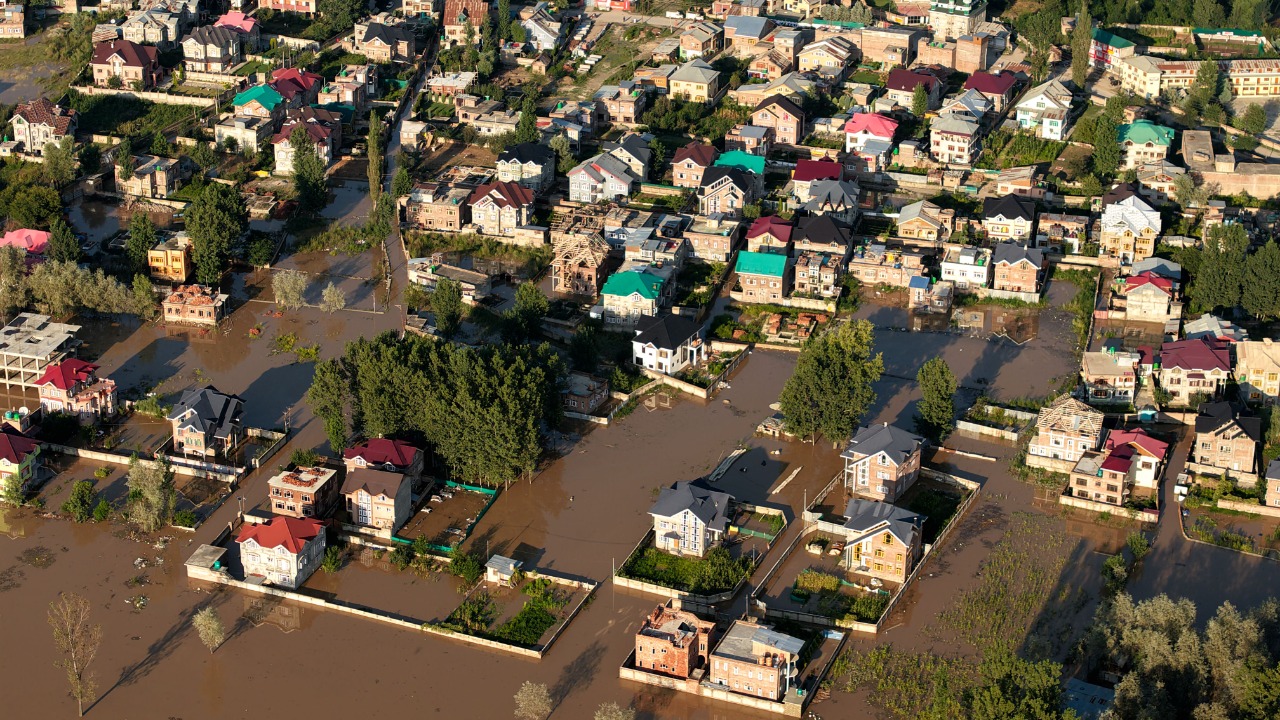

Sudden flash floods in Kentucky turned roads into rivers and neighborhoods into rescue zones, killing at least four people and forcing emergency crews to pull dozens of residents from fast-rising water. The deadly surge, fueled by intense thunderstorms, triggered a statewide emergency response as local officials confronted washed-out infrastructure and communities cut off in a matter of hours.
The disaster has revived painful memories of previous catastrophic flooding in the region and sharpened questions about how prepared Kentucky is for increasingly volatile rain events. It has also shown how quickly routine summer storms can become life threatening when they collide with vulnerable terrain, aging drainage systems, and residents who have little time to react.
How the Kentucky flash floods turned deadly so quickly
The latest flooding unfolded after bands of heavy rain stalled over parts of Kentucky, dumping torrents of water on already saturated ground. In multiple counties, creeks that usually meander behind homes jumped their banks, while roadside ditches turned into churning streams that swept across highways and into low-lying neighborhoods. Local authorities reported that at least four people died as the water rose, a toll confirmed as the governor declared a state of emergency for the affected areas and activated statewide response resources supported by emergency orders.
Rescue teams described a chaotic scene as calls for help poured in from residents trapped in vehicles, mobile homes, and basements. Swift-water crews deployed boats and high-clearance trucks to reach people clinging to trees, rooftops, and guardrails. Dozens were pulled from the water or from homes that had become islands in a matter of minutes. In several locations, responders had to navigate around washed-out culverts and collapsed roadbeds that cut off normal access routes, turning what should have been short drives into complex detours through flooded terrain.
The speed of the flooding left many residents with little warning. In some towns, water that had been ankle deep at dawn was waist high by midmorning. Emergency managers stressed that the victims were not thrill seekers who ignored barricades, but people caught along familiar routes that suddenly became impassable. The pattern echoed other recent flash flood disasters in the region, where rainfall intensity outstripped the capacity of creeks, storm drains, and small bridges long before rivers reached official flood stage.
Officials also had to contend with communications problems as power outages and damaged cell towers disrupted alerts. Some residents reported that they never received warnings, while others said that by the time they heard sirens or saw alerts, the water was already at their doorstep. Those gaps complicated evacuation efforts and are likely to become a focus of post-incident reviews as state and local agencies assess how the response unfolded.
Why this flood disaster carries wider significance for Kentucky
The deaths and rescues in Kentucky did not occur in isolation. They fit into a broader pattern of increasingly intense rainstorms across the eastern United States that have produced deadly flash floods from Appalachia to the Northeast. In earlier events, high-water teams in Kentucky and neighboring states had already gained experience saving stranded motorists and evacuating entire blocks as rainfall totals spiked in just a few hours, as seen when high-water crews were deployed during previous regional floods.
For Kentucky, the latest disaster underscores how vulnerable many communities remain, despite years of recovery spending after earlier floods. In rural counties, homes and trailer parks often sit close to creeks or in hollows that funnel runoff directly toward living spaces. Road networks frequently follow stream valleys, which means that when water rises, both homes and escape routes are at risk. Residents who work night shifts or lack reliable transportation are especially exposed when storms hit outside normal daylight hours.
State officials have acknowledged that climate trends are intensifying the challenge. Warmer air can hold more moisture, which can turn a routine storm into a cloudburst that overwhelms drainage systems. In Kentucky, that reality intersects with older infrastructure designed for a different era. Culverts sized decades ago for moderate flows now face rainfall that arrives in shorter, more violent bursts. When those structures fail, water can tear out entire road sections or redirect into neighborhoods that were never mapped as high-risk zones.
The economic stakes are also significant. Flash floods disrupt coal and manufacturing corridors, damage small-town business districts, and force repeated repairs to roads and utilities. Each new disaster strains local budgets that are still paying for the last one. For families, the impact is personal and immediate: ruined vehicles, contaminated wells, lost wages, and homes that may no longer be insurable. Those costs add up even when the death toll is limited to a handful of victims, and they deepen existing inequalities between communities that can afford to rebuild and those that cannot.
Politically, the state of emergency has put pressure on leaders to show that lessons from past floods are being applied. Residents in hard-hit counties have grown wary of promises that long-term mitigation projects will arrive soon. Each time another storm kills people and forces dozens of rescues, questions grow sharper about whether buyouts, drainage upgrades, and stricter building rules are keeping pace with the risk.
Emergency response, rescue tactics, and limits under pressure
The Kentucky floods once again highlighted both the strengths and limits of modern rescue operations. Within hours of the first reports, local fire departments, sheriff’s offices, and volunteer teams mobilized boats and high-water vehicles. State agencies coordinated mutual aid, and the emergency declaration opened the door to additional equipment and funding. Officials credited that rapid mobilization with preventing a higher death toll, noting that dozens of people were removed from vehicles and flooded homes before conditions deteriorated further, a pattern consistent with earlier intensive rescue efforts in similar events.
Rescuers relied on a mix of tools that have become standard in flood responses. Inflatable boats and jon boats navigated swift currents, while high-water trucks moved through shallower but still dangerous streets to reach people who could not wade out. Helicopters were placed on standby in case ground access became impossible. At the same time, responders had to make hard choices about which calls to prioritize when multiple neighborhoods flooded at once. That triage often meant focusing on elderly residents, people with medical conditions, and those trapped in vehicles where water levels were rising fastest.
Despite the professionalism on display, the event exposed gaps that technology alone cannot fix. Some rural departments lack enough trained swift-water technicians to staff multiple teams around the clock. Volunteer ranks have thinned in many communities, leaving fewer people available for long-duration operations. Equipment is expensive to maintain, and smaller agencies struggle to keep boats, dry suits, and communication gear in top condition between disasters that may be months or years apart.
Communication with the public also remains a challenge. In many places, residents still rely on local radio, word of mouth, or social media posts rather than formal alert systems. When power fails or cell networks falter, those channels can vanish. That reality has renewed calls for more resilient warning tools, such as siren systems, low-tech neighborhood networks, and better coordination with community groups that can check on vulnerable residents before and during storms.
What Kentucky faces next as flood risks keep rising
As the water recedes, Kentucky now faces a familiar but daunting sequence of recovery and adaptation. Damage assessments will determine how much federal and state aid flows to the affected counties, and local leaders will have to decide whether to rebuild in place or push for buyouts in the most exposed areas. For families who lost loved ones, the focus will be on funerals and immediate support, but their grief will also shape public pressure for stronger protections in the months ahead.