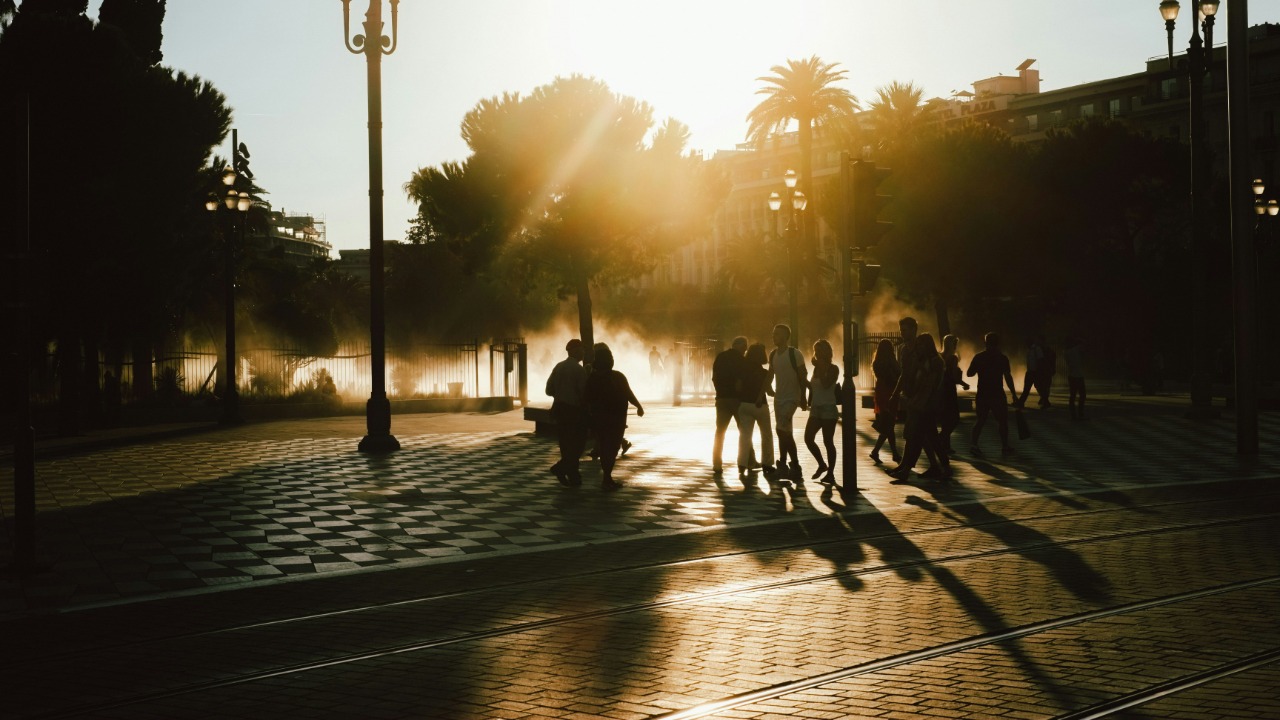

Washington, D.C. has just logged a 102 degree afternoon, snapping a local temperature record that had held since 1872 and turning the capital into a case study in twenty first century heat. The new mark did more than rewrite a line in the climate almanac; it collided with aging infrastructure, uneven access to cooling, and a summer already defined by extreme temperatures across much of the country. For residents, the number on the thermometer translated into strained power demand, dangerous outdoor conditions, and a preview of summers that scientists say are becoming more punishing.
How a 19th century record finally fell in the nation’s capital
The 102 degree reading in Washington, D.C. pushed past a record that had survived for more than 150 years, a period that spans Reconstruction, two world wars, and the entire modern era of air conditioning. That earlier high from 1872 was set long before sprawling suburbs, multilane highways, and modern high rises began trapping heat across the region. Meteorologists point out that the new record came on a day with a potent mix of high sun angle, limited cloud cover, and lingering warmth from a string of already hot afternoons.
Context from elsewhere on the East Coast shows how unusual heat has become a regional theme rather than an isolated fluke. In Boston, forecasters reported that the city reached 100 degrees for the first time since 1944, a milestone that local outlets described as a historic heat event for New England. The comparison matters because Washington, D.C. typically runs warmer than Boston in summer, yet both cities are now brushing up against temperature thresholds that used to be rare in their climate records.
Weather experts who track long term data note that the capital has been edging closer to this kind of record for years. The number of days topping 95 degrees has climbed, overnight lows are warmer than in the past, and heat waves are lasting longer. In that context, the 102 degree spike looks less like an outlier and more like the inevitable breaking point in a warming baseline. The record from 1872 survived as long as it did partly because the late nineteenth and early twentieth centuries included cooler decades, especially before the rapid rise in greenhouse gas concentrations after the mid twentieth century.
Local forecasters also pointed to humidity and heat index values that pushed perceived temperatures even higher. That combination of heat and moisture increases the risk of heat exhaustion and heat stroke, particularly for outdoor workers, unhoused residents, and people with chronic health conditions. The raw number of 102 degrees tells only part of the story, since the human body responds to the combined stress of temperature, humidity, and duration of exposure.
Why a 102 degree day in Washington, D.C. is a warning signal
For a city built on swampy lowlands, hot summers are not new. What has changed is the intensity and frequency of extreme heat events, along with the stakes for a dense metropolitan region that now holds more than six million people in its broader area. Public health specialists describe heat as a silent threat, one that kills more Americans in a typical year than hurricanes, floods, or tornadoes. When the capital hits 102 degrees, emergency departments brace for a rise in heat related illness, especially among older residents and those without reliable access to air conditioning.
Urban planners point to the way Washington’s built environment amplifies the problem. Large expanses of asphalt on highways like Interstate 395 and parking lots around office complexes absorb solar radiation during the day and release it slowly at night. Brick rowhouses, concrete federal buildings, and glass towers all contribute to an urban heat island that can keep city temperatures several degrees higher than outlying rural areas. Neighborhoods with fewer trees and parks tend to be hotter, which often overlaps with communities that have lower incomes and less political clout.
Those patterns mean the new record is not experienced evenly across the city. A shaded block in upper Northwest with mature trees and newer, energy efficient homes feels very different from a treeless corridor in parts of Ward 7 or Ward 8 where residents rely on aging air conditioners and struggle with high electric bills. The 102 degree benchmark underscores that heat is both a meteorological event and an equity issue. Residents who work in construction, food trucks, or delivery services cannot simply stay indoors, yet they are often the least protected.
Infrastructure stress adds another layer of concern. High temperatures increase electricity demand as air conditioners run harder, which can strain transformers and distribution lines. Transit systems that rely on overhead wires and steel rails must contend with heat expansion and the risk of service disruptions. In Washington, the combination of record heat and heavy humidity can also worsen air quality, as higher temperatures accelerate the formation of ground level ozone and interact with vehicle emissions along congested corridors.
Climate scientists see the broken record as consistent with broader warming trends. Global average temperatures have climbed, and the last decade has been the hottest on record in many datasets. That background warming tilts the odds toward more frequent and severe heat waves, making records like the one from 1872 more likely to fall. While individual weather events always involve natural variability, the statistical pattern of rising extremes is difficult to explain without the influence of human driven climate change.
How Washington, D.C. can adapt to a hotter future after the record
The new 102 degree mark gives city leaders and residents a concrete reference point for planning. If a temperature that once seemed extraordinary is now achievable in a typical summer, then policies on housing, transportation, and public health need to adjust. One immediate step involves expanding access to cooling centers in libraries, recreation centers, and schools, with extended hours and clear communication so vulnerable residents know where to go when temperatures spike.
Longer term strategies focus on reshaping the urban fabric to reduce heat retention. Tree planting campaigns can target the hottest neighborhoods first, especially blocks that show up as temperature hotspots in satellite imagery. Converting dark rooftops to reflective or green roofs lowers surface temperatures and can reduce indoor cooling needs. Replacing stretches of conventional asphalt with lighter, more reflective pavement helps lower the ambient temperature on streets where pedestrians and cyclists travel.
Building codes offer another tool. New construction can be required to meet higher standards for insulation, shading, and ventilation so that homes and offices stay cooler with less energy. Incentive programs can help owners of older rowhouses and apartment buildings install efficient air conditioning systems, improve window glazing, and add exterior shading. Those upgrades not only protect residents during heat waves, they also lower peak electricity demand that might otherwise trigger blackouts.
Public agencies in Washington, D.C. can also refine heat emergency plans using the experience from the 102 degree event. That includes coordinating with hospitals and clinics to monitor heat related admissions, adjusting outdoor work schedules for municipal employees, and ensuring that outreach teams check on unhoused residents who may be at extreme risk. Communication strategies that use text alerts, social media, and neighborhood networks can push clear guidance about hydration, cooling options, and warning signs of heat illness.
Regionally, the record in the capital and the 100 degree milestone in Boston suggest that East Coast cities share a common challenge as summers grow hotter. Collaboration on best practices for heat resilient infrastructure, from shaded bus stops to cooled subway stations, can accelerate learning. Data from this year’s heat events will inform climate risk assessments, insurance pricing, and investment decisions for decades to come.
The 102 degree reading will sit in the record books alongside its 1872 predecessor, but its real significance lies in what Washington, D.C. chooses to do next. If the city treats this as a turning point, it can invest in cooler streets, healthier homes, and more resilient systems before even higher numbers appear on the thermometer. If not, the capital and its residents may find that the next record arrives sooner, and with greater consequences, than anyone would prefer.