
Nissan’s long-running experiment with continuously variable transmissions in the Altima has shifted from a quiet engineering bet to a large-scale liability. Reported failures in the sedan’s CVT units are now linked to more than 3 million vehicles, turning a once-mainstream family car into a case study in how drivetrain strategy can backfire.
The scope of the problem now stretches across multiple model years and trims, with growing owner complaints, legal action, and financial pressure on the company. What began as scattered stories of shuddering gearboxes has become a systemic headache that touches Nissan’s balance sheet, its dealers, and millions of drivers.
How Altima’s CVT troubles ballooned into a multi‑million vehicle problem
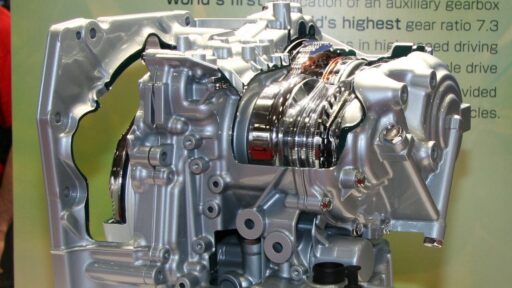
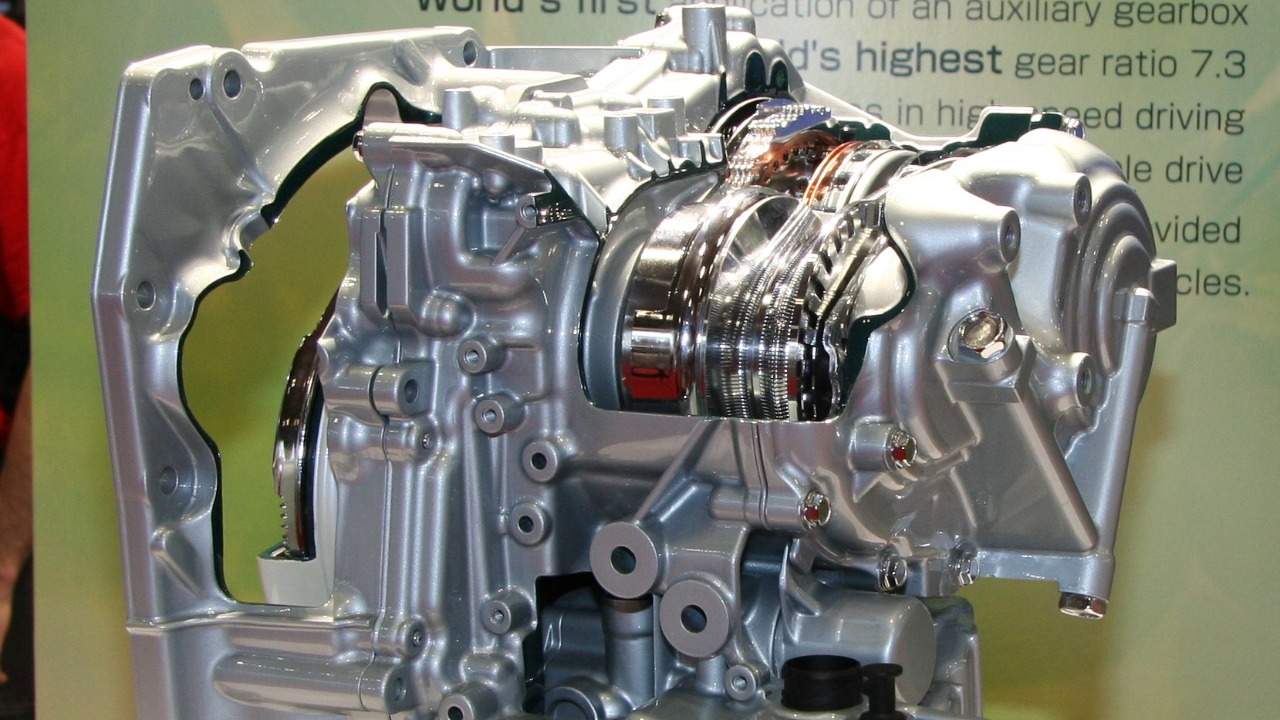
The Altima’s transmission issues center on Nissan’s widespread use of continuously variable transmissions, which replace traditional stepped gears with a belt and pulley system designed to keep the engine in its most efficient range. On paper, the setup promised better fuel economy and smoother acceleration. In practice, many Altima owners have reported shuddering, slipping, delayed engagement, and sudden loss of power that trace back to the CVT.
According to reporting that tallies owner complaints and sales volumes, failures now affect more than 3 million Altimas equipped with these CVT units, spanning a broad range of recent model years. That scale reflects how aggressively Nissan installed CVTs across its sedan lineup, including in high-volume trims that once anchored the company’s U.S. sales. As those cars age, the pattern of similar transmission symptoms has become harder for the company to frame as isolated incidents.
Owners typically describe a similar progression. At first, the car may hesitate when pulling away from a stop or show a subtle vibration at highway speeds. Over time, the hesitation can lengthen into several seconds of delay when the driver presses the accelerator, or the car may suddenly lose the ability to maintain speed on an incline. In the most serious cases, drivers report that the Altima will no longer move under its own power, requiring a tow and a full transmission replacement.
These failures often occur outside the standard powertrain warranty, leaving owners facing repair bills that can climb into the thousands of dollars. For a midpriced sedan that many buyers chose for predictable running costs, a surprise transmission replacement can wipe out years of fuel savings and undercut the car’s resale value. As word of the pattern has spread, used buyers have become more cautious about CVT-equipped Altimas, which further depresses prices for existing owners.
The mounting scale of the issue has also attracted legal scrutiny. Class action lawsuits have argued that Nissan knew or should have known that the CVT design in the Altima was prone to early failure, yet continued to sell the vehicles without adequate disclosure or a long enough warranty. While the outcomes of specific cases vary, the litigation adds pressure on the company to extend coverage or offer goodwill repairs to keep frustrated owners out of court.
Why the Altima’s transmission failures are a front‑burner issue now
The CVT problem has moved from a background annoyance to a central storyline around Nissan just as the company is struggling financially. At its annual meeting, Nissan disclosed a significant first quarter loss, with executives highlighting weak demand and rising costs as key drivers of the red ink. The company’s own summary of that performance described a “staggering” setback, and the financial hit has sharpened questions about how much warranty and goodwill spending it can absorb on troubled models.
That context matters because large-scale transmission failures are expensive to fix. A single replacement CVT in an Altima can cost more than many owners have in savings for car repairs. When those replacements occur inside warranty windows, Nissan absorbs the cost. When they fall just outside, the company faces a different kind of pressure, as angry customers push for exceptions and regulators track complaint trends.
At the same time, the Altima remains a core part of Nissan’s U.S. portfolio. Even as buyers shift toward crossovers, the sedan still represents a major slice of the brand’s installed base on American roads. A reliability cloud over such a central model does not just hurt trade-in values. It also risks pushing longtime Nissan households toward competitors when they shop for their next car, especially if they have already paid for one CVT replacement.
Reporting on the issue has linked more than 3 million affected Altimas to a mix of owner complaints, repair data, and sales figures. That number reflects not only current failures but also the population of vehicles that share the same transmission architecture and are entering the age and mileage bands where problems tend to surface. As those cars continue to rack up miles, the wave of failures is likely to move from early adopters to second and third owners who may be less prepared for a major repair.
The timing is also awkward for Nissan’s broader strategy. The company has been trying to reset its image after earlier quality and governance controversies, while investing in electric vehicles and more advanced driver assistance systems. Transmission problems in a bread-and-butter sedan undercut that effort by reminding buyers of past missteps. They also complicate dealership relationships, since service departments must juggle customer frustration, constrained parts supplies, and the financial realities of warranty reimbursement.
From a safety perspective, the pattern of sudden power loss and hesitation raises obvious concerns, even if many failures occur at low speeds or during gentle acceleration. Drivers who cannot count on their car to respond when merging, crossing traffic, or passing on a two-lane road may avoid those maneuvers altogether, altering their driving habits to work around a mechanical flaw. That erosion of confidence is hard to quantify, but it feeds into the broader perception that the Altima’s transmission is a risk rather than a strength.
What owners, dealers, and Nissan are likely to face next
The immediate question for Altima owners is how Nissan will respond as the number of affected vehicles climbs. In previous situations involving widespread CVT complaints, the company has sometimes extended warranties on specific model years or offered partial reimbursement for past repairs. Given the current financial strain, however, Nissan must balance the cost of broader coverage against the long-term damage to its reputation if it appears indifferent to stranded drivers.
For owners whose cars are still under powertrain warranty, the path is relatively clear. Dealers can diagnose CVT-related symptoms and, if confirmed, replace the unit at no charge. The challenge is more acute for drivers whose Altimas fall just outside coverage. Many of them face difficult decisions about whether to invest in a new transmission, trade the car at a steep discount, or continue driving with intermittent issues that may worsen over time.
Consumer advocates are likely to push for more transparency around failure rates and repair costs. They may also encourage regulators to scrutinize complaint data and warranty trends, especially if reports of sudden power loss grow. In parallel, class action attorneys will continue to seek documents that shed light on what Nissan’s engineers and executives knew about CVT durability when the affected Altimas were designed and sold.
Dealers sit in the middle of these crosscurrents. Service departments benefit financially from repair work, but they also bear the brunt of customer anger when a relatively young car needs a major drivetrain overhaul. Sales teams must explain the history of CVT problems to informed shoppers without scaring them away from the brand entirely. Some stores may lean more heavily on certified pre-owned programs, where extended warranties can blunt buyer anxiety about transmission failures.
For Nissan, the broader strategic question is whether to keep betting heavily on CVTs in future models or to pivot toward alternative technologies. The company has already begun to diversify its powertrain lineup with more conventional automatics and electrified drivetrains in other vehicles. How it handles the Altima’s legacy issues will signal to investors and customers whether it sees the CVT era as a fixable chapter or a cautionary tale.