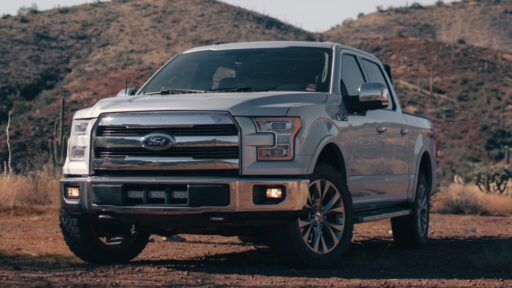
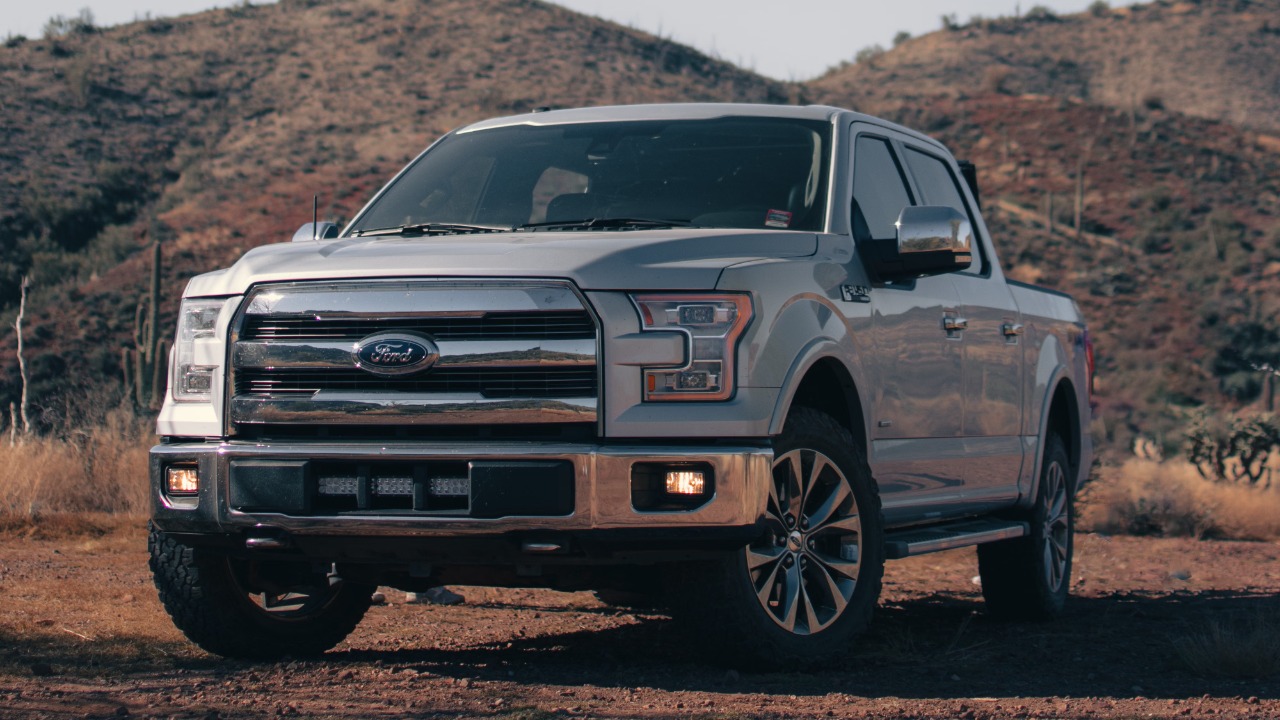

The Ford F-150 has reclaimed the spotlight among full-size pickups after Consumer Reports elevated it to a top-pick recommendation on the strength of sharply improved reliability scores. For a truck that has long dominated sales but not always quality rankings, the shift signals a reset in how testers and owners view Ford’s flagship. The move also reshuffles the pecking order in a fiercely competitive segment where loyalty runs deep but patience for repeated repairs is thin.
How the F-150 turned a reliability weakness into a strength
Consumer Reports has historically scored the Ford F-150 below some rivals on predicted reliability, reflecting owner complaints about electronics, powertrain quirks, and early issues with newer engine options. In the latest testing cycle, however, problem rates show a marked improvement, especially for recent model years that benefit from updated software and refined components. That jump in reliability, combined with consistently high road-test scores, pushed the F-150 into top-pick territory among full-size trucks.
Reliability ratings in Consumer Reports’ system lean heavily on owner survey data that tracks problem areas across categories such as engine, transmission, in-car electronics, and body hardware. For the F-150, the biggest gains appear in powertrain durability and infotainment stability, areas that had dragged down earlier models. Fewer reports of transmission shudder, turbo-related concerns, and glitchy screens helped lift predicted reliability for the current generation, which in turn boosted its overall score among most reliable vehicles.
The improvement also reflects Ford’s incremental hardware updates and over-the-air software fixes. Owners of newer F-150s report smoother integration between driver-assistance features and core systems, with fewer warning lights and sensor errors than in the first years of the platform. This kind of quiet, behind-the-scenes refinement rarely makes marketing headlines, yet it can dramatically change how a truck performs over 50,000 miles of towing, hauling, and daily commuting.
Viewed in that context, Consumer Reports’ top-pick nod is less about a single breakthrough and more about a series of corrections that finally show up in the data. The F-150 still faces scrutiny around complex options such as hybrid drivetrains and advanced driver-assist suites, but the broad trend in owner feedback now points toward solid dependability instead of chronic frustration. For a truck that sells in high volumes to both private owners and fleets, that shift carries significant weight.
Why this reliability upgrade matters to truck buyers right now
Full-size pickups occupy a unique space in the U.S. market. They double as family vehicles, work tools, and long-distance tow rigs, so reliability is not just a convenience, it is a core requirement. When Consumer Reports moves a model like the F-150 into its top tier, it sends a signal to shoppers who may have been leaning toward rivals such as the Chevrolet Silverado 1500 or Toyota Tacoma for peace of mind. In recent comparisons of reliable pickup trucks, the F-150 now competes on durability rather than relying solely on power or features.
The timing matters because buyers are navigating higher prices, longer loan terms, and rapidly evolving technology. Modern trucks pack in large touchscreens, complex driver-assistance systems, and multiple engine choices, which increases the number of potential failure points. A stronger reliability track record helps reassure owners that these features will keep working after the warranty expires. For small businesses that depend on a truck to stay on the road, fewer shop visits can be the difference between profit and loss.
The F-150’s rise in Consumer Reports’ rankings also intersects with a broader conversation about American-built vehicles. In a recent analysis of the top-scoring American-made models, domestic brands that pair strong road manners with solid reliability gain an advantage with buyers who want to support U.S. manufacturing without sacrificing quality. The F-150 sits at the center of that debate, given its long production history in American plants and its outsized role in Ford’s financial health.
For Ford, the reputational impact is significant. Reliability scores influence not only new-vehicle sales but also residual values on the used market. When a truck earns a more favorable rating, lease companies and used-car buyers are more willing to pay a premium, which in turn lowers effective ownership costs for the first buyer. A stronger Consumer Reports recommendation therefore feeds into a positive feedback loop that benefits both Ford and its customers.
The shift also pressures competitors. Models that once leaned on a reliability edge over the F-150 must now differentiate on other fronts such as fuel economy, interior refinement, or off-road capability. That competitive tension often leads to faster product updates and more generous warranty coverage, which can benefit truck owners across brands.
How Consumer Reports’ scoring reshapes the F-150’s place in the market
Consumer Reports blends road-test evaluations, owner satisfaction, safety performance, and predicted reliability into its overall scores. Within that framework, the F-150 has long excelled in towing, braking, and acceleration, yet lagged in predicted problem rates. The latest data closes that gap, which helps explain why the truck now sits near the top of rankings that group it with other high-scoring models.
The road-test component remains a strong point. Testers have praised the F-150’s ride comfort, cabin quietness, and broad engine lineup, from efficient turbocharged V6 options to more powerful configurations suited for heavy towing. With those strengths no longer offset by a reliability penalty, the truck becomes an easier recommendation for buyers who previously favored simpler, less tech-heavy rivals.
Owner satisfaction also plays a role. Surveys show that F-150 drivers value the truck’s balance between work capability and everyday livability, with high marks for seating comfort, visibility, and storage. The latest interior layouts, including large central screens and configurable digital instrument clusters, help the truck feel modern without alienating drivers who prefer physical controls for key functions. As reliability concerns ease, those comfort and usability advantages carry more weight in the overall score.
The F-150’s improved standing aligns with a broader pattern in which several American trucks and SUVs have climbed reliability rankings after early teething problems with new platforms. Manufacturers appear to be learning from initial owner feedback and addressing chronic issues through targeted component changes and software revisions. For shoppers, that means a model that looked risky during its first year on sale can become a safer bet a few years later, once the data reflects those fixes.
Even in a story centered on trucks, the logic behind reliability rankings resonates across product categories. Consumers increasingly rely on third-party testing and user feedback when choosing everything from vehicles to home equipment, whether that involves selecting a pickup or comparing expandable hoses for a backyard project. Independent evaluations help cut through marketing claims and focus attention on real-world performance over time.
What the F-150’s new status signals for future trucks
The F-150’s move into Consumer Reports’ top-pick tier raises expectations for what comes next from Ford and its rivals. Buyers will look for continued reliability gains as trucks add even more complex technology, from advanced driver-assistance features to electrified powertrains. Any backsliding in problem rates will show up quickly in owner surveys, particularly as more drivers become accustomed to tracking long-term dependability before making a purchase.
For Ford, the challenge is to keep improving quality while pushing innovation. The company has invested heavily in connectivity, over-the-air updates, and alternative powertrains that promise better efficiency and performance. Each of those features can enhance ownership if it works as intended, yet each also introduces new potential failure points. The recent improvement in reliability suggests that Ford is learning how to manage that complexity, but sustained progress will require ongoing attention to software integrity and supplier quality.
Competitors are unlikely to stand still. Brands that currently trail the F-150 in Consumer Reports’ reliability metrics will seek to close the gap with their own updates and quality programs. That contest is likely to benefit consumers, who gain access to trucks that are more durable, safer, and more comfortable than earlier generations. As rankings shift, shoppers will have strong options across multiple brands rather than a single default choice.