
Full-size and midsize pickups face a tougher test than almost any other vehicles on the road, and long-term reliability has become the deciding factor for many buyers. A new 2026 ranking of dependable trucks puts the Ford F-150, Chevrolet Silverado and Toyota Tacoma at the top, reflecting how each model has evolved under pressure from heavy towing, harsh job sites and rising ownership costs. The reshuffled order underscores which brands have managed to tame complex powertrains and electronics while keeping repair headaches in check.
For shoppers weighing a new truck purchase or lease over the next year, the findings offer a clearer picture of which nameplates are most likely to run trouble free past the warranty period. They also illustrate how much the segment has shifted toward advanced safety tech, electrification and accessories without sacrificing the durability that built the pickup market in the first place.
How the 2026 reliability ranking elevated F-150, Silverado and Tacoma
The latest ranking of the most dependable pickups for 2026 draws on long-term owner reports, warranty data and comparative road tests that look beyond short test drives. Analysts focus on patterns of powertrain issues, electrical gremlins and premature wear, then weigh those against maintenance costs and real-world usage. Within that framework, the Ford F-150, Chevrolet Silverado and Toyota Tacoma emerged as standouts for combining everyday usability with relatively low incident rates over time, according to recent rankings.
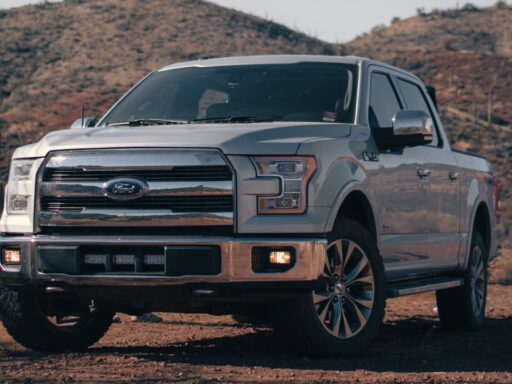
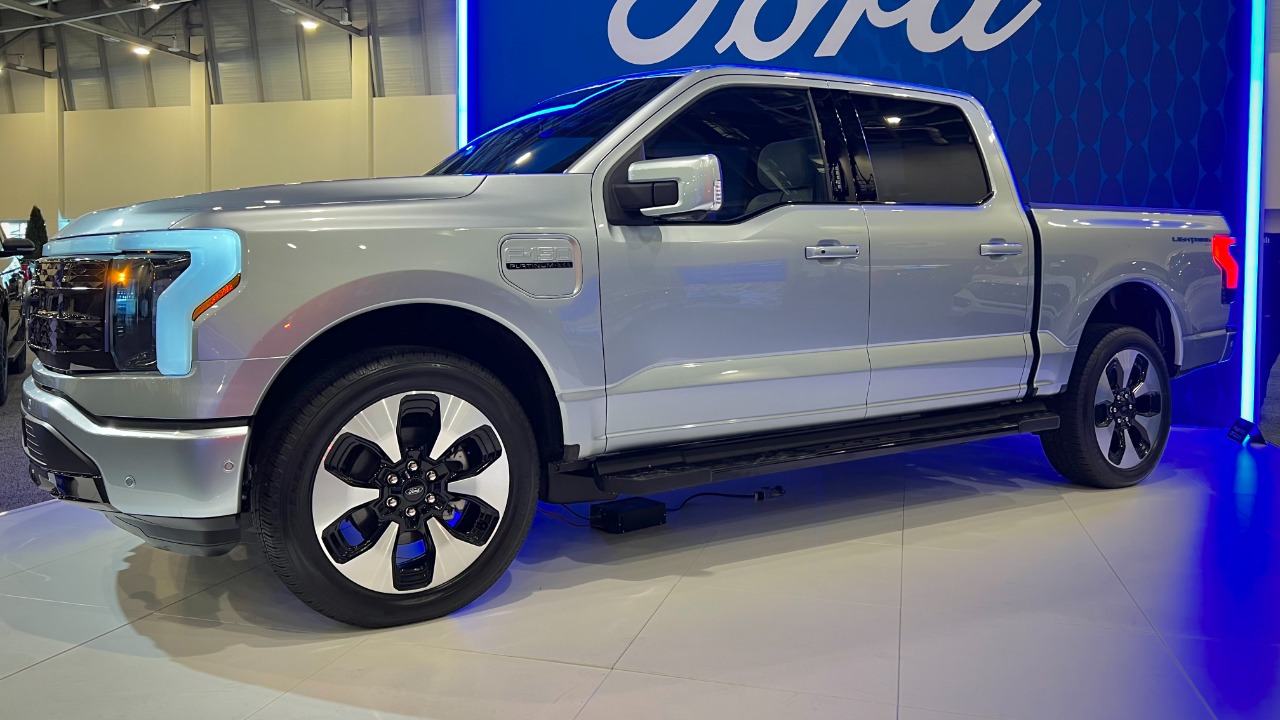
Ford’s F-150 benefits from a broad range of engines and trims, but the models that tend to score best on reliability lean on proven gasoline V6 and V8 options rather than the most experimental setups. Comparative tests that pit the F-150 against the Chevrolet Silverado, GMC Sierra, Ram 1500 and Toyota Tundra show that the Ford often lands near the top not just for towing and payload, but also for cabin quietness and refinement, which correlate with better build quality over time. A detailed comparison test of these core full-size trucks found that the F-150’s mix of ride comfort, powertrain smoothness and feature content helped it stand out in a tightly contested field.
The Chevrolet Silverado’s climb in the reliability hierarchy reflects both incremental mechanical improvements and a focus on more durable interior materials. Long-term truck testers have tracked fewer complaints related to transmission behavior and infotainment glitches on recent Silverado model years, which helps explain its strong showing in lists of the most reliable trucks. Owners who use their trucks for towing campers or hauling construction materials have reported consistent cooling performance and stable braking, two areas where weak designs can quickly erode trust.
The Toyota Tacoma, as a midsize pickup, faces a slightly different brief. It is often used for both commuting and off-road recreation, which puts stress on suspension components and four-wheel-drive hardware. Reliability rankings that include both full-size and midsize models still elevate the Tacoma because of its history of durable powertrains and frames, along with fewer major engine or transmission failures past 100,000 miles. While some rivals chase maximum towing numbers, the Tacoma’s conservative tuning and simpler configurations help keep long-term repair rates lower.
Key updates that shifted reliability perceptions for 2026
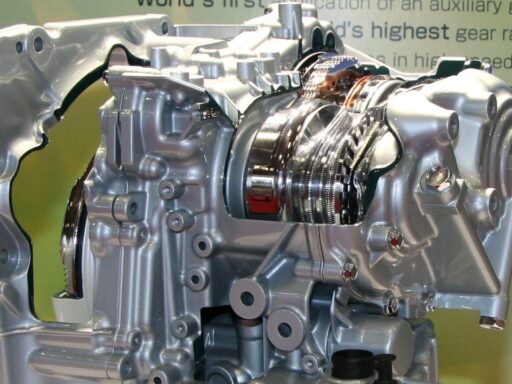
Reliability is not static, and the latest ranking reflects several recent changes in how these trucks are engineered and equipped. Manufacturers have been revising engines, transmissions and software to address known trouble spots, and those updates are now visible in owner feedback. For the F-150, refinements to turbocharged engines and improved thermal management have helped reduce concerns about long-term stress under heavy loads. Updated driver-assistance systems have also become more stable, with fewer reports of false alerts or sensor failures compared with earlier iterations.
Chevrolet’s Silverado has benefited from reworked suspension tuning and upgraded interior electronics. Earlier models drew criticism for brittle interior plastics and glitchy infotainment interfaces, especially in work-truck trims that see hard use. The latest generation incorporates more durable materials and better-sealed switchgear, which is especially important for owners who operate in dusty or wet environments. That attention to detail contributes to the truck’s stronger performance in long-term surveys that track squeaks, rattles and minor failures alongside major mechanical problems.
Toyota’s Tacoma has undergone a more visible transformation, adding modern safety tech, updated powertrains and improved ride quality while trying to preserve the rugged character that built its reputation. Engineers have kept the focus on proven mechanical components where possible, which helps explain why the Tacoma continues to appear in lists of reliable 2026 pickups despite more competition in the midsize segment. Suspension geometry and frame design remain oriented toward durability first, even as the truck adds creature comforts that appeal to daily drivers.
Accessories and aftermarket support also influence how these trucks are used and how they age. Owners who install high quality bed covers often protect cargo and the bed itself from weather and theft, which can extend the useful life of the truck. Testing of tonneau covers has shown that well-designed units can improve usability and even modestly affect fuel economy, especially on highway trips. Trucks with strong aftermarket ecosystems tend to receive better protection and more tailored setups, which can indirectly support reliability by reducing misuse and damage.
Why a reliability-focused truck ranking matters in 2026
Pickup buyers in 2026 face higher purchase prices, more complex technology and a wider spread of powertrain options than at any time in the segment’s history. Against that backdrop, a clear ranking of dependable trucks helps owners avoid costly missteps. Many buyers plan to keep their pickups for a decade or more, often beyond 150,000 miles, and unexpected failures in that window can quickly erase any savings from incentives or discounts. For small businesses that rely on trucks for revenue, a breakdown can also mean lost jobs and missed contracts.
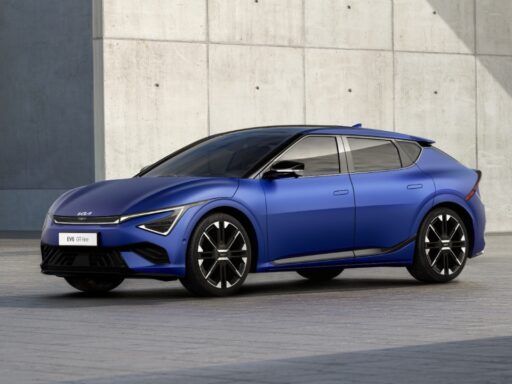
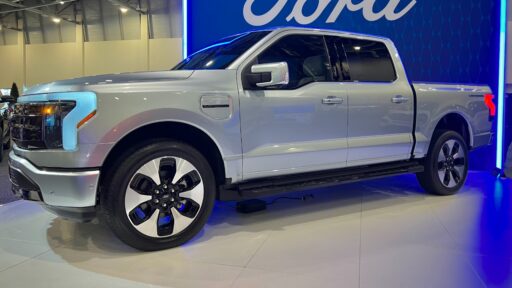
Reliability has also become a key filter for shoppers deciding whether to stick with traditional gasoline engines or move toward hybrids and electric pickups. Some of the most advanced trucks on the market promise lower running costs and strong torque, but they add battery packs, high-voltage systems and complex cooling hardware that can be expensive to repair. Rankings that highlight consistent performance from models like the F-150, Silverado and Tacoma give hesitant buyers a baseline to compare against newer entrants. At the same time, guides to the best green trucks show which hybrid and electric pickups are beginning to build their own reputations for dependability.
Insurance and resale values are also affected by perceived reliability. Trucks that score well in long-term dependability studies tend to hold their value better on the used market, which can significantly lower the total cost of ownership. Fleet buyers and contractors pay close attention to these metrics when planning purchases, since a truck that retains more of its value after several years of service can be cycled out and replaced more efficiently. The strong performance of F-150, Silverado and Tacoma in 2026 rankings reinforces their status as safe bets for both private owners and commercial operators.
What the top-ranked trucks signal about the future of pickups
The fact that long-established nameplates lead the 2026 reliability list does not mean the segment is standing still. Instead, it suggests that the brands with the most experience building trucks are currently managing the transition to more advanced technology with fewer missteps. Ford, Chevrolet and Toyota are integrating features such as sophisticated driver-assistance systems, connected services and, in some trims, electrified powertrains while still meeting the expectations of owners who demand durability.
Future rankings will likely hinge on how well these manufacturers maintain that balance. As more plug-in hybrids and fully electric pickups reach the market, their long-term track records will start to influence buyer confidence. Early data from green truck evaluations already highlight which models deliver consistent range and charging performance in real-world conditions, and those findings will feed back into broader reliability assessments. Trucks that can combine low running costs, strong towing capability and minimal downtime will have a clear edge as fuel and maintenance expenses continue to rise.