
Two powerful earthquakes, measured at magnitudes 7.2 and 7.5, struck Venezuela just seconds apart, shattering homes, roads and power lines across several states. Authorities report more than 230 people dead and thousands injured, with the toll expected to rise as rescue teams reach remote communities. The twin shocks have turned an already fragile country into the epicenter of a fast‑moving humanitarian emergency.
How the twin quakes reshaped Venezuela in a matter of seconds
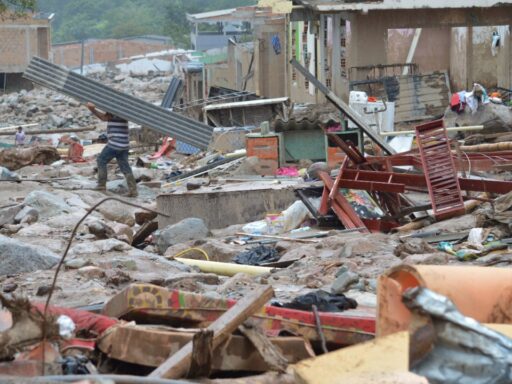
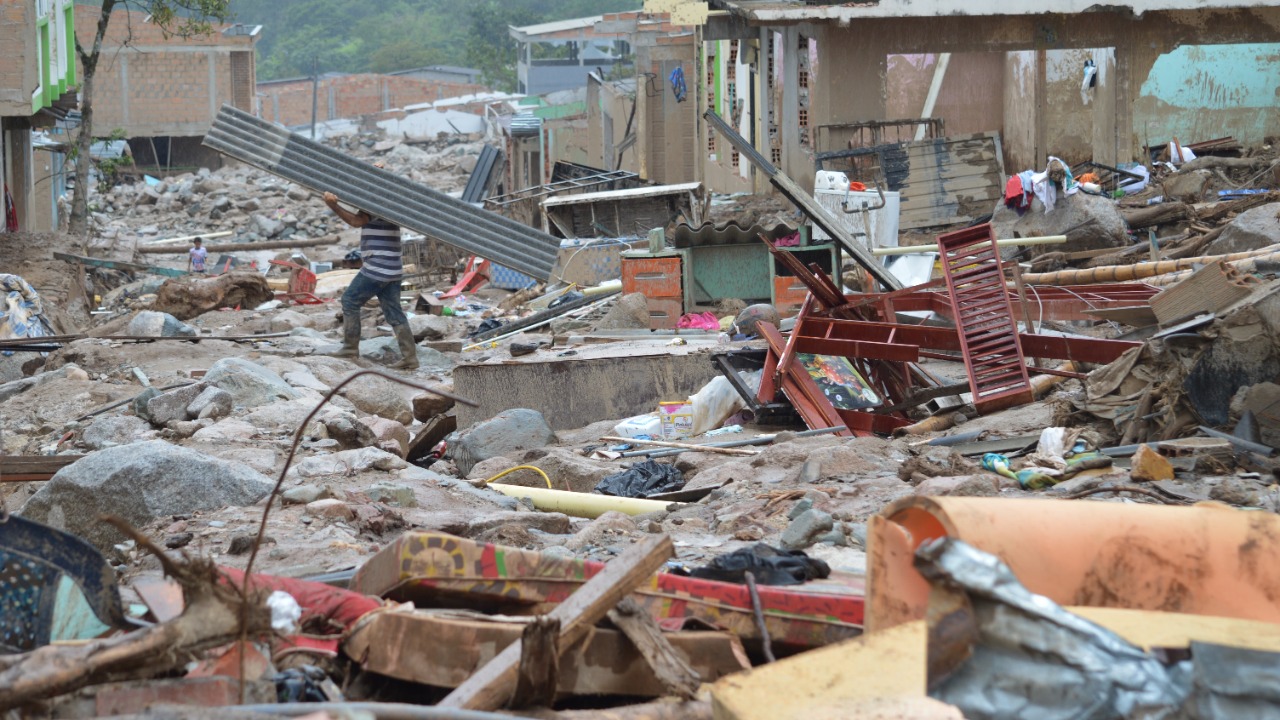
The most immediate change is physical. The 7.2 quake, followed almost immediately by the 7.5 event, hit with enough force to pancake concrete buildings, rupture bridges and trigger landslides that buried entire stretches of highway. In coastal areas, residents described ground motion that felt like a violent rolling wave, followed by a second jolt before they could even reach open spaces.
Initial reports from civil protection officials describe extensive damage in densely populated urban corridors as well as smaller towns that lack modern seismic standards. Apartment blocks collapsed in several neighborhoods, while older single‑story homes crumbled when their unreinforced masonry walls gave way. In some districts, power transformers exploded and water mains snapped, leaving streets flooded and hospitals running on backup generators.
Transport infrastructure has also been transformed, and not for the better. Sections of key highways are blocked by rockfalls and buckled asphalt, slowing the arrival of heavy rescue equipment. At least one major bridge is reported to have partially collapsed, forcing emergency vehicles to take long detours to reach hard‑hit communities. Damage to ports and small regional airports has further complicated logistics for incoming aid.
The human geography of the country is shifting as well. Tens of thousands of people have moved into makeshift camps in schoolyards, stadiums and church courtyards after their homes were declared unsafe. According to early tallies described in one humanitarian update, more than 230 deaths have been confirmed, with hundreds of people still missing beneath rubble or in isolated villages cut off by landslides.
In the hardest‑hit areas, local economies have come to a standstill. Markets are closed, small factories are shut and informal street vendors have lost both inventory and customers. With power cuts and damaged cell towers, many families have gone days without reliable communication, fueling anxiety and long lines outside the few working phone shops and gas stations.
Why the disaster’s timing and scale are especially dangerous now
The earthquakes did not strike a blank slate. Venezuela was already grappling with economic crisis, high inflation and shortages of basic goods. That backdrop now shapes every aspect of the response. Hospitals that were struggling with limited supplies before the disaster are now treating crush injuries, fractures and trauma cases far beyond their normal capacity. Some facilities reported running low on anesthetics and sterile equipment within hours of the first wave of casualties.
The government has declared the worst‑affected regions a national disaster zone, a step that unlocks emergency powers and funding but also highlights how stretched state capacity has become. According to early international reporting that cited official statements, authorities initially confirmed dozens of deaths and then revised the figures upward as rescue teams dug through collapsed structures. One disaster bulletin described at least 32 fatalities in the first count before later updates pushed the total past 230 nationwide.
Timing also matters because the country is in the middle of a broader migration story. Over recent years, millions of Venezuelans have left for neighboring countries, and many of those who remain rely on remittances from abroad. Now, with homes destroyed and local jobs wiped out in a single morning, more families are likely to consider leaving, which could increase pressure on already strained border regions in Colombia, Brazil and the Caribbean.
Inside Venezuela, the quakes have magnified inequality. Wealthier neighborhoods, where buildings are more likely to have some seismic reinforcement, have fared better than informal settlements on hillsides or riverbanks. In those poorer areas, houses built from cinder blocks and corrugated metal have collapsed in clusters, concentrating casualties among residents who already had limited access to healthcare and social protection.
The disaster is also testing trust in institutions. Residents in several cities have complained of slow or uneven distribution of food, tents and medical supplies. Social media videos show people crowding around trucks, hoping to secure bottled water or fuel. In some places, local volunteers and church groups have become the first line of support, organizing soup kitchens and temporary shelters while waiting for official assistance to scale up.
Internationally, the quakes have prompted a rapid response from neighboring states and global aid agencies, but sanctions and political tensions complicate the flow of assistance. Relief groups are weighing how to deliver medical kits, water purification units and shelter materials in a way that reaches those most in need without becoming entangled in domestic political disputes. That delicate balance will shape how quickly the country can move from emergency response to recovery.
What recovery and risk reduction will require after the twin shocks
The immediate priority is still search and rescue. Urban search teams with sniffer dogs and listening equipment are working through collapsed buildings, racing against time as aftershocks continue to rattle already fragile structures. Authorities have warned residents not to reenter damaged homes, although some families have taken the risk to retrieve documents, medicines or savings hidden in walls.
Once the acute rescue phase ends, the focus will shift to shelter and basic services. Emergency planners are already mapping out where to set up larger, more organized camps with proper sanitation, clean water and secure spaces for women and children. Reopening schools will be a key milestone, both for education and as a sign of psychological recovery, but many school buildings themselves need structural assessments before students can return.
Rebuilding housing will be one of the most complex tasks. Engineers and urban planners are urging the government to move beyond simply reconstructing what stood before. They argue for new building codes that account for the country’s seismic risk, along with incentives to retrofit surviving structures. Without that shift, the next major quake could produce similar devastation. The challenge is that safer construction often costs more upfront, which is difficult in an economy already under severe strain.
Infrastructure repair will demand large investments and careful sequencing. Roads must be cleared and bridges stabilized quickly so that aid and construction materials can move, yet long‑term fixes for cracked highways and damaged dams will take months or years. Power plants and transmission lines also need thorough inspections to prevent cascading failures that could trigger extended blackouts in the months ahead.
The disaster has also revived debate about early warning and preparedness. Seismologists have long known that the region sits near complex fault systems, but public drills, building inspections and community awareness campaigns have been sporadic. Many of those who survived did so because they instinctively ran to open spaces or sheltered under sturdy furniture, not because of formal training. Expanding school‑based education on earthquake safety, installing more seismic sensors and improving alert systems could reduce casualties in future events.
Psychological recovery will be slower and harder to measure. Children who watched their homes collapse or lost relatives are at particular risk of long‑term trauma. Local NGOs are calling for mental health support to be integrated into relief efforts, with mobile counseling teams visiting camps and affected neighborhoods. Faith leaders and community organizers are likely to play a central role in helping people process grief and rebuild social ties.
Ultimately, the twin earthquakes have forced Venezuela to confront both its physical vulnerability and its institutional limits. The way authorities manage the next phase, from transparent casualty reporting to fair distribution of aid and inclusive planning for reconstruction, will shape public confidence for years. For a country already under immense pressure, the path from rubble to recovery will require not only concrete and steel, but also a sustained commitment to safety, accountability and the people who have lost almost everything in a matter of seconds.