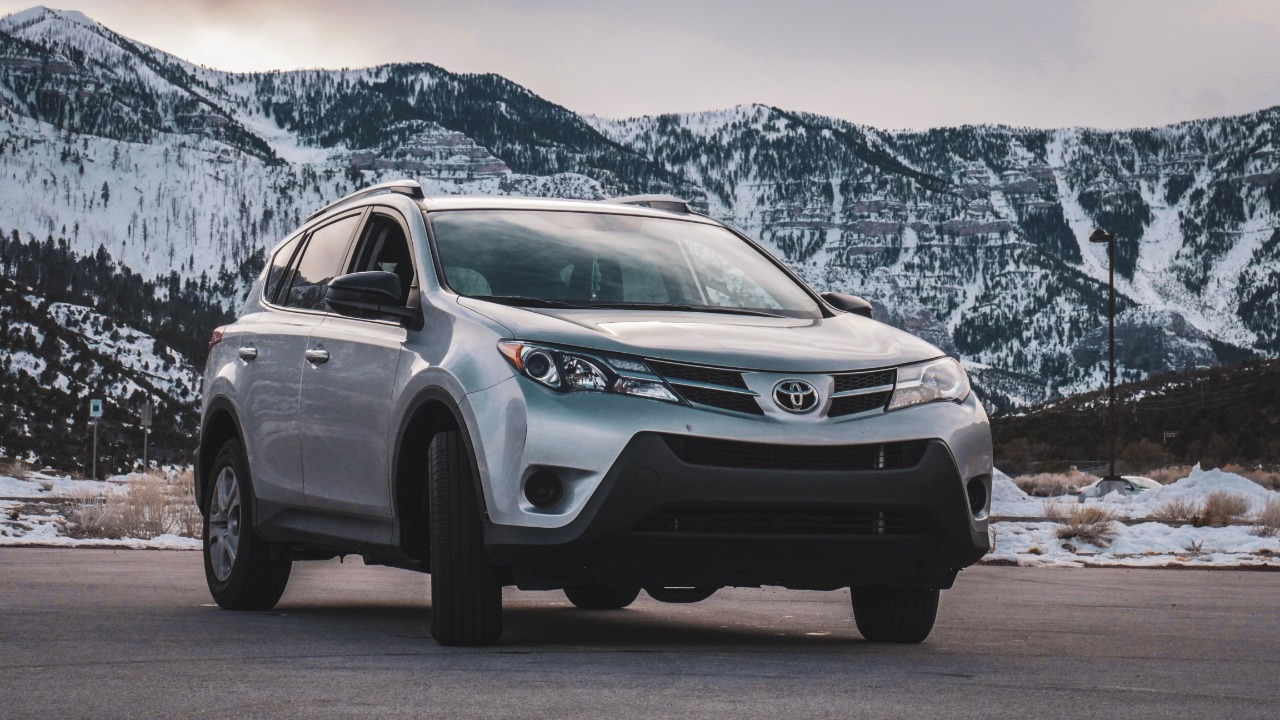

Dependability rarely grabs attention in an SUV market obsessed with giant touchscreens and launch-control modes, yet for buyers planning to keep a vehicle past the first payment cycle, reliability is the real luxury feature. Quietly, a handful of sport-utility models have built records that rival or beat far pricier nameplates, often without the marketing hype that surrounds them. This year, four SUVs from Toyota, Buick, Acura, and Lexus stand out for combining strong reliability data with the kind of everyday usability that keeps owners loyal.
How four low‑drama SUVs rose to the top of dependability rankings
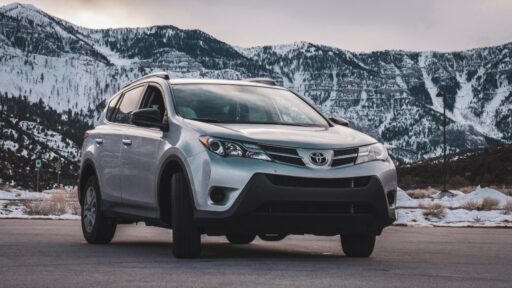
Toyota has long been associated with durability, but recent reporting highlights how the brand has been refining its SUVs rather than reinventing them. The current Toyota Highlander and 4Runner lean on proven powertrains and conservative tuning, which helps explain why Toyota is described as quietly outsmarting more complex German rivals in long-term ownership costs and reliability. Instead of chasing high-output turbo engines and intricate air suspensions, Toyota has focused on incremental improvements to its established V6 and hybrid systems, a strategy reflected in analysis that shows Toyota SUVs aging more gracefully than some premium competitors.
In the midsize segment, data-driven rankings of the most reliable SUVs consistently place models like the Toyota Highlander Hybrid and Lexus RX near the top. Evaluations that blend predicted reliability scores, owner feedback, safety results, and running costs show that these two crossovers, along with a handful of peers, repeatedly outperform newer, flashier entries. One ranking of the most reliable midsize notes that the Highlander and RX pair strong dependability with high safety ratings and solid resale value, cementing their position as default choices for buyers who prioritize low drama over cutting-edge tech.
The surprise story comes from Buick. Once known primarily for sedans, Buick has reshaped its lineup around crossovers such as the Envision and Encore GX. A recent analysis of reliability scores found that one Buick SUV actually edged out Toyota in predicted trouble-free ownership, a result that runs counter to many shoppers’ assumptions. Reporting on how a Buick SUV topped Toyota in reliability rankings points to a combination of simplified engine choices, shared components with proven General Motors platforms, and a focus on comfort rather than high-stress performance tuning.
Acura and Lexus round out the quartet of standouts. Acura’s RDX and MDX have long leaned on Honda engineering, and recent coverage comparing them with the Lexus RX notes that Acura’s latest updates have sharpened driving dynamics without sacrificing the reliability that built the brand’s reputation. An analysis urging shoppers to “forget” the RX and consider Acura rivals points out that the RDX and MDX pair strong predicted reliability with more engaging handling and competitive feature sets, making them compelling alternatives in a segment often dominated by Lexus.
Long-term testing history also matters. Consumer-focused evaluations going back more than a decade show that the Lexus RX has repeatedly been named among the best vehicles to own, based on owner surveys and road tests. A list of the best cars of from earlier in the RX’s life cycle already highlighted its blend of reliability, comfort, and quiet operation. The fact that the RX continues to appear near the top of modern dependability rankings suggests that Lexus has evolved the model without compromising the conservative engineering that made it successful.
Why these under-the-radar reliability leaders matter to SUV shoppers now
The shift in dependability rankings has real financial consequences. As new-vehicle prices and interest rates have climbed, buyers are keeping vehicles longer, which magnifies the cost of unexpected repairs. An SUV that spends fewer days in the shop and holds its value better can save thousands of dollars over a typical ownership cycle. That is where this group of four models stands out: Toyota’s Highlander, Buick’s top-ranked crossover, Acura’s RDX or MDX, and Lexus’s RX are all backed by data that point to fewer mechanical headaches and stronger resale than many competitors at similar price points.
For families, reliability is also a safety and logistics issue. A three-row Highlander that starts every morning and shrugs off high mileage means fewer missed school runs or workdays. The same logic applies to a Buick Envision or Encore GX that quietly racks up miles on long commutes. When a vehicle is central to daily life, the peace of mind that comes from a strong dependability record can be more valuable than an extra inch of screen or a slightly quicker zero-to-60 time.
These models also show that dependability does not have to mean a bare-bones driving experience. The Highlander Hybrid combines strong reliability scores with fuel economy that rivals smaller vehicles, which helps offset higher fuel prices. Acura’s RDX offers a more athletic chassis and advanced driver-assistance features while still drawing on Honda’s proven engine and transmission designs. The Lexus RX continues to focus on quietness and ride comfort, qualities that owners consistently rate highly in satisfaction surveys.
The Buick story is particularly significant for shoppers who might have written off the brand as dated. Reliability data showing a Buick SUV ahead of Toyota challenges long-held assumptions about which badges can be trusted. For buyers who want a premium-feeling interior and a softer ride but do not want to pay German luxury prices or accept the complexity that often comes with them, a Buick crossover with strong dependability scores offers a compelling middle path.
There is also a broader industry signal. The success of these relatively conservative SUVs suggests that restraint can be a competitive advantage. While some brands chase ever more elaborate infotainment systems and highly stressed turbo engines, Toyota, Buick, Acura, and Lexus have found success by refining known hardware and focusing on the basics that matter over ten years of ownership. If sales and owner satisfaction continue to reward that approach, other manufacturers may feel pressure to simplify their own lineups and prioritize long-term durability.
How dependability leaders are likely to evolve over the next few model years
The next phase for these four SUVs will test whether they can maintain their reliability edge while adapting to tightening emissions rules and shifting buyer expectations. Hybridization is the clearest path. Toyota already leans heavily on hybrid systems in the Highlander, and Lexus has expanded hybrid and plug-in options for the RX. As regulators push for lower fleet emissions, it is likely that both brands will continue to refine their electrified powertrains rather than pivot abruptly to unfamiliar technology, which should help preserve their dependability advantage.
Buick, which has signaled a move toward more electrified and eventually fully electric models, faces a delicate balance. The SUV that currently tops reliability charts does so partly because it uses well-understood components. As Buick introduces new platforms and more complex drivetrains, it will need to carry over the lessons that produced its current reliability success. That could mean conservative battery sizing, shared components across models, and a focus on software stability rather than constant feature churn.
Acura and Lexus are likely to continue their quiet arms race in the premium midsize segment. Acura has been pushing for more engaging dynamics and sportier styling, while Lexus has doubled down on refinement and hybrid efficiency. The challenge for both will be integrating more advanced driver-assistance systems and connectivity features without introducing reliability problems. Over-the-air updates, complex sensor suites, and integrated app ecosystems can improve the ownership experience, but they also create new failure points if not executed carefully.
For shoppers, the key takeaway over the next few years will be to watch how these models transition between generations. Historically, reliability scores tend to dip in the first year or two after a major redesign, then recover as issues are addressed. Buyers who prioritize dependability may want to favor late-cycle versions of these SUVs or early examples that use carryover powertrains. Paying attention to updated reliability rankings and owner surveys after each refresh will be essential to see whether Toyota, Buick, Acura, and Lexus successfully maintain their current lead.