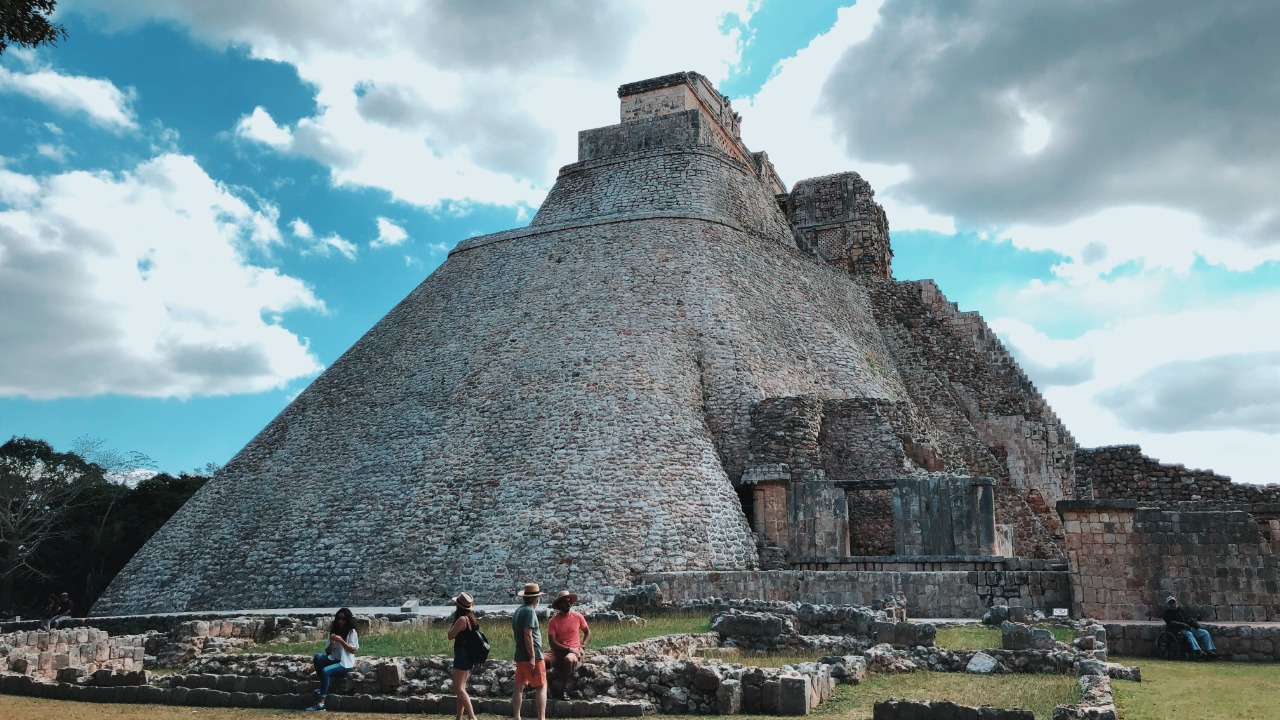

Archaeologists now think the ancient Maya city known as Valeriana may have supported as many as 50,000 residents at its height, before a rapid decline turned its plazas and palaces into silent ruins. That population estimate forces a fresh look at how intensively the Maya engineered their environment and how fragile that achievement became once climate stress and political turmoil converged. The story of Valeriana’s rise and collapse is beginning to reshape how researchers understand urban life in the tropical lowlands and what long-vanished cities can still teach modern planners.
New evidence reshaping the story of Valeriana’s rise and fall
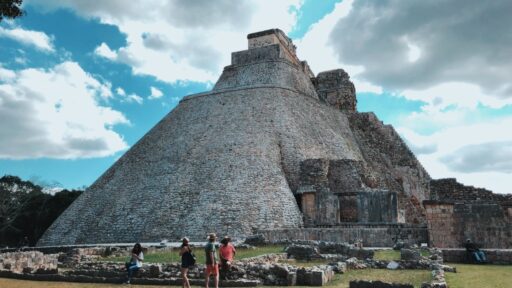
Researchers working at Valeriana describe a dense urban core surrounded by causeways, reservoirs, and terraced fields that together could have sustained a mid-sized premodern city. Excavations and settlement mapping suggest that the built-up area was far larger than early surveys indicated, helping explain how the population could reach roughly 50,000 people at the city’s peak. House platforms cluster along engineered streets and plazas, while ceremonial complexes anchor the political center, a pattern that mirrors other Classic period Maya capitals.
The revised population figure stems from a closer count of residential compounds and a better understanding of how many people typically occupied each household. Archaeologists compare the density of house mounds at Valeriana with better-studied sites, then adjust for local building styles and terrain. Soil cores and botanical remains indicate intensive agriculture around the city, including raised fields and drained swamps that would have boosted food production enough to support tens of thousands of inhabitants.
Evidence from ceramic sequences and carved monuments points to a city that flourished during the Classic Maya era, then experienced a sharp downturn. Construction slows, elite tombs become less elaborate, and imported luxury goods decline, all signs that Valeriana’s political and economic networks were unraveling. Infill construction in once-grand plazas suggests that residents were repurposing ceremonial space for more basic needs as the city’s fortunes faded.
Climatic stress appears in the geological record at roughly the same time. Sediment cores from nearby lakes show shifts in pollen and mineral content that align with periods of intense drought elsewhere in the Maya lowlands. As rain became unreliable, Valeriana’s sophisticated water systems, which had once been a strength, turned into a vulnerability. Reservoirs silted up, and the city’s dependence on managed catchments left little buffer when the climate turned against it.
How a vanished Maya city speaks to present-day concerns
Valeriana matters now because it captures both the ingenuity and the limits of human adaptation in a fragile environment. The city’s engineers reshaped hillsides, redirected runoff, and built storage basins that could bridge long dry spells. That level of planning shows that Classic Maya rulers understood the need to smooth out climatic variability, much as modern cities rely on dams and aquifers. Yet the same archaeological layers that record this ingenuity also document how quickly an urban system can fail when stress outpaces capacity.
Valeriana’s apparent population of around 50,000 residents places it in the range of a modern regional town, such as a contemporary district center in Bangladesh or Guatemala. For comparison, researchers who track modern settlement patterns in places like Rajshahi city point to similar challenges of balancing dense populations with finite water and arable land. The parallel is not exact, but it highlights how questions of urban scale, food security, and environmental risk have persisted across centuries and continents.
The collapse of Valeriana also adds weight to the debate over how much climate alone can explain the wider Maya decline. At this site, drought clearly played a role, yet the archaeological record hints at political fragmentation and shifting trade routes that compounded ecological stress. Elite compounds show signs of hurried fortification and burning, while rural sites nearby seem to have been abandoned even earlier. That pattern supports the view that environmental shocks rarely act in isolation; instead, they expose existing weaknesses in governance and social cohesion.
For modern readers, the most striking lesson may lie in the city’s dependence on a highly engineered but rigid system. Valeriana’s reservoirs and agricultural terraces worked well under expected rainfall patterns, but the system lacked flexibility once drought conditions persisted. Contemporary cities that rely on single sources of water or food imports face a similar risk. The Maya case suggests that redundancy, diversification, and social safety nets can matter as much as technical sophistication when conditions change.
Future research paths and the next chapter for Valeriana
The emerging portrait of Valeriana is still incomplete, and archaeologists see several priorities for the next phase of work. High-resolution mapping, particularly with airborne laser scanning, could reveal outlying neighborhoods, causeways, and agricultural works that remain hidden under forest cover. If such surveys confirm that settlement extended farther than current maps show, the population estimate of 50,000 might prove conservative, or at least more spatially complex than a single number suggests.
Excavations in residential zones are likely to focus on how ordinary families coped with the city’s decline. Middens and household shrines can show whether diets narrowed, whether people shifted to drought-resistant crops, or whether religious practices changed as stress increased. Isotope analysis of human remains may reveal whether migration accelerated in the final generations, with newcomers arriving from more stressed regions or long-term residents leaving for still viable centers.
Researchers also hope to refine the climate timeline that intersects with Valeriana’s history. Additional cores from lakes and wetlands near the site can sharpen the picture of rainfall variability and erosion. When those records are matched against building phases and episodes of burning or abandonment, they can clarify whether particular droughts aligned with political crises or whether social breakdown lagged behind environmental change by a generation or more.
There is also a growing interest in how modern communities around Valeriana relate to the ancient city. Local farmers often cultivate fields on former terraces and still rely on seasonal watercourses that the Maya once managed. Collaborative projects that involve descendant Maya communities can help protect the site while also drawing on traditional ecological knowledge that has persisted despite centuries of disruption. Such partnerships may influence how excavation zones are chosen and how finds are interpreted.
Finally, Valeriana is likely to become a reference point in broader discussions about ancient urban sustainability. Comparative studies that link this city to other Maya centers, as well as to sites in Angkor, Mesopotamia, or the Andes, can test which patterns of growth and collapse repeat across different environments. If similar combinations of dense populations, engineered landscapes, and climate volatility appear again and again, the lessons from one forest-covered ruin will resonate far beyond the Maya lowlands.