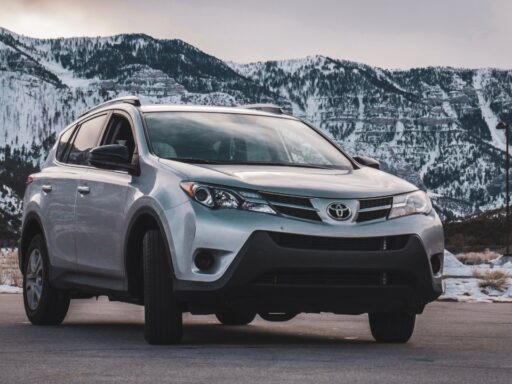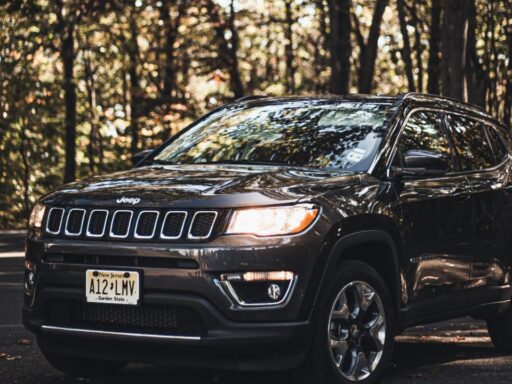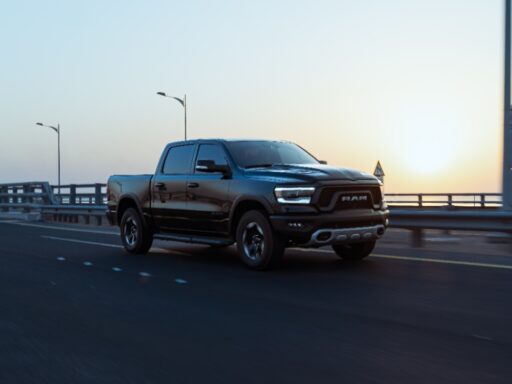
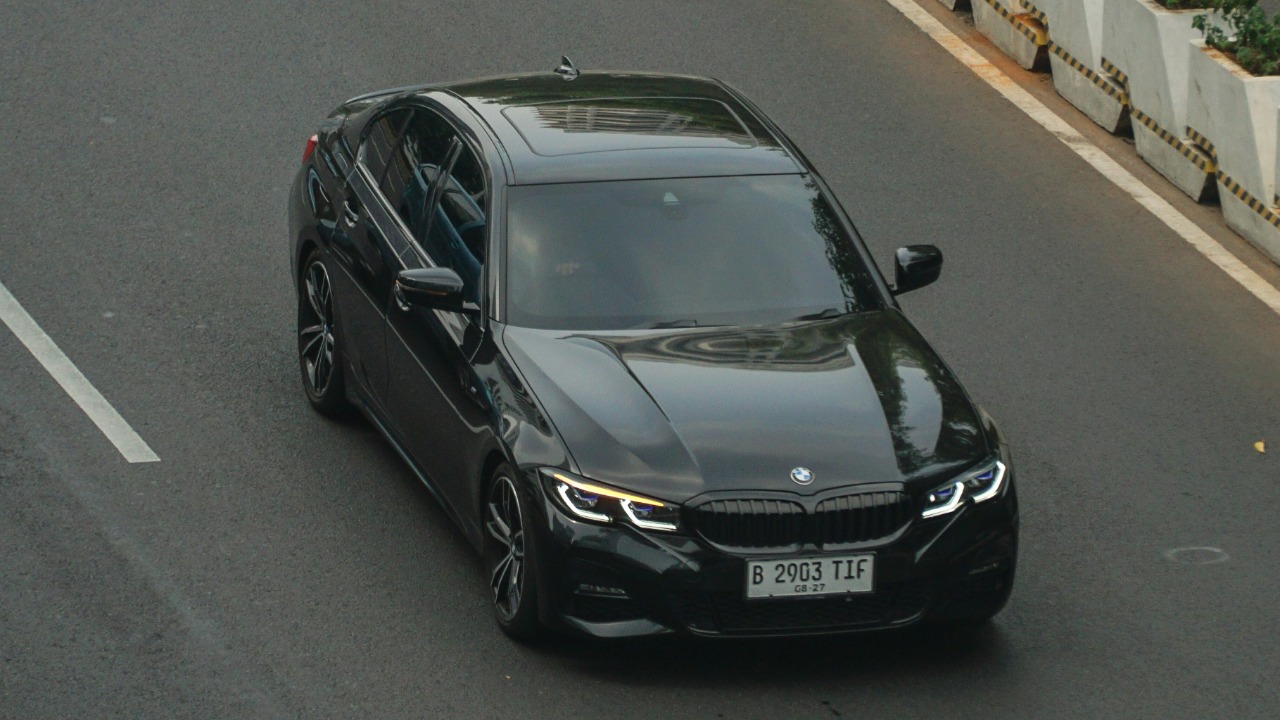

Lists of vehicles most likely to hit 250,000 miles usually read like a love letter to big trucks and family-hauling SUVs. This year, something different happened: seven traditional sedans muscled into a club that has long been dominated by body-on-frame workhorses. Their presence signals a quiet shift in how shoppers should think about longevity, value, and what a “forever car” can look like.
With new-vehicle prices still high and owners hanging on to cars longer, a handful of long-lived four-doors are proving that a modest footprint and a conventional trunk can still deliver quarter-million-mile durability.
How long‑life rankings elevated seven sedans into the 250,000‑mile conversation
Recent longevity rankings have leaned heavily on registration and odometer data, tracking which models are most likely to stay on the road past 250,000 miles. Those lists still feature plenty of full-size pickups and three-row SUVs, but fresh analysis of vehicles most likely to last has highlighted a set of sedans that consistently reach that benchmark alongside the usual trucks and crossovers. In one breakdown of the 10 vehicles most to cross 250,000 miles, trucks and SUVs dominate the top spots, yet several four-doors now appear among the models that clear the quarter‑million mark at unusually high rates.
These sedan entries are not exotic luxury models or niche enthusiast cars. They are mainstream, high‑volume nameplates that have built reputations on conservative engineering and steady incremental improvement. The same methodology that brought trucks like the Toyota Tundra and full-size domestic pickups into the 250,000‑mile spotlight now shows that some sedans match or approach their durability when owners keep up with maintenance and avoid crash write‑offs.
Longevity lists now also separate vehicles by body style, which helps clarify that a subset of sedans performs far better than the average passenger car. Broader rankings of the longest lasting cars show that while trucks still lead, multiple four‑door models record a meaningful share of examples that survive well past 200,000 miles, then keep going to 250,000 miles and beyond.
At the same time, some vehicles that once seemed like obvious candidates for long‑life lists have fallen away. A detailed look at one aging compact model, for instance, found that a car many owners quietly drove to 250,000 miles or more rarely shows up in bragging contests, in part because its buyers valued anonymity and low running costs over status. That analysis of a high‑mileage budget sedan helps explain why sedans have been undercounted in longevity lore, even when the odometers tell a different story.
Why sedan survivors matter in a market obsessed with SUVs and trucks
The appearance of seven sedans in 250,000‑mile rankings matters because it challenges the idea that shoppers must buy a truck or SUV to get serious durability. For years, the public narrative has framed body‑on‑frame vehicles as the only realistic path to high mileage, while sedans were treated as disposable appliances. Yet long‑term data on high‑mileage vehicles now shows that certain four‑doors stay in service just as long as some crossovers.
Cost pressure is a major part of the story. New vehicle prices and interest rates have pushed many buyers to stretch loan terms or hold on to existing cars longer. A sedan that can reliably reach 250,000 miles spreads its purchase price across more years, lowering the effective cost per mile. That math is even more compelling when the car starts cheaper than a comparable SUV, something that is true for most compact and midsize sedans on dealer lots.
Brand reputation also plays a role. Studies of vehicles most likely to hit 250,000 miles consistently highlight Toyota as a standout. One analysis of the brand most likely to reach that threshold found Toyota at the top, with several of its models, including sedans, over‑represented in the high‑mileage population. That aligns with separate breakdowns of Toyota vehicles over, which focus on SUVs but draw from the same durability culture that benefits the company’s four‑door cars.
The persistence of sedans in these rankings also matters for safety and emissions. Replacing a vehicle less often reduces the environmental cost of manufacturing, shipping, and scrapping cars, even before counting tailpipe emissions. A long‑lasting sedan that uses less fuel than a larger SUV can compound those benefits over hundreds of thousands of miles. For families that do not need three rows or heavy towing, a durable sedan can deliver a smaller footprint, lower fuel bills, and fewer trips to the dealership.
There is a cultural angle as well. Trucks and SUVs have become status symbols, but high‑mileage sedans often belong to drivers who quietly prioritize reliability over image. The story of the under‑appreciated 250,000‑mile commuter illustrates how many owners simply keep driving until the seats wear thin, then trade in without fanfare. As data‑driven rankings shine a light on these cars, they give shoppers permission to choose function over fashion, backed by evidence instead of marketing.
What the seven high‑mileage sedans signal about the future of long‑lasting cars
The emergence of seven sedans among the vehicles most likely to reach 250,000 miles suggests several trends that could shape the next decade of car buying. It hints that the industry’s quiet engineering work on small and midsize platforms is paying off. Gains in engine durability, corrosion protection, and transmission tuning are not limited to trucks. They also show up in four‑door models that share components with long‑lived crossovers and minivans.
It also signals that data will keep reshaping consumer expectations. As more registration records and odometer readings feed into rankings of the longest lasting vehicles, shoppers will see which nameplates quietly rack up miles and which fall short. That transparency can reward brands that invest in durability instead of short‑term cost cutting. It can also give sedans a second life in a market that has written them off too quickly.
Third, the sedan success stories could influence how automakers position their lineups. If buyers start to associate certain four‑doors with quarter‑million‑mile reliability, companies may lean into that message, extending warranties, highlighting long‑term ownership data, or tweaking option packages to favor simplicity over complexity. High‑mileage lists that spotlight durable models already show that vehicles with fewer complicated features often fare better over time.
Finally, the seven sedans that break into 250,000‑mile territory offer a template for shoppers who want longevity without bulk. They show that a practical four‑door, maintained on schedule and treated with care, can deliver the same kind of long service life that has made full‑size pickups famous. As more studies of high‑mileage ownership circulate, the idea of driving a sedan to 250,000 miles and beyond may start to sound less like an exception and more like a smart, attainable goal.
That shift will not overturn the dominance of trucks and SUVs overnight. It does, however, broaden the menu of long‑lasting choices. For buyers willing to look past the marketing gloss, the data now says a sensible sedan can be just as much of a forever car as the towering vehicles that usually grab the spotlight.