
The 2026 Toyota RAV4 arrives as a ground-up redesign and, for the first time, every version uses some form of hybrid power. Gas-only trims are gone, replaced by a mix of conventional hybrids and plug-in variants that aim to boost efficiency without losing the crossover’s mainstream appeal. With the RAV4 already a fixture on sales charts, this shift turns a high-volume family SUV into a test case for how far hybrid technology can move into the automotive mainstream.
Toyota is betting that buyers are ready for a default hybrid experience, not just a green option buried on the order sheet. To that end, the company has reworked the platform, interior, and tech suite, positioning the new RAV4 as a more refined daily driver that also happens to burn less fuel.
Key design and engineering changes in the 2026 all-hybrid RAV4
The latest RAV4 rides on an updated version of Toyota’s compact SUV architecture, with an emphasis on quieter operation and better ride quality to match the more sophisticated hybrid powertrains. Early evaluations of the 2026 RAV4 describe a cabin that is noticeably calmer at highway speeds, helped by additional sound insulation and revised suspension tuning that filters out sharp impacts.
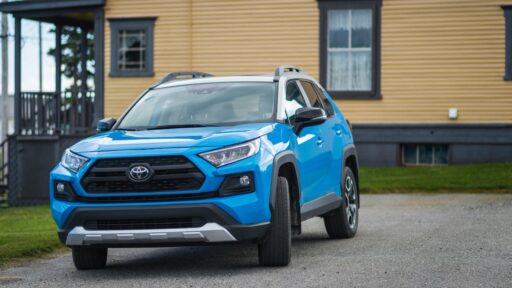
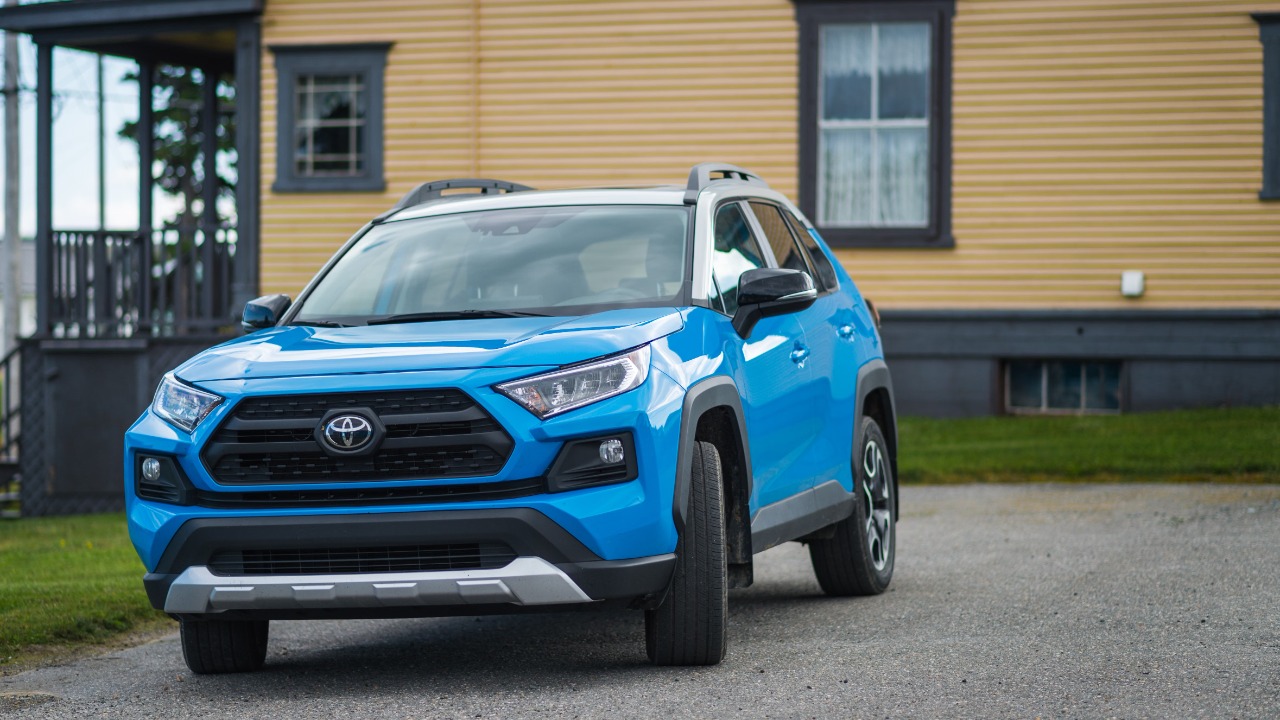
Styling follows a familiar two-box profile but with crisper surfacing and a more upright front end that visually links the RAV4 to Toyota’s larger SUVs. The grille has been slimmed and framed by thinner LED headlights, while the rear gains broader tail lamps and a cleaner tailgate design. According to an overview of the redesigned hybrid, Toyota also reshaped the side glass and roofline to improve outward visibility without sacrificing the slightly rugged stance that has defined recent RAV4 generations.
Inside, the dashboard layout has been simplified, with a wide central touchscreen perched above physical climate controls and a more substantial center console. Materials are upgraded in high-volume trims, with soft-touch surfaces on key touchpoints and more consistent panel fit. A digital instrument cluster and larger infotainment display are available, and Toyota’s latest driver-assistance suite brings updated lane-keeping and adaptive cruise features across much of the lineup.
The headline change sits under the hood. Every 2026 RAV4 uses a hybrid system that pairs a gasoline engine with one or more electric motors, and in some configurations, a traction battery large enough for plug-in operation. The standard hybrid targets a balance of power and efficiency that keeps acceleration competitive with traditional compact SUVs while cutting fuel consumption. The plug-in version, a successor to the previous RAV4 Prime, offers stronger performance and the ability to drive on electricity alone for daily commuting, as highlighted in a first drive of the 2026 plug-in.
All-wheel drive remains central to the RAV4 formula. Hybrid models use an electric motor on the rear axle to provide on-demand traction without a traditional driveshaft, while plug-in variants build on that layout with more power and additional drive modes for snow and light off-road use. The result is a lineup that keeps the crossover’s utility credentials intact while shifting the powertrain mix decisively toward electrification.
Why Toyota’s all-hybrid RAV4 strategy matters in 2026
Moving a top-selling crossover to hybrid-only power is a significant statement about where Toyota sees the market heading. The company has long leaned on hybrids as a bridge between conventional engines and full battery-electric vehicles. By making hybrid tech standard on such a high-volume model, Toyota is effectively turning that bridge into the main road for many buyers.
Coverage of the full redesign notes that Toyota is not treating the hybrid system as an eco-upgrade but as the default choice, with no separate gasoline-only alternative. For shoppers, that reframes efficiency from a niche concern into a baseline expectation. Instead of asking whether a hybrid is worth the extra cost, buyers now compare different levels of electrification within the same RAV4 family.
The shift also has implications for emissions and fuel use. Hybrids typically deliver large gains in city driving, where stop-and-go conditions allow the electric motor to shoulder more of the work. By putting that technology into a mainstream family SUV that often lives in suburban traffic, Toyota is targeting one of the most common real-world use cases. Analysts who have driven early examples of the new hybrid lineup report that the powertrains feel seamless enough that many owners may rarely think about what is happening under the hood, which is exactly the point.
Pricing also shapes the impact. Toyota’s Canadian division has announced that the Canadian-built RAV4 will be offered at suggested prices designed to keep the hybrid within reach of typical compact SUV buyers, rather than positioning it as a luxury step up. In the United States, early guidance on starting prices for the hybrid suggests only modest increases compared with outgoing gasoline models, a strategy that could accelerate adoption by minimizing sticker shock.
For the broader industry, the RAV4’s shift adds pressure on rivals that still treat hybrids as optional extras. Compact SUVs from Honda, Nissan, Ford, and others already offer electrified versions, but few have committed to removing pure internal combustion from the lineup. If Toyota succeeds in maintaining or growing RAV4 sales with a hybrid-only range, competitors may need to respond with similar moves or risk looking dated in showrooms.
The decision also dovetails with Toyota’s manufacturing strategy. Building the RAV4 hybrid in Canada for North American markets supports local jobs while aligning production with regional demand for crossovers. As the company balances investments in battery-electric models with ongoing hybrid development, the RAV4 becomes a linchpin in its plan to reduce fleet emissions without abandoning customers who are not ready to plug in every night.
What the 2026 RAV4 signals for Toyota’s next steps
The all-hybrid RAV4 is more than a single model update. It previews how Toyota is likely to handle other high-volume vehicles over the next product cycle. If the strategy works here, the formula of standard hybrid power with optional plug-in capability could spread to other crossovers and even some sedans.
Analysts tracking Toyota’s electrification roadmap point to the RAV4 as a bridge between the company’s established hybrid portfolio and its growing slate of battery-electric vehicles. Insights from future product reports suggest that Toyota sees hybrids and plug-in hybrids as long-term parts of the mix, not just temporary stopgaps. The 2026 RAV4’s packaging, with space reserved for larger batteries and more powerful motors in plug-in trims, reflects that thinking.
For buyers, the next few years are likely to bring incremental software and hardware updates rather than dramatic redesigns. Over-the-air updates to infotainment and driver-assistance systems can keep the RAV4’s technology current, while running changes to battery chemistry or motor efficiency may quietly improve range and performance. Reviews that focus on the value equation already highlight how Toyota is packaging features like larger screens, upgraded audio, and advanced safety tech in trims that remain accessible to mainstream shoppers.
The plug-in variant has its own trajectory. Early drives of the all-hybrid lineup describe the plug-in as the performance flagship, with stronger acceleration and more sophisticated all-wheel-drive control. As charging infrastructure expands and more households gain access to home charging, that model could become the default choice for drivers who want electric commuting without abandoning the security of a gasoline backup for long trips.
At the same time, the standard hybrid trims will likely carry the sales volume. The 2026 RAV4’s mix of improved ride quality, quieter operation, and better fuel economy positions it as a practical upgrade for owners of older compact SUVs that feel dated in both comfort and efficiency. Evaluations of the new hybrid powertrain emphasize how little adjustment is required from drivers used to traditional automatics, which reduces friction in the purchase decision.
If the market responds as Toyota hopes, the RAV4’s all-hybrid turn will look less like a bold experiment and more like an early glimpse of the new normal. A family crossover that simply arrives as a hybrid, without fanfare or sacrifice, suggests a future in which electrified drivetrains are no longer a specialty feature but the standard starting point for everyday vehicles.